
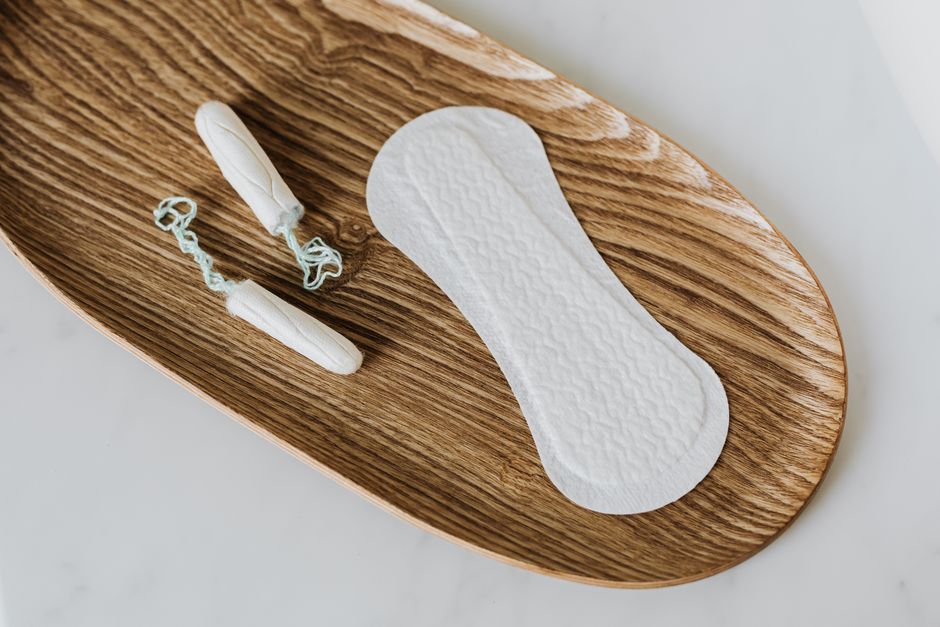
No, you should not flush tampons. Flushing tampons causes serious and expensive plumbing problems, harms the environment, and creates public health risks. Tampons do not break down in water like toilet paper does. They swell, clog pipes, and cause sewage backups in your home and at wastewater treatment plants. The only safe way to dispose of a tampon is to wrap it and throw it in the trash.
What Actually Happens When You Flush a Tampon?
Tampons are designed to absorb liquid and hold their shape. That is what makes them work inside your body. When you flush one, it does not dissolve or break apart. It travels through your home’s pipes still intact.
As the tampon moves through the plumbing, it absorbs more water and swells. It can get stuck at bends in the pipe or where multiple pipes join together. Once stuck, it acts like a net. Other debris — hair, toilet paper, grease — catches on it. Over time this creates a solid blockage that requires a plumber to remove.
Municipal wastewater systems have screens and pumps designed to handle human waste and toilet paper only. Tampons clog these systems regularly. The EPA estimates that municipalities in the United States spend hundreds of millions of dollars each year clearing sewer blockages caused by products like tampons and wipes.
What Does Research on Flushing Tampons Show?
Studies on this topic are clear and consistent. A 2019 study published in the Journal of the American Water Resources Association found that personal hygiene products, including tampons, are a leading cause of sewer blockages in residential areas. The study looked at over 36,000 sewer blockages in the United States and found that non-flushable items caused about half of them.
Another study by the Water Environment Federation tested how tampons break down in water. After 24 hours of continuous agitation in water, tampons retained nearly all of their original strength and shape. Toilet paper, in comparison, begins to break down within minutes. The fibers in tampons are compressed and bonded differently than toilet paper fibers. They do not separate in water.
The “flushable” label on some tampon packaging is misleading. The Federal Trade Commission has not set a legal standard for what “flushable” means. No major plumbing or wastewater organization in the United States considers tampons flushable. The National Association of Clean Water Agencies states explicitly that no tampons should be flushed, even those labeled as flushable.
| Item | Breaks Down in Water? | Safe to Flush? |
|---|---|---|
| Toilet paper | Yes, within minutes | Yes |
| Tampons | No, retains shape for 24+ hours | No |
| Facial tissues | Slowly, but can clog | No |
| Wet wipes | No, even “flushable” ones | No |
What Are the Real Costs of Flushing Tampons?
The cost is not just environmental — it hits your wallet directly. A single clogged toilet or sewer line caused by a tampon can cost between $150 and $500 to repair if a plumber is needed. If the blockage reaches the main sewer line shared with neighbors, the cost can be split among multiple households or fall on the municipality.
Insurance rarely covers sewer line repairs caused by flushing non-flushable items. Homeowner policies typically cover sudden damage from things like tree roots or pipe collapse, not gradual blockages from flushed products. You pay the full cost out of pocket.
On a larger scale, wastewater treatment plants spend millions of dollars each year on equipment repairs caused by tampons. Pumps get jammed, screens tear, and motors burn out. These costs eventually show up in higher water bills for everyone in the community.





How Should You Dispose of Tampons Instead?
The proper method is simple. Wrap the used tampon in toilet paper or the wrapper from the new tampon. Throw it in the trash. That is it.
If you are concerned about odor or discretion, small disposal bags are available at drugstores and online. Some people use small lidded trash cans in the bathroom. Diaper pails also work well for tampon disposal and contain odors completely.
Public restrooms often have small metal disposal bins inside toilet stalls. These are specifically for menstrual products. Use them. If a public restroom does not have one, wrap the tampon and put it in the main trash can. Never flush it just because no disposal bin is available.
Common Misconceptions About Flushing Tampons
Misconception: Tampons are made of cotton so they are biodegradable and safe to flush. Cotton is biodegradable in compost or soil over months. In a closed plumbing system or a wastewater treatment plant, a tampon does not have the conditions needed to break down quickly. It stays intact long enough to cause clogs.
Misconception: If it goes down the toilet, it is gone. It is not gone. It is stuck somewhere in the pipes. You may not notice the problem immediately, but the tampon is still there collecting debris. The clog may take weeks or months to fully form, then cause a sudden backup.
Misconception: Flushable wipes and tampons are the same thing. They are different products but cause the same problem. Neither breaks down in water. Both should go in the trash. The term “flushable” on wipes is not regulated, and independent testing by Consumer Reports found that most flushable wipes do not disintegrate even after 30 minutes in water.
Misconception: Flushing one tampon occasionally is fine. One tampon can cause a clog depending on your plumbing. Older homes with cast iron pipes have rough interiors where tampons catch easily. Even in modern PVC pipes, a single tampon can lodge at a joint and start a blockage. There is no safe amount to flush.
What About Tampons Labeled as Flushable?
Some tampon brands have marketed themselves as flushable. The evidence does not support these claims. Independent testing by groups like Consumer Reports and the Water Environment Federation has shown that these tampons do not break down any faster than standard tampons.
The term “flushable” on tampon packaging is a marketing choice, not a verified fact. No government agency in the United States requires testing to prove a product is safe to flush before putting that label on the box. The FTC has taken action against companies that make false flushable claims for wipes, but similar enforcement for tampons has been minimal.
If you see “flushable” on a tampon box, treat it the same as any other tampon. Wrap it and throw it away. The label does not change the physics of how the product behaves in water.
Frequently Asked Questions
Can one tampon really clog a toilet?
Yes, one tampon can cause a clog, especially in older plumbing or pipes with narrow bends. It may not clog immediately but can start a blockage that grows over time.
Are there any tampons that are actually safe to flush?
No. No tampon on the market breaks down quickly enough to be safe for flushing. The “flushable” label on some brands is not backed by independent testing.
What should I do if I already flushed a tampon and the toilet is slow?
Stop flushing. Call a plumber if the toilet does not drain. Do not use chemical drain cleaners as they do not dissolve tampons and can damage pipes.
Is it better for the environment to flush or throw away tampons?
Throwing tampons in the trash is better for the environment. Flushing sends them into waterways and oceans where they pollute ecosystems and harm wildlife.
