

Yes, you can put hot food in the fridge. It is safe to do so. The old rule about waiting for food to cool down first is mostly outdated advice. Modern refrigerators are strong enough to handle hot food without harming the appliance or spoiling other items. The real risk is leaving food out too long at room temperature, not putting it in the fridge while warm.
Why Do People Think You Cannot Store Hot Food in the Fridge?
This belief comes from two main concerns. First, people worried that hot food would raise the temperature inside the fridge and spoil everything else. Second, they thought it would damage the refrigerator by making the compressor work too hard.
Modern refrigerators are built differently than those from 30 years ago. The CDC reports that your fridge should stay at or below 40°F (4°C). A good fridge will recover its temperature quickly even after you add a warm pot of soup. The compressor kicks on and cools things back down. It uses a bit more electricity in that moment, but it will not break the machine.
The bigger danger is the “danger zone” for food. Bacteria grow fastest between 40°F and 140°F. The USDA states that food should not sit in this temperature range for more than two hours. If the room is above 90°F, that window drops to one hour. Putting hot food in the fridge immediately gets it out of that danger zone faster.
What Does Research on Storing Hot Food in the Fridge Show?
Studies on food safety consistently point to one clear fact: time is the enemy, not temperature. A 2017 study published in the Journal of Food Protection found that cooling food quickly reduces the risk of bacterial growth like Staphylococcus aureus and Bacillus cereus. These bacteria cause food poisoning and thrive when food cools too slowly.
Research from the USDA’s Food Safety and Inspection Service backs this up. They recommend dividing large amounts of hot food into smaller, shallow containers before refrigerating. This speeds up cooling. A large pot of chili can take hours to cool on the counter. Split into smaller containers, it cools in under an hour.
The evidence is consistent. There is no clinical evidence that putting hot food in the fridge causes harm to you or your refrigerator. The real health risk comes from the opposite behavior: letting food sit out too long.
Some people report that hot food can slightly raise the temperature of nearby items in the fridge. This is true for a few minutes. But the risk is minimal if you space things out. Do not pack the fridge full. Leave some air circulation room.
How Should You Store Hot Food in the Fridge Safely?
There are practical steps that make a real difference. These are not complicated, but they matter.
- Divide large portions into shallow containers. A 2-inch deep container cools much faster than a 6-inch deep pot.
- Leave the lid slightly cracked for the first hour. This lets steam escape. Once the food has cooled a bit, seal the lid fully.
- Do not stack containers while they are still warm. Stacking traps heat and slows cooling. Give each container its own shelf space.
- Use metal containers if you have them. Metal conducts heat better than glass or plastic. Food cools faster in a metal pan.
- Stir the food once or twice during the first hour. This redistributes heat and speeds up cooling.
These steps are not mandatory for safety, but they help. The main goal is to get the food below 40°F as quickly as possible. Any method that achieves that is fine.
A common concern is that putting hot food in the fridge will make other items spoil. The American Society for Microbiology notes that a properly functioning fridge will not stay warm long enough for bacteria to grow on nearby foods. The temperature spike is brief and localized.



What Are the Risks of Storing Hot Food in the Fridge?
The risks are small but worth knowing. They are not the dramatic warnings you see in viral social media posts.
One real risk is that very large amounts of hot food can raise the fridge temperature for a longer period. If you put a 5-gallon pot of steaming stew into a small fridge, the compressor may struggle. The fridge might stay above 40°F for an hour or more. That is long enough for bacteria to multiply in other foods.
The solution is simple. Break large batches into smaller portions. If you are cooking for a crowd, use multiple shallow containers. Or cool the food on the counter for 30 minutes first, then refrigerate. Just do not leave it out for more than two hours total.
Another risk is thermal shock to glass containers. Putting a hot glass dish directly into a cold fridge can cause it to crack. Let it cool on the counter for 10-15 minutes first, or use metal or plastic containers rated for temperature changes.
There is no evidence that hot food damages modern refrigerator compressors. This was a concern with older models that had less efficient cooling systems. Today’s refrigerators are designed to handle this. The compressor will run longer, but that is normal operation.
Can You Store Hot Food in the Fridge Without Ruining Its Taste?
Texture and taste can change when food cools quickly. This is not a safety issue, but it matters for quality. Rapid cooling can make some foods watery or change their consistency.
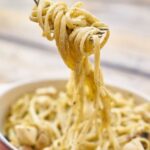
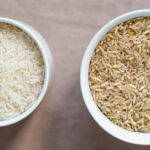
Foods with high starch content, like rice or pasta, can become gummy when refrigerated hot. The starch molecules recrystallize differently during fast cooling. This is the same process that makes leftover rice hard. Letting these foods cool on the counter for 30 minutes before refrigerating can help preserve texture.
Fried foods lose their crunch when refrigerated at any temperature. The moisture in the fridge condenses on the surface. This is unavoidable. Reheating in an oven or air fryer helps restore some crispness.
Soups, stews, and sauces generally taste fine after being refrigerated hot. The flavors may even meld better overnight. The main issue is if the food was not covered properly and absorbs odors from other items in the fridge. Always use airtight lids.
A practical tip: if you plan to eat the food within two days, you can cool it on the counter for up to an hour before refrigerating. This gives you better texture without crossing the safety threshold. For longer storage, refrigerate sooner.
Common Misconceptions About Storing Hot Food in the Fridge
There are several myths that keep circulating online. Some are harmless. Others lead people to make unsafe choices.
Myth: Hot food will spoil the milk and eggs in your fridge.
This is widely claimed, but strong evidence is limited. A brief temperature spike near the hot container will not warm the entire fridge. The milk on the other shelf stays cold. Only items directly next to the hot container might warm slightly, and even then, the effect is temporary.
Myth: You must let food cool to room temperature before refrigerating.
This is outdated advice. The USDA explicitly says you do not need to wait. Food should not sit at room temperature for more than two hours. If you wait for a large pot to cool, you might exceed that limit.
Myth: Putting hot food in the fridge will make your refrigerator work harder and break sooner.
As of 2026, there is no clinical evidence that this causes damage. Refrigerators are designed to run in cycles. A longer cycle now and then is not harmful. If your fridge is old or poorly maintained, the risk is slightly higher, but still very low.
Myth: Hot food will cause condensation that leads to mold.
Condensation happens when warm moisture hits cold air. It is temporary. Wipe the inside of the fridge if you see water droplets. Mold requires standing moisture over time, not brief condensation.
Frequently Asked Questions
Can I put hot soup directly in the fridge?
Yes, you can put hot soup directly in the fridge. Divide it into shallow containers first so it cools faster and does not raise the fridge temperature too much.
How long should hot food cool before refrigerating?
You do not need to wait longer than 30 minutes. The USDA says food should not sit out for more than two hours total, so refrigerate as soon as it is no longer steaming.
Does putting hot food in the fridge damage the compressor?
No, modern refrigerators handle this without damage. The compressor runs longer but this is normal operation and will not shorten the lifespan of your appliance.
Can hot food cause other items in the fridge to spoil?
The risk is very small if you use shallow containers and leave space for air circulation. The temperature spike is brief and localized.
