
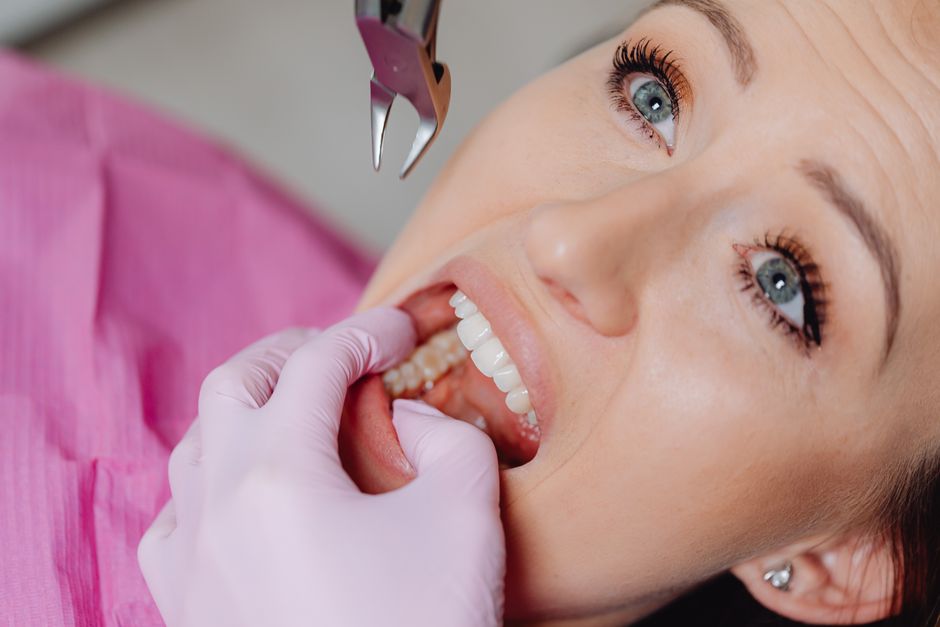
Pulling your own tooth at home is risky, painful, and can lead to serious infections or permanent damage. Dentists strongly advise against it because the chances of doing it safely are extremely low. While the idea of saving money and avoiding a dental visit is tempting, the real costs of a DIY extraction often far outweigh any short-term savings.
What Actually Happens When You Try to Pull Your Own Tooth?
When a dentist removes a tooth, they use specific tools and techniques to loosen it safely. They apply controlled pressure to stretch the ligament holding the tooth in place. At home, you lack these tools and the training to use them.
Most people grab the tooth with pliers, fingers, or string. This grip is rarely correct. You end up crushing the tooth instead of pulling it. The tooth may break, leaving sharp roots embedded in your gum. Those roots can cause pain and infection for weeks or months.
Dental professionals also numb the area thoroughly before extraction. Without numbing, the pain from pulling is intense. The body’s natural response is to tense up and fight the pull, making the process harder and more dangerous.
What Are the Real Risks of a DIY Tooth Extraction?
Infection is the most common serious risk. Your mouth is full of bacteria. When you pull a tooth, you create an open wound. Without sterile tools and a clean environment, bacteria enter the socket easily. The CDC reports that dental infections can spread to the jaw, neck, or even the bloodstream in severe cases.
Another major risk is dry socket. This happens when the blood clot that forms after extraction gets dislodged too early. The exposed bone and nerves cause excruciating pain. Dry socket requires a dentist to treat it with medicated packing. You cannot fix it at home.
Nerve damage is also possible. The roots of lower molars sit close to the inferior alveolar nerve. Pulling incorrectly can numb your lip, chin, or tongue permanently. This is not a rare complication in DIY attempts.
Heavy bleeding that won’t stop is another danger. Dentists use gauze and pressure techniques to control bleeding. At home, you may not have the right materials or know how long to apply pressure. Uncontrolled bleeding can lead to emergency room visits.
How Do Dentists Remove Teeth Safely?
A dentist starts with a thorough exam and X-ray. They see the shape and angle of the roots. This tells them if the tooth is straightforward to remove or if it needs sectioning into pieces. You cannot see below the gum line at home.
The dentist then applies a local anesthetic. They wait several minutes for it to take full effect. This eliminates pain during the procedure. Without this step, the pain alone can cause you to jerk or move unexpectedly, increasing the chance of injury.
Using dental elevators, the dentist gently loosens the tooth from its socket. They rock it back and forth to stretch the periodontal ligament. This takes patience and skill. When the tooth is loose enough, they use forceps to remove it in one clean motion.
After removal, the dentist places gauze over the socket and asks you to bite down firmly. They give you clear aftercare instructions. They also prescribe antibiotics or pain relievers if needed. This entire process minimizes risk at every step.
| Factor | Professional Extraction | DIY Extraction |
|---|---|---|
| Pain control | Local anesthetic, completely numb | No numbing or over-the-counter gels only |
| Infection risk | Sterile tools and environment | Non-sterile tools, high bacteria exposure |
| Root removal | Full root removal confirmed by X-ray | Broken roots left behind common |
| Bleeding control | Gauze, pressure, sutures if needed | Limited materials, no sutures |
| Aftercare guidance | Detailed written instructions | No professional follow-up |





When Is Pulling Your Own Tooth Ever Acceptable?
There is almost no situation where a dentist would recommend pulling your own tooth. The only exception some people discuss is a baby tooth that is already extremely loose. A child’s baby tooth with no root left may come out safely with gentle wiggling. Even then, a parent should supervise and ensure the child does not swallow it.
For permanent teeth, the answer is never. Even teeth that appear loose due to gum disease have roots that extend deep into the jawbone. The visible looseness does not mean the tooth is ready to fall out. Pulling it can damage the surrounding bone and gum tissue.
Some people consider pulling a tooth because they cannot afford a dentist. This is understandable but dangerous. Dental schools, community health centers, and some nonprofit organizations offer sliding-scale fees or free extraction days. These options are safer than doing it yourself.
Research published in the Journal of the American Dental Association found that patients who attempted DIY extractions were significantly more likely to end up in the emergency room. The cost of an ER visit for a dental infection or uncontrolled bleeding is almost always higher than a simple extraction at a dentist’s office.
What Should You Do Instead of Pulling Your Own Tooth?
If you have a tooth that hurts or feels loose, see a dentist as soon as possible. Many dental issues that seem urgent can be treated with a filling, root canal, or antibiotic. Extraction is often the last resort, not the first option.
If the tooth truly needs to come out, ask the dentist about payment plans. Many offices offer financing options. CareCredit and other medical credit cards are also available for dental procedures. Some dentists offer discounts for cash payments.
For severe pain while waiting for an appointment, try these temporary measures:
- Take over-the-counter ibuprofen or acetaminophen as directed on the label
- Rinse your mouth gently with warm salt water several times a day
- Apply a cold pack to the outside of your cheek for 15 minutes at a time
- Avoid chewing on the side of the painful tooth
- Do not place aspirin directly on the gum — it can cause chemical burns
These steps manage symptoms but do not fix the underlying problem. Only a dentist can determine the correct treatment. Delaying professional care usually makes the condition worse and more expensive to treat later.
Common Misconceptions About Pulling Your Own Tooth
One widespread myth is that you can “wiggle it out” over a few days with your fingers. This does not work for permanent teeth. The root is anchored firmly in bone. Wiggling only inflames the gum tissue and makes the area more painful.
Another myth is that tying a string to a doorknob and slamming the door is effective. This method from old movies is dangerous. It can tear the gum, break the jaw, or pull out the wrong tooth. It also does not numb the area, so the pain is extreme.
Some people believe that if the tooth is already loose from gum disease, it will come out easily and safely. Gum disease weakens the bone around the tooth, but the tooth still has fibrous attachments. Pulling it can leave fragments behind and worsen the gum infection.
A final misconception is that you can use over-the-counter numbing gels to make the process painless. These gels only numb the surface of the gum, not the deeper nerve tissue. The pain of pulling a tooth comes from the ligament and bone, not just the gum surface.
Frequently Asked Questions
Can you pull your own tooth with pliers?
No. Pliers are not designed for dental work and can crush the tooth or break the jaw. The risk of infection and nerve damage is very high.
What happens if you leave a broken tooth root in your gum?
A broken root left in the gum can cause infection, pain, and abscess formation. A dentist must remove it surgically to prevent further complications.
Is it safe to pull a loose tooth at home?
Only for baby teeth that are already very loose and coming out naturally. Permanent teeth should never be pulled at home even if they feel loose.
How much does an emergency room visit cost for a dental problem?
An ER visit for a dental infection or bleeding typically costs between $500 and $2,000 depending on your insurance and location. A simple extraction at a dentist office often costs less.
