
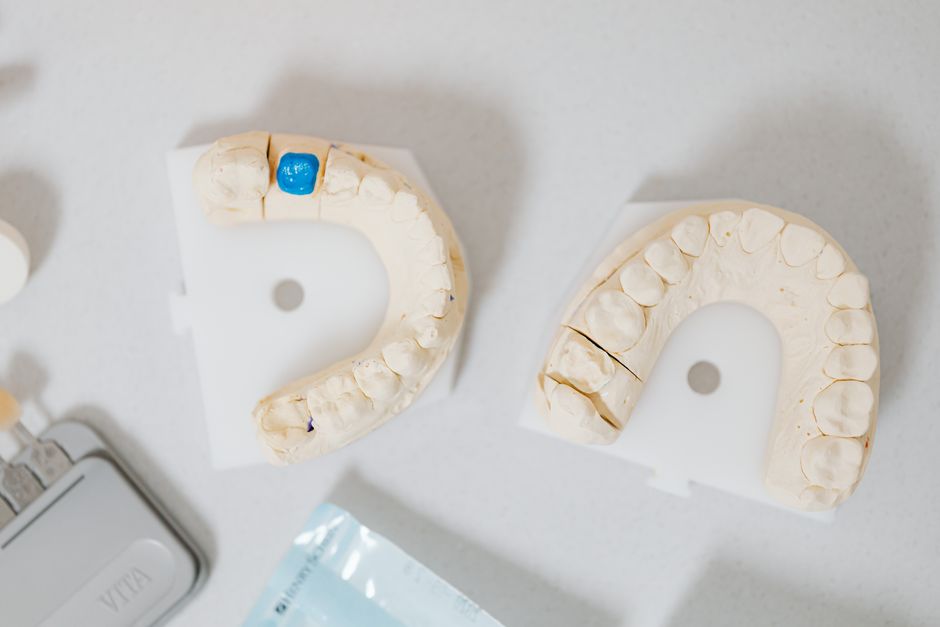
A dental crown is a custom-made cap that fits over a damaged tooth to restore its shape, size, strength, and appearance. Think of it like a snug helmet for your tooth. The crown covers the entire visible part of the tooth above the gum line. Dentists use crowns to protect weak teeth, hold a dental bridge in place, or cover a tooth after a root canal. They are not the same as a filling, which only fills a small cavity. A crown surrounds the whole tooth.
Why Would Someone Need A Crown On A Tooth?
Teeth get damaged in many ways. A large cavity can eat away so much tooth structure that a filling cannot hold. A crack or chip can weaken the tooth so it might break. After a root canal, the tooth becomes more brittle and needs protection. Crowns also cover dental implants and anchor dental bridges.
The most common reason is a tooth that has had a root canal. Research from the American Association of Endodontists shows that crowned teeth after root canals have significantly higher long-term survival rates than teeth left uncrowned. The tooth loses its blood supply and becomes drier and more fragile. Without a crown, it can fracture under normal chewing pressure.
Another common reason is a cracked tooth syndrome. These cracks are often invisible on X-rays but cause sharp pain when biting. A crown holds the tooth together and prevents the crack from spreading deeper. Some people also get crowns for cosmetic reasons — to cover a severely discolored or misshapen tooth.
What Is A Crown On A Tooth Made Of?
Dental crowns come in several materials. Each has strengths and weaknesses. Your dentist will recommend one based on the tooth’s location, your bite strength, and your budget.
Porcelain-fused-to-metal (PFM) crowns have been the standard for decades. They have a metal inner shell covered with porcelain. They look natural and are strong. The downside is that over time the gum line may recede and expose a dark metal line. They also wear down opposing teeth slightly more than other materials.
All-ceramic or all-porcelain crowns are the most natural looking. They are popular for front teeth. Materials like zirconia and lithium disilicate are very strong. Zirconia is especially tough and works well for molars. Research published in the Journal of Prosthetic Dentistry found that zirconia crowns have a five-year survival rate above 95 percent for posterior teeth.
Metal crowns are made from gold, platinum, or base metal alloys. They are incredibly strong and wear down very little. They also cause minimal wear to opposing teeth. The main drawback is the color — they are not natural-looking. Dentists often use them for molars that are not visible.
Resin crowns are the least expensive option. They look decent but wear down faster and are more prone to fracture. Dentists typically use them as temporary crowns while a permanent one is being made.
| Material | Best For | Strength | Lifespan |
|---|---|---|---|
| Porcelain-fused-to-metal | Front and back teeth | High | 10-15 years |
| All-ceramic (zirconia) | Molars, high bite force | Very high | 15+ years |
| All-ceramic (lithium disilicate) | Front and premolars | High | 10-15 years |
| Metal (gold alloy) | Back molars | Extremely high | 20+ years |
| Resin | Temporary only | Low | 1-5 years |
What Is The Process Of Getting A Crown On A Tooth?
The procedure usually takes two dental visits. Some offices now have same-day technology, but the traditional method is still common.
At the first visit, your dentist will numb the tooth and surrounding gum. They shape the tooth by removing a thin layer of enamel — about 1.5 to 2 millimeters — from all sides. This makes room for the crown to fit. If the tooth is very damaged, they may build it up with filling material first. Then they take an impression of the prepared tooth. This can be done with a putty-like material or a digital scanner. The impression goes to a dental lab. You get a temporary crown made of acrylic or resin to wear for two to three weeks.
At the second visit, the dentist removes the temporary crown. They check the fit and color of the permanent crown. They adjust it if needed. Then they cement it into place with dental adhesive. A curing light hardens the cement. The dentist checks your bite and makes final adjustments.
Same-day crowns use computer-aided design and manufacturing (CAD/CAM) technology. The dentist scans your tooth, designs the crown on a screen, and mills it from a ceramic block in the office. The whole process takes about two hours. Studies show same-day crowns have similar success rates to lab-made crowns.





How Long Does A Crown On A Tooth Last?
With good care, a dental crown can last between 10 and 20 years. The material matters. Gold crowns often last the longest. All-ceramic crowns can also last well over a decade. But lifespan depends more on your oral hygiene than the material.
The crown itself does not decay. But the tooth underneath it can still get cavities at the margin where the crown meets the gum. Bacteria can seep in if that seal breaks down. This is the most common reason crowns fail. The American Dental Association reports that recurrent decay at the crown margin is a leading cause of crown replacement.
Other reasons crowns fail include:
- Fracture of the crown material
- Loose cement seal
- Gum disease that weakens supporting bone
- Bruxism (teeth grinding) that wears down or cracks the crown
- Poor fit from the start
You can extend the life of your crown by brushing twice daily, flossing around the crown carefully, and seeing your dentist for regular checkups. Night guards help if you grind your teeth. Avoid chewing ice or hard candies on the crowned tooth.
What Are The Risks And Side Effects Of A Crown On A Tooth?
Getting a crown is a routine procedure, but it has some downsides. The most common immediate side effect is tooth sensitivity to hot and cold. This usually fades within a few weeks as the tooth adjusts. Some people feel gum tenderness around the crowned tooth for a few days.
A poorly fitted crown can cause problems. If the crown is too high, it will hurt when you bite down. This can lead to jaw pain or a cracked tooth. Your dentist should check your bite carefully and adjust the crown. If the crown margin does not seal tightly, food and bacteria get trapped. This leads to bad breath and decay under the crown.
Allergic reactions to crown materials are rare but possible. Some people react to nickel or other metals in metal-based crowns. All-ceramic crowns are a good alternative for people with metal allergies.
There is a small risk of nerve damage if the tooth preparation is too deep. This is more likely in teeth that already have large fillings. In some cases, a root canal may be needed after the crown is placed. The Journal of Endodontics reports that about 3 to 5 percent of crowned teeth will require root canal treatment later due to nerve inflammation or infection.
How Much Does A Crown On A Tooth Cost?
The cost of a dental crown varies widely. In the United States, a single crown typically costs between $1,000 and $3,500 without insurance. The price depends on the material, the dentist’s location, and the complexity of the case. Porcelain-fused-to-metal crowns are usually at the lower end. All-ceramic and gold crowns are at the higher end.
Dental insurance usually covers a portion of the cost. Most plans pay 50 percent of the cost for a crown after the deductible. But they often have a yearly maximum — typically $1,500 to $2,000 — and a crown can use up most of that. Check your plan details before scheduling.
Some dentists offer payment plans or third-party financing. Dental schools sometimes offer crowns at reduced cost — often 50 to 70 percent less — because students perform the work under supervision. The quality is generally good, but the process takes longer.
Same-day crowns using CAD/CAM technology may cost slightly more than lab-made crowns. The convenience of a single visit is the trade-off. Discount dental plans, which are not insurance, can also reduce the cost by 15 to 30 percent at participating dentists.
Frequently Asked Questions
Does getting a dental crown hurt?
Your dentist numbs the tooth and gum so you should not feel pain during the procedure. Some sensitivity or soreness after the numbness wears off is normal and usually goes away in a few days.
Can you eat normally with a permanent crown?
Yes, once the crown is cemented and the numbness is gone you can eat normally. Avoid very sticky or hard foods for the first 24 hours to let the cement fully set.
How long after a root canal do you need a crown?
Most dentists recommend getting the crown within two to four weeks after the root canal. Waiting too long increases the risk of the tooth cracking or fracturing.
Can a crown fall off and what do you do?
A crown can come loose if the cement seal breaks or if decay develops underneath. If it falls off, keep the crown and see your dentist as soon as possible. They can often recement it if the tooth is still intact.
