
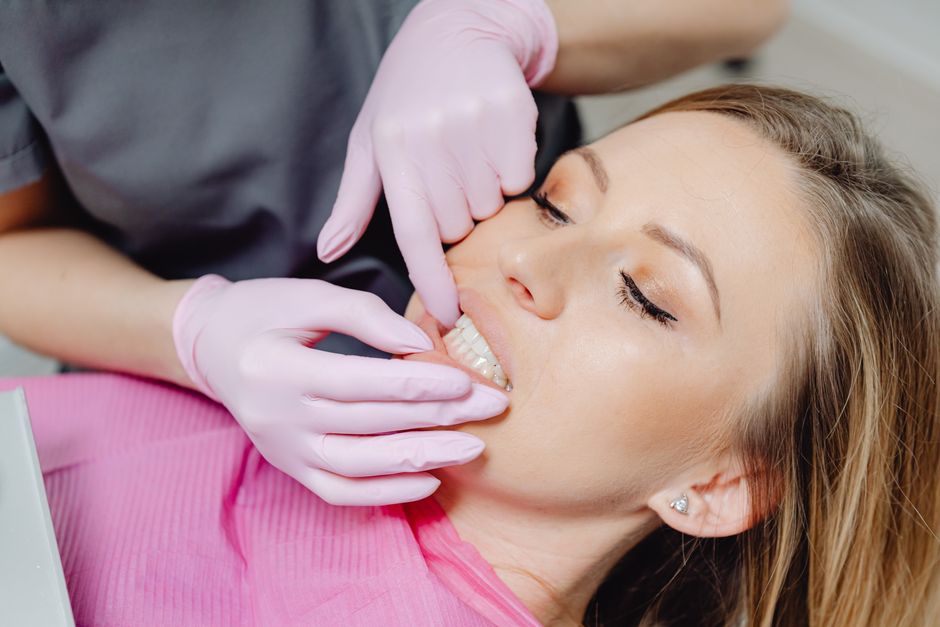
Yes, a chipped tooth can be fixed. Dentists have several reliable ways to repair it, from simple bonding to crowns or veneers. The right choice depends on how much tooth is damaged and where the chip is located.
What causes a chipped tooth?
Teeth chip for many reasons. Biting down on something hard like ice, hard candy, or unpopped popcorn kernels is a common cause. Accidents and falls can also chip a tooth. Some people chip teeth while playing sports without a mouthguard. Grinding your teeth at night puts extra force on teeth and can cause chips over time. Large fillings can weaken a tooth, making it more likely to chip.
Age plays a role too. Older teeth can become more brittle, especially if they have had many fillings or root canals. But anyone can chip a tooth at any age.
Can a chipped tooth be fixed without seeing a dentist?
No. You cannot properly fix a chipped tooth at home. Over-the-counter temporary filling materials exist, but they are only a short-term cover. They do not restore the tooth’s shape or strength. Only a dentist can evaluate the damage, clean the area, and apply a permanent repair. Trying to fix it yourself can lead to infection, further damage, or improper bite alignment.
How do dentists fix a chipped tooth?
The treatment depends on the chip’s size and depth. For small chips that don’t affect the tooth’s nerve, bonding is often used. The dentist applies a tooth-colored resin, shapes it to match your tooth, and hardens it with a special light. This usually takes one visit and works well for front teeth.
For larger chips, a veneer might be a better option. A veneer is a thin shell of porcelain or composite resin that covers the front of the tooth. It requires two visits — one to prepare the tooth and take impressions, and another to bond the veneer in place.
If the chip is large enough to weaken the tooth, a crown may be needed. A crown covers the entire visible part of the tooth and restores its shape, strength, and appearance. Crowns typically need two visits and can last many years with good care.
For a deep chip that exposes the inner pulp of the tooth, you may need a root canal first. The dentist removes the damaged pulp, cleans the inside of the tooth, and seals it. Then a crown is placed over the tooth to protect it.



Is a chipped tooth an emergency?
It depends. If the chip is tiny and causes no pain, you can usually wait a few days for a regular appointment. But if the chip is large, causes sharp pain, or leaves a jagged edge that cuts your tongue or cheek, you should see a dentist as soon as possible.
Pain when drinking something hot or cold can mean the chip has reached the inner layer of the tooth, called dentin. Pain that lasts for more than a few seconds after the stimulus is removed may indicate nerve involvement. In that case, don’t delay — the tooth may need more urgent treatment to prevent infection or further damage.
Can a chipped tooth be fixed at home temporarily?
You can take steps to protect the tooth until you see a dentist. Rinse your mouth with warm water. If there is bleeding, apply gentle pressure with a clean cloth. You can cover a sharp edge with a piece of sugarless gum or dental wax. Avoid chewing on that side. Over-the-counter pain relievers can help with discomfort. But none of these is a true fix — you still need professional dental care.
What happens if you ignore a chipped tooth?
Leaving a chipped tooth untreated can lead to problems. The chip may get larger over time. Bacteria can enter the crack and cause decay. The inner pulp can become infected, leading to pain, abscess, and even tooth loss. A small chip that could have been fixed with simple bonding might eventually need a root canal and crown. That means more time, more cost, and more discomfort.
If the tooth is chipped due to grinding, the underlying habit continues to stress the tooth and others. A dentist can help with that too, often with a custom night guard.
How much does it cost to fix a chipped tooth?
Cost varies widely based on location, the dentist, and the type of repair. Bonding is usually the least expensive option, often between $100 and $400 per tooth. Veneers cost more, typically $500 to $1,500 per tooth. Crowns range from $800 to $2,500 or more, depending on the material (porcelain, metal, or porcelain-fused-to-metal).
Dental insurance may cover part of the cost, especially if the repair is considered medically necessary rather than cosmetic. Check your plan details. Some dentists offer payment plans or financing.
Can a chipped tooth be fixed permanently?
No dental repair lasts forever. Bonding typically lasts 3 to 10 years before needing touch-up or replacement. Veneers last about 10 to 15 years. Crowns can last 10 to 15 years or longer with good oral hygiene and regular check-ups. How long a repair lasts depends on the size of the original chip, where it is in your mouth, your bite force, and how well you care for your teeth.
Grinding or clenching your teeth can shorten the lifespan of any repair. Wearing a mouthguard at night can help protect both natural teeth and restorations.
How can you prevent chipping a tooth?
Avoid chewing on ice, hard candy, and other very hard foods. Do not use your teeth as tools to open packages, cut tape, or hold objects. Wear a mouthguard during contact sports and at night if you grind your teeth. Keep up with regular dental visits so your dentist can spot weak spots or old fillings that may need attention before they chip.
Good oral hygiene — brushing twice a day, flossing once a day — keeps enamel strong. Acids from plaque bacteria weaken enamel over time, making teeth more prone to chipping. Fluoride toothpaste and sometimes prescription fluoride treatments can help strengthen enamel.
Frequently Asked Questions
Can a chipped tooth be fixed in one visit?
Yes, small chips can often be fixed in one visit with dental bonding. Larger chips requiring a veneer or crown usually need two visits.
Does fixing a chipped tooth hurt?
The procedure itself typically does not hurt because the dentist uses local anesthetic. You may feel some sensitivity afterward, especially with bonding or a crown.
Can a chipped tooth get infected?
Yes, if the chip exposes the inner pulp, bacteria can enter and cause infection. That is why it is important to see a dentist promptly.
What should I do if I chip my tooth?
Rinse your mouth with warm water, stop any bleeding, and see a dentist as soon as possible. Keep any piece of the tooth if you find it — the dentist may be able to reattach it.
