
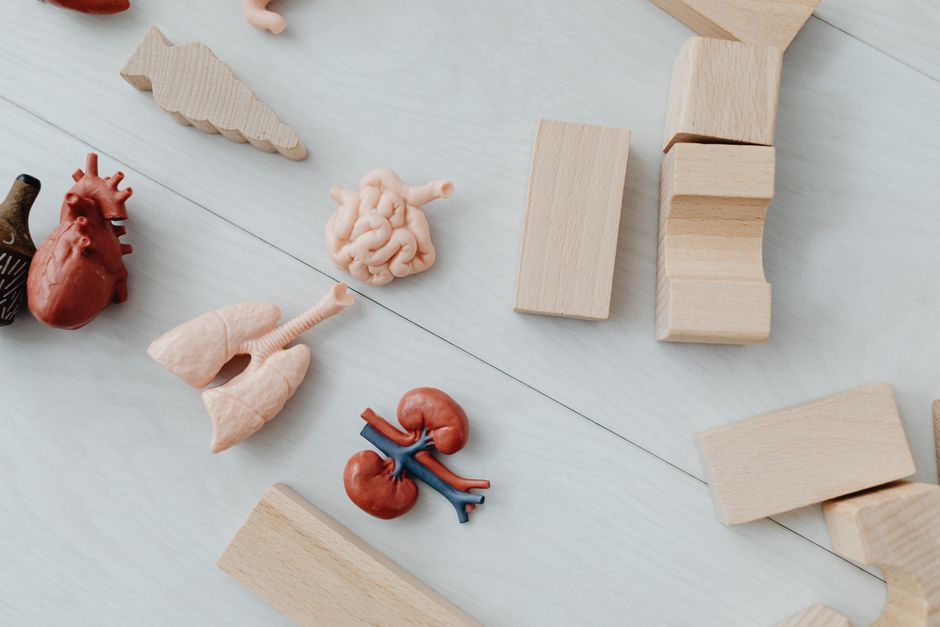
Yes, you can live without functioning kidneys, but only with medical treatment. If both kidneys fail completely, you need either dialysis or a kidney transplant to survive. Without one of these treatments, kidney failure is fatal within days to weeks. This is not a choice between living with or without kidneys — it is a choice between two forms of replacement therapy. The kidneys perform jobs no other organ can do, so when they stop working, something else must take over those tasks.
What Do the Kidneys Actually Do?
The kidneys are fist-sized organs located near the middle of your back, just below the rib cage. Most people have two, one on each side of the spine. Each kidney contains about a million tiny filtering units called nephrons. These nephrons continuously filter your blood, removing waste products and extra fluid.
Your kidneys filter roughly 150 quarts of blood every day. From that, they produce about 1 to 2 quarts of urine. The urine carries away waste products like urea and creatinine — substances your body makes when it breaks down protein and muscle tissue. If these wastes build up in your blood, they become toxic.
Beyond filtering waste, the kidneys do several other essential jobs. They regulate blood pressure by controlling fluid volume and releasing a hormone called renin. They balance electrolytes like sodium, potassium, and calcium. They produce erythropoietin, a hormone that tells your bone marrow to make red blood cells. They also activate vitamin D, which your body needs to absorb calcium and keep bones strong.
When the kidneys fail, all of these functions stop. That is why kidney failure affects so many parts of the body — not just urine production. It is a whole-body problem.
Can You Live With Only One Kidney?
Yes. Many people are born with one kidney, and many others donate a kidney to someone in need. Living with one healthy kidney is generally safe and does not shorten lifespan. The remaining kidney adapts by growing larger and working harder to filter blood.
This process is called compensatory hypertrophy. The single kidney increases its filtering capacity over several months. Most people with one kidney have normal kidney function and no symptoms. They can live full, active lives without special restrictions.
However, having one kidney does mean you have less reserve. If that single kidney becomes damaged by disease, injury, or high blood pressure, you have less kidney function to spare. People with one kidney should have their kidney function checked regularly and protect the remaining kidney by controlling blood pressure, staying hydrated, and avoiding medications that can harm the kidneys.
Certain medications require careful attention. Nonsteroidal anti-inflammatory drugs (NSAIDs) like ibuprofen and naproxen can reduce blood flow to the kidneys. For someone with one kidney, regular use of these drugs carries more risk. Always tell your doctor you have one kidney before starting any new medication.
What Happens When Both Kidneys Fail?
When both kidneys stop working, the condition is called kidney failure or end-stage renal disease. The medical term is end-stage kidney disease (ESKD). At this point, the kidneys have lost about 85 to 90 percent of their function. Without treatment, this is fatal.
The timeline depends on the person. Some people decline within days. Others may survive a few weeks. The exact cause of death is usually a buildup of potassium in the blood, which can cause the heart to stop, or a buildup of fluid in the lungs, which makes breathing impossible. Uremia — the toxic accumulation of waste products — also affects the brain and nervous system.
Symptoms of kidney failure develop gradually as function declines. Early signs include fatigue, swelling in the legs and ankles, shortness of breath, nausea, and loss of appetite. As failure progresses, confusion, seizures, and coma can occur. Many people also develop severe itching and a metallic taste in the mouth.
Kidney failure does not happen overnight for most people. It usually develops over months or years, often from diabetes or high blood pressure. But acute kidney injury can cause sudden failure, sometimes within days, due to severe infection, major blood loss, or toxic drug reactions.





What Are the Treatment Options for Kidney Failure?
Two treatments replace kidney function: dialysis and kidney transplant. Neither cures the underlying condition, but both can keep you alive. Without one of these, kidney failure is fatal.
Dialysis does the filtering work of the kidneys. There are two main types. Hemodialysis uses a machine to filter your blood outside your body. It is typically done at a dialysis center three times per week, with each session lasting about four hours. Peritoneal dialysis uses the lining of your abdomen, called the peritoneum, as a natural filter. A sterile fluid is pumped into your abdomen, where it absorbs waste products, then drained out. Peritoneal dialysis can be done at home, often overnight while you sleep.
Dialysis is life-sustaining but not a perfect replacement. It filters waste and removes fluid, but it does not produce hormones like erythropoietin. People on dialysis often need medications for anemia, bone disease, and blood pressure. They also need to follow strict dietary limits on potassium, phosphorus, sodium, and fluids.
A kidney transplant is the closest thing to a cure. A surgeon places a healthy kidney from a living or deceased donor into your body. The new kidney takes over all the functions of the failed ones. A successful transplant can restore near-normal health and quality of life.
Transplant is not available to everyone. You must be healthy enough to undergo surgery and take lifelong immunosuppressant medications. These drugs prevent your immune system from rejecting the new kidney, but they also increase your risk of infection and certain cancers. Even with a successful transplant, you will need regular follow-up care for the rest of your life.
How Long Can You Live on Dialysis?
Life expectancy on dialysis varies widely. Some people live on dialysis for decades. Others live only a few years. The biggest factors are age, overall health, and the underlying cause of kidney failure.
Statistics show that the average life expectancy for someone starting dialysis is about 5 to 10 years, but this is an average. A healthy 40-year-old with no other major medical conditions may live much longer. An older person with diabetes and heart disease may live considerably less. These numbers reflect large groups of people, not any individual’s outcome.
Dialysis itself carries risks. Infections at the access site, blood pressure drops during treatment, and heart problems are the most serious complications. The mortality rate in the first year of dialysis is highest — many people start dialysis in poor health, and the transition is difficult. Those who survive the first year often stabilize.
Quality of life on dialysis is a real concern. Fatigue, dietary restrictions, and the time commitment of treatment affect daily life. Many people find these challenges manageable. Others struggle significantly. The decision to start dialysis is personal and should involve honest conversations with your healthcare team about your goals and values.
Can You Stop Dialysis Once You Start?
Yes, you can choose to stop dialysis. This is a legal and ethical decision that many people make. Dialysis is a treatment, not a cure. You are never forced to continue treatment you no longer want.
Stopping dialysis is a decision to accept the natural course of kidney failure. Without dialysis, most people survive one to two weeks. The process is generally peaceful when managed with palliative care. Medications can control pain, nausea, and shortness of breath. Many people choose hospice care during this time.
This is a deeply personal decision. Some people stop dialysis because their quality of life has declined. Others stop because they have another serious illness and want to die naturally. Family members and doctors should support the person’s choice, not pressure them either way.
It is important to have these conversations early. If you are on dialysis, talk with your doctor about what to expect if you ever decide to stop. Advance directives and conversations with loved ones can ensure your wishes are respected.
Can You Live Without Any Kidneys at All?
Technically, yes — but only with medical support. Some people have both kidneys surgically removed, usually because of cancer or severe recurrent infections. These people require dialysis immediately after surgery and forever after, unless they receive a transplant.
Living without any kidney tissue means you have absolutely no natural kidney function. Your body cannot compensate. There is no other organ that can filter blood the way kidneys do. Your survival depends entirely on dialysis or a transplant.
This situation is rare. Most people with kidney failure still have some residual kidney function, even if it is very low. Having even 5 to 10 percent of normal function can make dialysis more effective and easier to tolerate. People with no kidneys at all are fully dependent on treatment.
The key point is this: you can survive without kidneys, but you cannot survive without some form of kidney replacement. The choice is not whether to have kidney function — it is how to replace it.
Frequently Asked Questions
Can you live a normal life with one kidney?
Yes, most people with one healthy kidney live normal, full lives with no restrictions. The remaining kidney enlarges and takes over the filtering work of both kidneys.
How long can you survive without dialysis or a transplant?
Without treatment, kidney failure is usually fatal within days to a few weeks. The exact timeline depends on the person’s overall health and how quickly waste products build up.
Is dialysis painful?
Dialysis itself is not painful, but needle insertion for hemodialysis can be uncomfortable. Some people experience muscle cramps, headaches, or low blood pressure during or after treatment.
Can a kidney transplant cure kidney failure?
A kidney transplant does not cure the underlying disease, but it replaces kidney function. A successful transplant can restore near-normal health, though lifelong immunosuppressant medications are required.
