
You can kill some viruses outside the human body, but once a virus is inside your cells, you cannot kill it directly. That single distinction explains almost everything about which remedies work and which do not. Disinfectants destroy viruses on surfaces. Antiviral medications stop viruses from copying themselves. Your immune system clears most viral infections on its own. Antibiotics do nothing to viruses at all.
The word “kill” is where most confusion starts. A virus is not exactly alive in the way a bacterium is. It is a piece of genetic material wrapped in a protein shell. It cannot eat, grow, or reproduce on its own. It has to hijack your cells to make copies of itself. That biology shapes every realistic treatment option.
Can You Kill A Virus Inside Your Body?
No. You cannot directly kill a virus that is already inside your cells without harming the cells themselves. This is the central problem of antiviral medicine. A virus lives inside your own cellular machinery, so anything that destroys the virus quickly can also destroy the cell housing it.
What antiviral drugs actually do is interrupt the viral life cycle. They block specific steps a virus needs to copy itself. Some prevent the virus from attaching to a cell. Others block the enzymes a virus uses to replicate its genetic material. Others stop new virus particles from leaving an infected cell.
This is why antivirals tend to work best when started early. If you stop viral replication before it spreads widely, the infection is easier for your body to clear. Once a virus has infected millions of cells, blocking replication helps less. Timing matters more than the drug’s raw strength.
Different viruses need different drugs. There is no single antiviral that works against all viruses. A drug that helps against influenza does nothing for herpes, and a drug for HIV does nothing for the common cold. Each antiviral targets a specific piece of one virus’s machinery.
What Actually Kills Viruses on Surfaces?
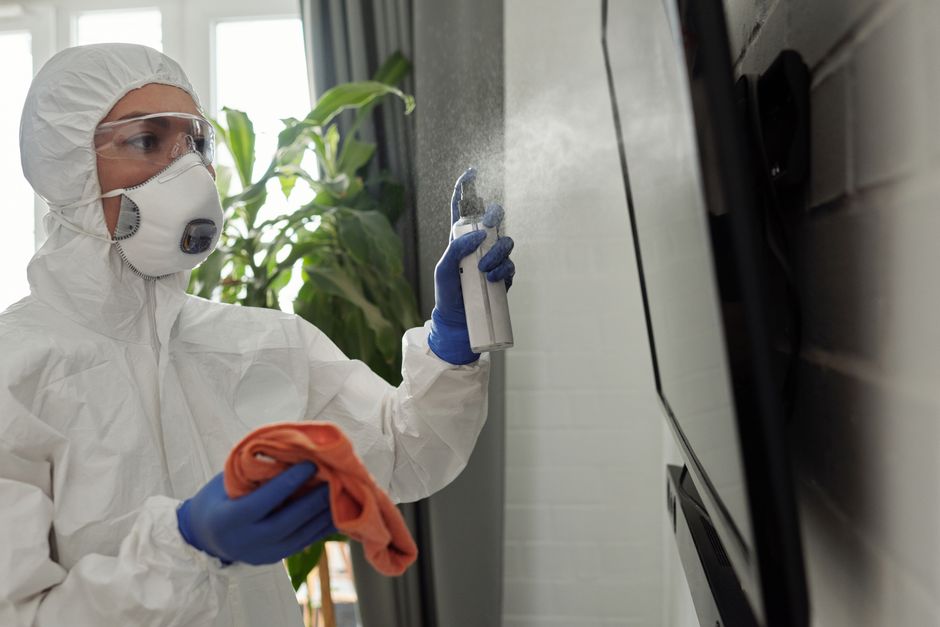
On surfaces, viruses are far more vulnerable. Outside a host cell, a virus is just a protein shell protecting genetic material. Break the shell or damage the genetic material and the virus can no longer infect anyone.
Several common products do this reliably:
- Soap and water — soap molecules pry apart the fatty outer layer that many viruses carry, which disables them. This is why handwashing works so well.
- Alcohol — solutions around 60 to 70 percent alcohol break down viral protein shells and envelopes. Higher concentrations are not automatically better because protein needs some water to denature properly.
- Bleach solutions — properly diluted household bleach destroys viruses on hard surfaces. It must be mixed fresh because it loses strength over time.
- Hydrogen peroxide — damages viral genetic material and protein coats on surfaces.
The word “kills” is a slight stretch here. Viruses are not alive in the usual sense, so disinfectants “inactivate” them rather than kill them. The practical result is the same. An inactivated virus cannot infect you.
One detail people miss: disinfectants work only where they touch. A wiped surface with a missed corner still holds live virus. Contact time also matters. Most disinfectants need to stay wet on the surface for a set period, often listed on the label, before they fully work.
Why Antibiotics Do Not Work Against Viruses
Antibiotics target structures that bacteria have and viruses do not. Bacteria are living cells with their own metabolism, cell walls, and ribosomes. Antibiotics attack those features. Viruses have none of them.
This is not a matter of dose or strength. No antibiotic, at any dose, affects a virus, because there is nothing for it to attach to. Taking antibiotics for a cold or flu does nothing to the infection. It also carries real costs, including side effects and contributing to antibiotic resistance.
Sometimes a doctor prescribes antibiotics during a viral illness because of a secondary bacterial infection, such as bacterial pneumonia following flu. In that case the antibiotic treats the bacteria, not the virus.





Does Your Immune System Kill Viruses?
Yes. For most viral infections, your immune system is what clears the virus, and it usually does so without any medication. This is the part people underestimate.
The immune response happens in stages. Infected cells release signals called interferons that warn neighboring cells and make it harder for the virus to spread. Natural killer cells destroy cells already infected. Later, T cells target infected cells directly, and B cells produce antibodies that neutralize virus particles floating in the body.
This process takes time, which is why viral symptoms often peak before they improve. The delay is not a sign the immune system is failing. It is the normal timeline of mounting a specific response.
Some viruses are cleared completely. Others, such as herpes viruses and HIV, can persist in the body for life by hiding in cells or integrating into your DNA. The immune system can control these viruses but often cannot eliminate them. This is a key reason “curing” a viral infection is much harder than preventing one.
Do Home Remedies Kill Viruses?
Most home remedies do not kill viruses. Some ease symptoms. A few have modest evidence behind them. None replace medical treatment for a serious infection.
Here is an honest look at common ones:
- Vitamin C — evidence does not support it preventing or curing colds in most people. Some studies suggest it may slightly shorten cold duration in people under heavy physical stress, but results are not consistent.
- Zinc lozenges — some studies suggest they may shorten cold duration if started within the first day or two. Evidence is mixed, and high doses can cause nausea and taste changes.
- Echinacea — study results vary widely. No consistent evidence shows it kills viruses or reliably shortens illness.
- Hot fluids and rest — do not kill viruses, but they support comfort and recovery. Rest genuinely helps your immune system work.
- Garlic, honey, and herbal teas — may soothe symptoms. No strong evidence shows they inactivate viruses inside the body.
The pattern is consistent. Things that feel soothing are not the same as things that fight the virus. That gap is where a lot of marketing lives.
What About Colloidal Silver, UV Lamps, and Other Claims?
Several products are marketed as virus killers with no solid evidence behind them. It is worth naming them directly.
Colloidal silver has no established role in treating or preventing viral infections. It can cause a permanent bluish-gray skin discoloration called argyria, and it can interfere with how some medications are absorbed.
UV lamps marketed for internal or body use are not a proven way to fight viruses inside the body and can damage skin and eyes. UV light does inactivate viruses on surfaces and in air under controlled conditions, but that is a different use from treating an infection in a person.
High-dose “immune boosters” are a marketing category, not a medical one. The immune system does not work like a battery you can charge. An overactive immune response can be harmful, which is part of why severe viral infections can be dangerous.
No supplement currently has strong evidence that it kills viruses inside the human body. Some support specific immune functions, but supporting a function is not the same as destroying a virus.
What Actually Works Against Viral Infections?
The tools that work fall into a few clear categories. Each one addresses a different stage of the problem.
| Approach | What it does | Where it works |
|---|---|---|
| Handwashing and disinfectants | Inactivates virus before it enters the body | Surfaces, skin, objects |
| Vaccines | Trains the immune system before exposure | Inside the body, before infection |
| Antiviral drugs | Blocks viral replication | Inside the body, during infection |
| Immune system | Clears infected cells and neutralizes virus | Inside the body |
| Antibiotics | Nothing against viruses | Bacteria only |
Vaccines deserve special mention because they work differently from everything else. They do not kill a virus at all. They teach your immune system to recognize a specific virus so it can respond fast if you are exposed. This is prevention, not treatment, and it is one of the most effective tools medicine has against viral disease.
Antivirals work best for specific viruses when started early. They are not general-purpose. A doctor chooses one based on which virus is likely causing the illness and how long symptoms have been present.
The Bottom Line on Killing Viruses
You can inactivate viruses on surfaces with soap, alcohol, and disinfectants. You cannot kill a virus inside your cells without harming the cells. Antiviral drugs block replication rather than destroy the virus. Your immune system does the actual clearing in most infections.
Anything claiming to kill viruses inside your body deserves hard scrutiny. If a product could reliably destroy viruses inside human cells without harming those cells, it would be a major medical advance, not a supplement on a shelf. That gap between what biology allows and what marketing promises is worth remembering every time you read a label.
Frequently Asked Questions
Can you kill a virus in your body?
No, you cannot directly kill a virus once it is inside your cells without also harming those cells. Antiviral drugs work by blocking the virus from copying itself, and your immune system clears the infection.
Does alcohol kill viruses?
Alcohol solutions around 60 to 70 percent inactivate many viruses on surfaces and skin by breaking down their outer protein shell. It does not treat a virus already inside your body.
Why don’t antibiotics work on viruses?
Antibiotics target structures found only in bacteria, such as cell walls and bacterial ribosomes, which viruses do not have. This means no antibiotic at any dose can affect a virus.
Can vitamin C or zinc kill a virus?
No, neither kills viruses. Some studies suggest zinc lozenges may slightly shorten a cold if started early, but evidence is mixed and vitamin C has not been shown to prevent or cure viral infections in most people.
