
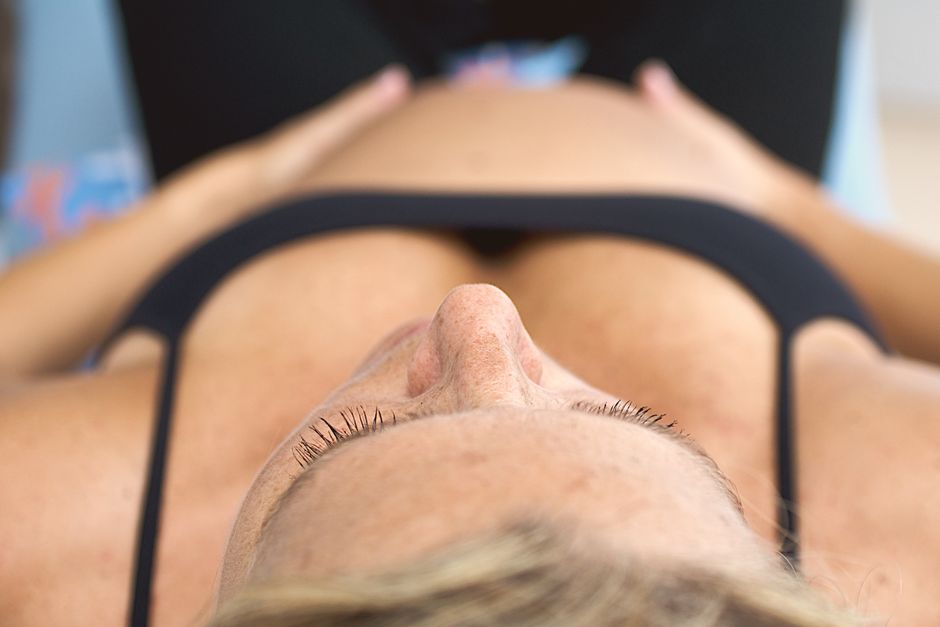
Yes, you can get a Brazilian wax while pregnant. There is no medical rule against it. Pregnancy does not make waxing dangerous in itself, and plenty of women continue their regular waxing routine right through all three trimesters.
That said, pregnancy changes your skin, your sensitivity, and your body in ways that can make the experience different from what you are used to. Knowing what changes is the difference between a routine appointment and an unpleasant surprise.
Is It Safe to Get a Brazilian Wax While Pregnant?
Waxing is a cosmetic procedure, not a medical one. It removes hair by pulling it from the follicle at the root. Nothing about that process reaches the fetus or interferes with pregnancy.
The main safety concerns are skin-related and infection-related, not fetal. Pregnancy increases blood flow to the pelvic area. That extra blood flow can make the skin more sensitive and more reactive. It can also make the area bleed a little more easily if the skin is tugged.
Your immune system also shifts during pregnancy. This is normal and protects the pregnancy, but it can slightly change how your body responds to minor skin irritation or small breaks in the skin. A tiny nick from waxing is not usually a problem, but it is a reason to keep the area clean afterward.
There is one real infection risk worth naming: group B strep and other bacteria that normally live on the skin and in the genital area. Waxing can create small openings in the skin. In rare cases, this has been linked to skin infections. This risk exists whether you are pregnant or not, but pregnancy is a time to be more careful, not less.
If you have a history of cold sores (herpes simplex), tell your waxer. Trauma to the skin can sometimes trigger an outbreak. This is not a reason you cannot wax, but it is information your provider should have.
Why Waxing Feels Different When You Are Pregnant
Pregnancy changes how your skin and hair behave. These changes are hormonal and temporary, but they are real.
Estrogen and progesterone rise significantly during pregnancy. These hormones increase blood flow to the skin and can make it more sensitive to pain. Many women report that waxing hurts more during pregnancy than it did before. This is not in your head.
Hair growth also changes. Some women find hair grows faster and thicker. Others find it grows slower. Both are normal. The hair itself may also be coarser, which can make removal feel more intense.
Skin sensitivity is the biggest practical difference. The skin in the bikini area is already thin and sensitive. Add pregnancy hormones and extra blood flow, and the same wax that felt fine last year can feel much sharper now.
There is also the matter of position. A Brazilian wax requires you to lie on your back with your legs positioned for access. Later in pregnancy, lying flat on your back for more than a few minutes can cause dizziness or nausea. This is called supine hypotensive syndrome. It happens when the weight of the uterus presses on the vena cava, a large vein that returns blood to the heart. It is not dangerous for a short procedure, but it is uncomfortable. Tell your waxer if you feel lightheaded and ask to shift position.
What Changes After the First Trimester?
The first trimester is often when women feel most cautious. Many wait until the second trimester to resume or start waxing. There is no medical requirement to wait. If you feel well and your provider has no concerns, you can wax at any point.
The second trimester is often the most comfortable time for waxing. Nausea usually settles. The belly is not yet large enough to make positioning difficult. Energy levels are often better.
The third trimester brings practical challenges. Lying on your back becomes uncomfortable. The belly makes it harder to position your legs. You may need to lie on your side or use pillows for support. Some waxers are experienced with pregnant clients and will adjust. Others are not. Ask ahead of time.
If you are near your due date, some women choose to stop waxing simply because the area is more sensitive and the appointment is more effort than it is worth. That is a personal choice, not a medical one.





What Should You Tell Your Waxer?
Tell your waxer you are pregnant before the appointment starts. This is not about permission. It is about adjustments.
A waxer who knows you are pregnant can:
- Use a gentler wax if one is available
- Work in smaller sections to reduce pulling
- Let you shift position as needed
- Skip areas that look irritated or broken
- Stop if you feel faint or uncomfortable
You should also tell your waxer if you have any skin conditions, a history of cold sores, or if you are taking any medications that affect the skin. Some blood thinners and steroids can make the skin more fragile.
If you have never had a Brazilian wax before, pregnancy is not the ideal time to start. The first wax is often the most painful. Adding pregnancy sensitivity on top of that can be a lot. If you want to try it, consider a smaller area first or wait until after delivery.
What Are the Alternatives?
If waxing feels too painful or you are not comfortable with it during pregnancy, there are other options. None of them are medically required. This is about comfort and preference.
Shaving is the most common alternative. It is painless but temporary and can cause razor burn or ingrown hairs. Pregnancy does not change those risks.
Trimming with scissors or an electric trimmer is another option. It does not remove hair at the root, but it keeps things tidy and avoids skin irritation.
Depilatory creams dissolve hair with chemicals. Most labels warn against use during pregnancy because the skin in the genital area is more absorbent and more sensitive. There is no strong evidence that these creams cause harm, but there is also no good evidence that they are safe for this specific use. The cautious approach is to avoid them or ask your provider first.
Laser hair removal is generally not recommended during pregnancy. The reason is not that it is proven harmful. It is that there is not enough research on it in pregnancy, and most providers prefer to wait. Hair growth also changes during pregnancy, so results may not last.
Sugaring is a wax-like method that uses a sugar paste. Some women find it less painful than wax because it does not stick to the skin as much. The same pregnancy considerations apply: sensitivity, positioning, and infection risk.
When Should You Skip the Wax?
There are times when waxing is not a good idea, pregnant or not. During pregnancy, be more cautious if:
- You have an active skin infection, rash, or open sores in the area
- You have a history of cold sores and feel one coming on
- You have a condition that affects skin healing, such as diabetes
- You are taking a blood thinner or steroid medication
- You feel dizzy or unwell on the day of your appointment
- Your provider has told you to avoid anything that could irritate the area
If you are unsure, ask your obstetric provider. They know your history and can tell you if there is any reason to avoid waxing. For most women, the answer is that it is fine.
One more thing: choose a clean, reputable salon. This matters more than whether you are pregnant. A waxer who uses fresh sticks, clean linens, and proper hygiene reduces the risk of skin infection. If a salon looks dirty or rushes, leave.
Frequently Asked Questions
Can you get a Brazilian wax while pregnant?
Yes. There is no medical reason to avoid waxing during pregnancy. The main concerns are skin sensitivity and infection risk, not harm to the baby.
Does waxing hurt more when you are pregnant?
It often does. Pregnancy hormones increase blood flow and skin sensitivity, so the same wax can feel more painful than it did before.
Is it safe to wax in the third trimester?
Yes, but it is more uncomfortable. Lying on your back for long periods can cause dizziness, so ask to shift position or use pillows for support.
Can waxing cause a miscarriage?
No. Waxing does not reach the uterus or affect the pregnancy. There is no evidence that it causes miscarriage.
