
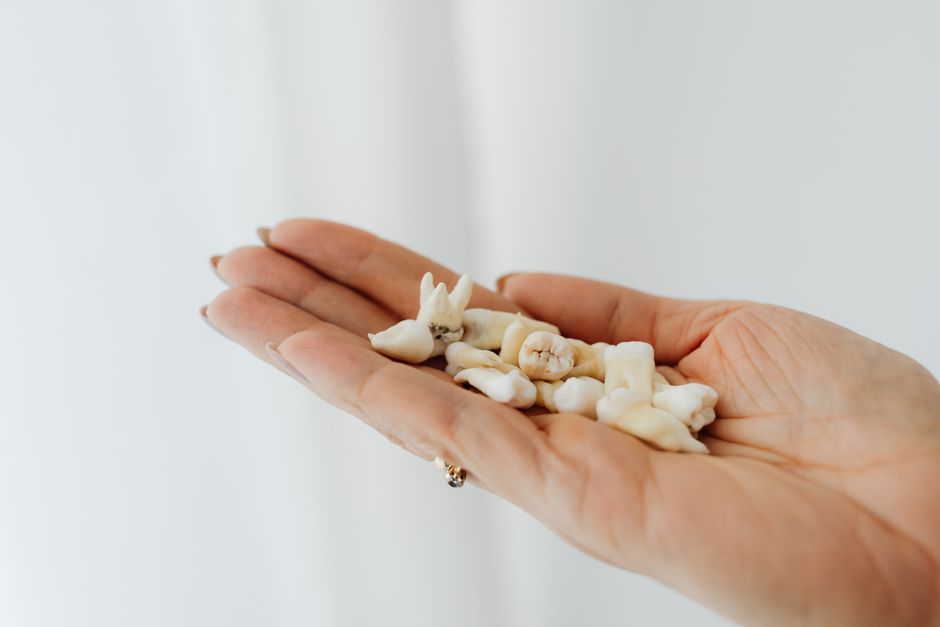
Yes, you can get your wisdom teeth removed while pregnant, but it is not the default choice. Dentists and doctors strongly prefer to delay any non-emergency dental surgery until after the baby is born. The decision comes down to a simple question: is the procedure urgent or can it wait?
If your wisdom tooth is causing severe pain, a serious infection, or swelling that is spreading, removal may be the safest option for both you and the baby. Leaving an active infection untreated can be more dangerous than the surgery itself. However, if the tooth is not causing problems, most care teams will recommend waiting until the second trimester at the earliest, or more often, until after delivery.
Why Do Dentists Prefer to Wait?
Pregnancy changes your body in ways that affect dental surgery. The main concern is not the surgery itself, but the medications and stress involved.
Most wisdom tooth removals require local anesthesia, and sometimes sedation. While local anesthetics like lidocaine are generally considered safe during pregnancy, sedation carries more risk. The medications used for sedation can cross the placenta, and the effects on the developing baby are not fully understood.
There is also the issue of positioning. Dental surgery requires you to lie flat on your back for an extended period. In late pregnancy, this position can compress a major blood vessel called the vena cava, reducing blood flow to the baby. This is why many dentists will not do lengthy procedures on women in their third trimester.
Finally, pregnancy causes hormonal changes that can make gums swell, bleed more easily, and heal more slowly. This does not mean surgery is impossible, but it does increase the chance of complications after the procedure.
When Is Wisdom Tooth Removal Necessary During Pregnancy?
There are times when waiting is not an option. An impacted wisdom tooth can become a serious problem during pregnancy.
A condition called pericoronitis is common in pregnant women. This happens when the gum tissue around a partially erupted wisdom tooth becomes infected and inflamed. Symptoms include severe pain, swelling, difficulty opening the mouth, and sometimes fever.
If the infection spreads, it can cause a condition called cellulitis, which is a deep tissue infection that can be dangerous. In these cases, the infection itself poses a greater threat to the pregnancy than the surgery would. Untreated dental infections have been linked to an increased risk of premature birth and low birth weight.
Your care team will weigh the risks. If the infection is mild, they may try antibiotics and delayed removal. If the infection is severe or not responding to antibiotics, removal becomes the safer option.
What Is the Safest Time During Pregnancy?
If surgery cannot be avoided, the second trimester is generally considered the safest window. This is typically weeks 14 through 20 of pregnancy.
During the first trimester, the baby’s major organs are forming. This is the period of highest sensitivity to any medication or stress. Most healthcare providers avoid all non-emergency procedures during this time.
The third trimester brings the positioning problem mentioned earlier. Lying flat for surgery is uncomfortable and can reduce blood flow to the baby. There is also a small risk that stress or medications could trigger early labor.
The second trimester is the sweet spot. The baby’s organs are developed, the risk of miscarriage has dropped significantly, and the uterus is still small enough that lying flat is not a major concern.




What Anesthesia Options Are Safe?
Local anesthesia is the safest option for dental work during pregnancy. Lidocaine is the most commonly used local anesthetic in dentistry, and it has a long track record of safe use in pregnant patients.
The dose is kept as low as possible, and dentists avoid using epinephrine in the anesthetic when they can. Epinephrine is a vasoconstrictor that helps numb the area longer, but it can affect heart rate and blood pressure.
Sedation is more complicated. Nitrous oxide, or laughing gas, is generally avoided during pregnancy because prolonged exposure could be harmful. Intravenous sedation requires medications like midazolam or fentanyl, which are used only when the benefit clearly outweighs the risk.
In most urgent cases, the procedure is done with local anesthesia alone. It is not the most comfortable option, but it is the safest for the baby. Your dentist and obstetrician should discuss the anesthesia plan with you before the procedure.
What About Pain Medication After Surgery?
Pain management after surgery is a common concern. The good news is that several safe options exist.
Acetaminophen, known by the brand name Tylenol, is considered the safest pain reliever during pregnancy. It is the first-line recommendation for pain after dental surgery.
Ibuprofen and other nonsteroidal anti-inflammatory drugs, or NSAIDs, are generally avoided during pregnancy. In the first and second trimesters, they are sometimes used for short periods, but in the third trimester they are linked to complications. These include early closure of a vessel in the baby’s heart called the ductus arteriosus.
Antibiotics may be prescribed if there is an infection. Penicillin and amoxicillin are commonly used and considered safe. If you have a penicillin allergy, your dentist will choose an alternative that is safe for pregnancy.
Your dentist should coordinate with your obstetrician to confirm the pain medication and antibiotic plan before you leave the office.
What Happens If You Delay the Surgery?
If the wisdom tooth is not causing problems, delaying is completely reasonable. Many people have wisdom teeth that never cause issues.
However, an impacted tooth can cause damage over time. It can push against the neighboring molar, causing decay or resorption of the tooth root. It can also create a pocket where food and bacteria collect, leading to recurring infections.
If you choose to delay, you need a plan. Your dentist should monitor the tooth during your pregnancy. If you notice pain, swelling, or a bad taste in your mouth, contact your dental office right away. Do not wait for the symptoms to become severe.
Good oral hygiene is critical. Brush and floss carefully around the area, and use an antibacterial mouth rinse if your dentist recommends one. Staying on top of your regular dental cleanings during pregnancy can help prevent problems from developing.
Can You Get Your Wisdom Teeth Removed While Pregnant? The Bottom Line
The answer is yes, but only when it is medically necessary. Elective wisdom tooth removal should always wait until after delivery.
If you are in pain, do not ignore it. Contact your dentist and your obstetrician. They will work together to decide if the surgery is urgent enough to proceed, and if so, when the safest time would be.
An untreated dental infection is never a safe choice during pregnancy. The risks of infection to the baby are real and well-documented. In many cases, removing the infected tooth is the lesser risk.
Every pregnancy is different. What is right for one person may not be right for another. The safest approach is to have an open conversation with your dental and medical care team about your specific situation.
Frequently Asked Questions
Is it safe to have wisdom tooth surgery in the first trimester?
Non-emergency surgery is not recommended in the first trimester. This is the period of major organ development, and most providers avoid all elective procedures during this time.
Can a dentist pull a tooth while pregnant?
Yes, a dentist can pull a tooth during pregnancy if it is medically necessary. The procedure is typically done with local anesthesia, which is considered safe for the baby.
What painkillers can a pregnant woman take after tooth extraction?
Acetaminophen, such as Tylenol, is the safest pain reliever during pregnancy. Ibuprofen is generally avoided, especially in the third trimester.
Can a wisdom tooth infection harm my baby?
Yes, a severe untreated dental infection can increase the risk of premature birth and low birth weight. Treating the infection is important for both your health and the baby’s health.
