
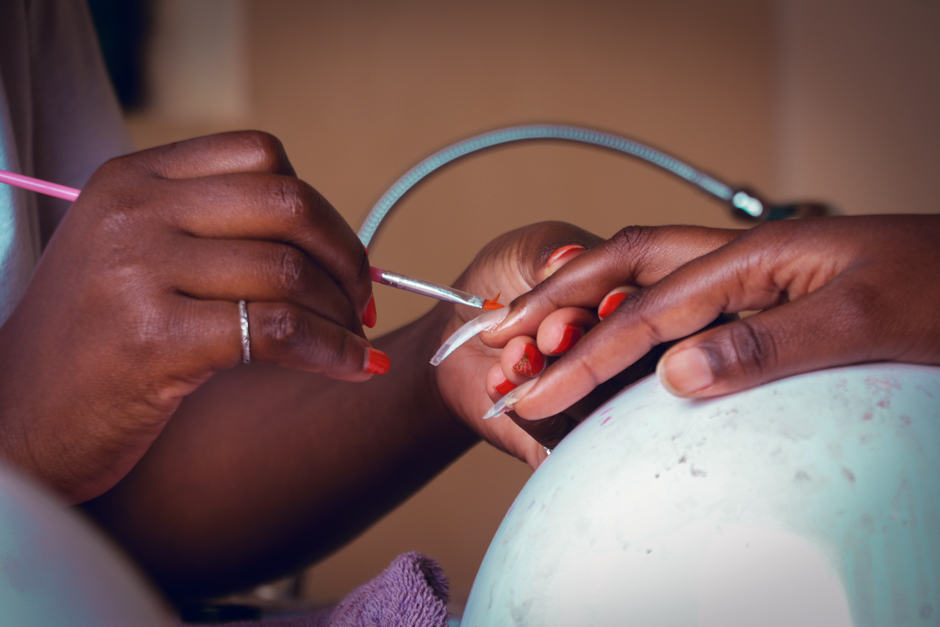
Yes, you can get your nails done while pregnant. Pregnancy is not a medical reason to skip a manicure or pedicure. The main things to think about are the products used, the ventilation in the salon, and a few practical details like infection risk and fumes. Most of the concern around this topic is about long-term chemical exposure, not a single appointment. That distinction matters, and it is where most online advice gets muddled.
Can You Get Your Nails Done While Your Pregnant?
Yes. Getting your nails done during pregnancy is generally considered low risk. The American College of Obstetricians and Gynecologists has noted that occasional use of personal care products like nail polish is not a known cause of harm in pregnancy. The key word is occasional.
The real question is not whether you can, but what you are being exposed to and how often. A single manicure every few weeks is a very different exposure picture than working in a salon eight hours a day, five days a week. Most guidance on this topic is built around occupational exposure, not the customer sitting in the chair for 45 minutes.
If your pregnancy is uncomplicated and you feel well, there is no established reason to avoid a nail appointment. If you have specific health conditions or a high-risk pregnancy, that is a conversation for your own doctor, not a general article.
What Chemicals in Nail Products Should Pregnant Women Know About?
Nail polish and polish remover contain solvents that can be inhaled. The three most discussed are toluene, formaldehyde, and dibutyl phthalate. Many brands now label themselves “3-free” or “5-free” to indicate these ingredients have been removed.
Here is what the evidence actually shows. These chemicals are associated with health concerns at high, sustained exposure levels, mainly in occupational settings. Studies of nail salon workers have raised questions about respiratory symptoms and, in some research, reproductive outcomes. That is a different exposure than a customer receiving a manicure.
Animal studies have raised concerns about high doses of some of these compounds. Animal studies use doses and routes of exposure that do not directly translate to a person getting her nails painted. This is an important distinction that gets lost in a lot of the scary headlines.
What does not exist is strong human evidence showing that occasional manicures during pregnancy cause harm. That absence of evidence is not the same as proof of safety, and honest sources should say so. The reasonable position is that the risk from occasional use appears low, while the risk from daily occupational exposure is less clear and deserves more caution.
Is the Smell of Nail Polish Fumes Harmful During Pregnancy?
The smell is unpleasant, but the smell itself is not the danger. What matters is what is in the air you are breathing and how concentrated it is. A well-ventilated salon disperses those vapors. A small, closed room with no windows and six clients getting acrylics is a different situation.
Nausea is a real and practical issue here. Many pregnant women find strong chemical smells trigger nausea or headaches, especially in the first trimester. That is a comfort problem, not a toxicity problem, but it is a legitimate reason to reschedule or choose a better-ventilated space.
If you can smell the products strongly, that tells you ventilation could be better. You do not need to panic about it. You can ask for a spot near a window, ask whether they have an exhaust fan at each station, or simply step outside for a few minutes if the smell becomes overwhelming.




Are There Infection Risks From Manicures and Pedicures?
This is the more concrete risk, and it applies to everyone, not just pregnant women. Any tool that breaks the skin or comes into contact with cuticles can transmit bacteria or fungi if it is not properly cleaned between clients.
Pregnancy does not make you more likely to get an infection from a nail salon in any specific documented way. But pregnancy does change immune function in ways that can make some infections more serious, and any infection during pregnancy is worth taking seriously.
Practical steps that reduce risk:
- Ask whether tools are sterilized with an autoclave, which uses high-pressure steam. This is the standard for true sterilization.
- Look for single-use files, buffers, and disposable items.
- Avoid having your cuticles cut. Pushing them back is gentler and creates fewer openings in the skin.
- Skip the razor callus removal on your feet and ask for a file or pumice instead.
- Do not shave your legs right before a pedicure. Small nicks from shaving can become entry points for bacteria in warm soaking water.
- If you see redness, swelling, or pus around a nail afterward, contact your doctor.
That last point about shaving is one of the more useful and less obvious tips. A fresh shave leaves microscopic breaks in the skin, and pedicure tubs are a known place where bacteria can linger if they are not properly disinfected between clients.
Gel, Acrylic, and Dip Powder: Is One Safer Than Another?
There is no strong evidence that one type of nail enhancement is clearly safer than another during pregnancy. The differences between them matter more for nail health and removal methods than for pregnancy risk.
| Type | Main exposure concern | Removal method |
|---|---|---|
| Regular polish | Solvent vapors | Acetone or non-acetone remover |
| Gel | Vapors plus UV light used to cure | Soaking in acetone |
| Acrylic | Stronger fumes from liquid monomer | Filing or acetone soak |
| Dip powder | Airborne powder dust | Soaking or filing |
Gel manicures use a UV lamp to cure the polish. The UV exposure from these lamps is low, and there is no established evidence linking occasional use to harm during pregnancy. Some people wear sunscreen on their hands or use fingerless gloves if they are concerned, which is a reasonable precaution but not a requirement.
Acrylics tend to produce the strongest fumes because of the liquid monomer. If you are sensitive to smells or in a poorly ventilated space, this is the type most likely to bother you.
Dip powder creates fine dust that can be inhaled. In a salon with good ventilation and a mask, this is less of a concern. In a small closed room, it is worth thinking about.
What About Nail Polish Remover and Acetone?
Acetone is the main ingredient in most polish removers. It evaporates quickly, which is why it smells so strong. Occasional use in a ventilated area is not considered a significant risk during pregnancy.
Non-acetone removers exist and are often marketed as gentler. They still contain solvents, just different ones. Neither option has been shown to be clearly safer in pregnancy, and both should be used with ventilation.
If you are removing polish at home, open a window, use a small amount, and do not sit in a closed bathroom with the door shut. That is common sense, not a special pregnancy rule.
When Should You Skip the Appointment or Talk to Your Doctor?
Most pregnant women do not need to skip a nail appointment. There are situations where it makes sense to check with your doctor first or hold off entirely.
- You are in a high-risk pregnancy or have been advised to limit certain exposures.
- You have a skin infection, open cut, or broken skin near the nails.
- You have diabetes, which can affect wound healing and infection risk.
- You feel unwell, have a fever, or your doctor has advised avoiding crowded indoor spaces.
- You are in your first trimester and strong smells are making you miserable.
None of these are absolute rules. They are reasons to have a conversation rather than assume. Your own medical situation matters more than any general guideline.
How to Make a Nail Appointment Lower Risk
You can reduce exposure without giving up your appointment. These steps are practical and reasonable.
- Choose a salon with good airflow. Windows, exhaust fans at each station, and space between clients all help.
- Go at a quieter time. Fewer clients means fewer fumes in the air.
- Bring your own tools if you want more control over sterilization.
- Ask for “3-free” or “5-free” polish if you want to avoid toluene, formaldehyde, and dibutyl phthalate.
- Skip cuticle cutting and razor callus removal.
- Do not shave your legs the day of a pedicure.
- Take a break outside if the smell gets to you.
If you want to be extra cautious, a well-ventilated salon with an appointment early in the day is about as low-exposure as a mani-pedi gets.
The Bottom Line on Manicures During Pregnancy
Occasional manicures and pedicures during pregnancy are not a known cause of harm. The concern that gets amplified online is mostly about long-term, high-level occupational exposure, which is a different situation from a customer getting her nails done every few weeks.
The real risks worth managing are infection from poorly sterilized tools and discomfort from fumes. Both are manageable with a few practical choices. If you have a specific medical condition or a high-risk pregnancy, ask your own doctor. For most women, a nail appointment is a normal part of life that does not need to stop.
Frequently Asked Questions
Is it safe to get acrylic nails while pregnant?
There is no strong evidence that acrylic nails are unsafe during pregnancy, though they tend to produce stronger fumes than regular polish. If the smell bothers you or the salon is poorly ventilated, consider a different type or a different salon.
Can nail polish fumes harm my baby?
Occasional exposure to nail polish fumes from a single appointment is not linked to harm in pregnancy. The concern is mainly about high, sustained occupational exposure, not a customer sitting in a salon chair.
Do I need to avoid nail salons in my first trimester?
There is no established rule requiring you to avoid nail salons in the first trimester. Many women find strong smells trigger nausea early on, which is a comfort issue rather than a safety one.
Can I get a pedicure while pregnant?
Yes, pedicures are generally fine during pregnancy. The main things to watch are tool sterilization and not shaving your legs beforehand, since small nicks can let bacteria in during the foot soak.
