
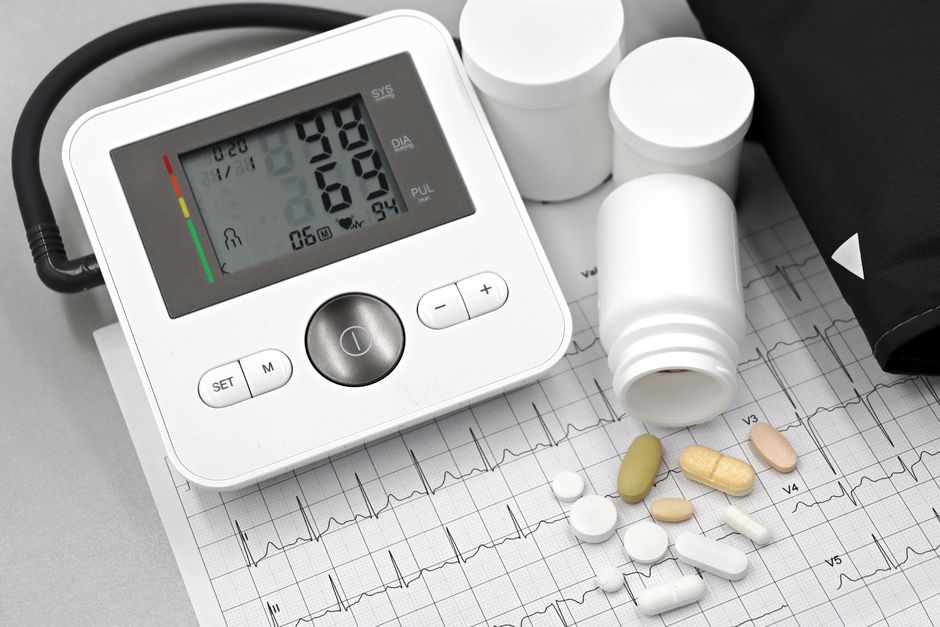
Cardiac arrest during sleep is rare, but it happens. Most cases are not random. They are linked to heart conditions that exist during the day. Preventing cardiac arrest while sleeping starts with managing your heart health when you are awake. The most effective steps are treating sleep apnea, controlling blood pressure, and avoiding stimulants like alcohol and heavy meals before bed.
What Actually Causes Cardiac Arrest During Sleep?
Cardiac arrest means the heart stops pumping blood. It is not the same as a heart attack, which is a blocked artery. During sleep, the body slows down. Heart rate drops. Blood pressure falls. For most people, this is normal and safe.
The danger comes from specific triggers. Obstructive sleep apnea is the most common one. When breathing stops during sleep, oxygen levels drop. The heart has to work harder. In someone with existing heart disease, this stress can trigger a fatal rhythm problem.
Other causes include severe heart failure, inherited heart rhythm disorders, and the aftermath of a recent heart attack. Some medications can also increase risk. This is why sudden cardiac death during sleep is more common in people with known heart conditions.
It is important to understand that cardiac arrest is different from dying peacefully in your sleep. Cardiac arrest is an electrical failure. It is abrupt and often fatal within minutes unless treated.
How To Prevent Cardiac Arrest While Sleeping: The Core Steps
Prevention focuses on reducing known risk factors. The most important step is identifying whether you have sleep apnea. If you snore loudly, gasp for air during sleep, or feel exhausted after a full night of sleep, talk to your doctor about a sleep study.
Treatment for sleep apnea usually involves a CPAP machine. It keeps your airway open with gentle air pressure. Studies consistently show that treating sleep apnea reduces strain on the heart. It also lowers the risk of abnormal heart rhythms during the night.
Blood pressure control matters just as much. Uncontrolled high blood pressure damages the heart over time. It thickens the heart muscle and makes it more prone to electrical problems. If your blood pressure runs above 120/80, work with your doctor on a treatment plan.
Limit alcohol before bed. Alcohol relaxes the throat muscles and worsens sleep apnea. It also can trigger heart rhythm problems in some people. Avoid heavy meals within three hours of bedtime. Digestion raises heart rate and blood pressure while you are trying to sleep.
Why Sleep Apnea Is The Biggest Hidden Risk
Sleep apnea is often undiagnosed. Millions of people have it and do not know. The condition causes repeated pauses in breathing throughout the night. Each pause wakes the brain just enough to restart breathing, but the sleeper rarely remembers these awakenings.
These breathing pauses stress the heart. Oxygen levels fall. The brain sends out stress signals. The heart rate spikes. Over months and years, this pattern damages the cardiovascular system.
Research has found a strong link between sleep apnea and sudden cardiac death. Some studies indicate that people with severe untreated sleep apnea have a significantly higher risk of dying from heart problems during the night. Treating it with CPAP reduces that risk.
If you have been told you snore heavily, or if your partner says you stop breathing at night, take it seriously. A home sleep test or an in-lab study can confirm the diagnosis. This is one of the most effective things you can do to protect your heart while sleeping.



Recognizing The Warning Signs Before Bed
Some cardiac arrests during sleep are preceded by warning signs during the day. Not everyone experiences these, but many do. Chest discomfort, unusual shortness of breath, and heart palpitations deserve attention. So does unexplained fatigue that feels different from normal tiredness.
If you have heart disease or risk factors like diabetes or high blood pressure, pay attention to new symptoms. A sensation of your heart racing, fluttering, or skipping beats should be evaluated. So should fainting or near-fainting episodes.
These symptoms do not mean you are about to have cardiac arrest. But they do mean your heart needs evaluation. An electrocardiogram, an echocardiogram, or a Holter monitor can identify problems that increase nighttime risk.
People with known heart conditions should follow their treatment plan exactly. Take medications as prescribed. Do not skip doses. If your doctor has recommended a device like an implantable defibrillator, understand that it is designed to prevent death from cardiac arrest, including during sleep.
Who Is Most At Risk During Sleep?
Certain groups face higher risk. People with congestive heart failure have weakened hearts that are more vulnerable to rhythm problems at night. Those who have already had a heart attack carry scar tissue in the heart muscle, which can disrupt electrical signals.
Inherited conditions like long QT syndrome and Brugada syndrome can cause cardiac arrest during sleep. These are genetic disorders that affect the heart’s electrical system. They often go undetected until a serious event occurs.
Young people who die suddenly during sleep often have one of these inherited conditions. If a close family member died unexpectedly at a young age, especially during sleep, genetic testing and cardiac screening may be appropriate.
Men are at higher risk than women overall. Age also matters. Risk increases with age, particularly after 50. But cardiac arrest during sleep can happen at any age, which is why recognizing symptoms and managing risk factors matters for everyone.
What To Do If Someone Has Cardiac Arrest While Sleeping
If you wake up and find a bed partner unresponsive and not breathing normally, act immediately. Call emergency services. Begin CPR right away. Push hard and fast in the center of the chest at a rate of 100 to 120 compressions per minute.
An automated external defibrillator, or AED, can be lifesaving. If one is available, use it. The device analyzes the heart rhythm and delivers a shock if needed. Many public places and some homes have them.
Do not wait to see if the person wakes up. Do not spend time checking for a pulse if you are not trained to do so. Agonal breathing, which sounds like gasping or snorting, is not normal breathing. It is a sign of cardiac arrest and requires immediate CPR.
Survival depends on how quickly CPR and defibrillation begin. Every minute without treatment reduces the chance of survival. Bystander CPR can double or triple the odds of survival in many cases.
Lifestyle Habits That Lower Nighttime Risk
Regular exercise strengthens the heart. Aim for moderate activity most days of the week. This does not mean intense workouts. Brisk walking, cycling, or swimming all count. Exercise also helps control blood pressure and weight, both of which reduce cardiac risk.
Maintain a healthy weight. Excess weight, especially around the neck, increases the risk of sleep apnea. Losing even a modest amount of weight can improve or resolve mild sleep apnea in some people.
Stop smoking. Smoking damages blood vessels and increases the risk of heart disease. It also inflames the airways, which can worsen sleep apnea. Quitting smoking reduces cardiovascular risk substantially over time.
Manage stress. Chronic stress raises blood pressure and can contribute to poor sleep. Relaxation techniques, adequate sleep duration, and addressing anxiety with professional help all support heart health.
When To See A Doctor
Schedule an appointment if you snore loudly, have daytime sleepiness, or have been told you stop breathing during sleep. These are classic signs of sleep apnea. Early diagnosis and treatment protect your heart.
Seek prompt medical attention for chest pain, palpitations, or unexplained fainting. These symptoms warrant evaluation even if they come and go. They may indicate an underlying heart condition that increases nighttime risk.
If you have high blood pressure, diabetes, or a family history of heart disease, do not wait for symptoms. Preventive cardiology visits can identify risk early. Blood tests, imaging, and rhythm monitoring provide a clear picture of your heart health.
Frequently Asked Questions
Can a healthy person have cardiac arrest while sleeping?
Yes, but it is rare. Most cases involve undiagnosed conditions like sleep apnea or inherited heart rhythm disorders.
Does sleeping on your back increase cardiac arrest risk?
Sleeping on your back can worsen sleep apnea, which increases heart strain. Side sleeping is often recommended for people with sleep apnea.
Can CPAP prevent cardiac arrest during sleep?
CPAP treats sleep apnea, which significantly reduces nighttime heart stress. It does not eliminate all cardiac arrest risk, especially in people with other heart conditions.
Is cardiac arrest during sleep painful?
Most people lose consciousness quickly and do not report pain. The event is often rapid and without warning.
