
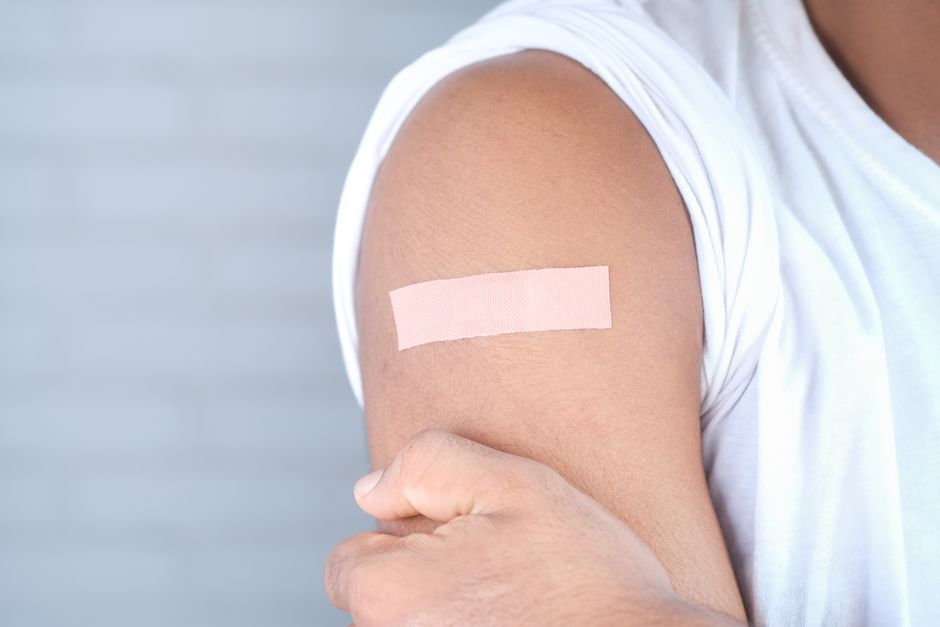
The dengue vaccine is not for everyone. In the United States, it is approved only for children aged 9 through 16 who have a laboratory-confirmed previous dengue infection and who live in areas where dengue is common. For most adults and for people who have never had dengue, the vaccine is not currently recommended.
Who Is Eligible For The Dengue Vaccine?
Eligibility rests on three specific requirements. The person must be between 9 and 16 years old. They must have a prior dengue infection confirmed by a blood test. And they must live in or frequently travel to an area where dengue transmission is ongoing.
The age range exists because of how the vaccine works in the body. The vaccine is a live attenuated vaccine, meaning it contains a weakened version of the virus. In children who have already had dengue, the vaccine trains the immune system to fight all four dengue virus types more effectively.
In people who have never had dengue, the vaccine behaves differently. It can act like a first infection. If that person later gets a real dengue infection, they may face a higher risk of severe disease. This is why the prior infection requirement is not optional — it is a safety measure.
Why Does Prior Dengue Infection Matter?
Dengue is caused by four related viruses, called serotypes. Infection with one serotype gives lifelong protection against that same serotype. But it only gives temporary, partial protection against the other three.
If a person gets a second infection with a different serotype, the immune system responds strongly but in a way that can be harmful. This second infection is when severe dengue is most likely to occur. The vaccine mimics this situation.
For someone who has already had one dengue infection, the vaccine acts like a controlled second exposure. The immune system produces a broad, protective response against all four serotypes. Studies have shown this reduces the risk of severe disease and hospitalization in this group.
For someone who has never had dengue, the vaccine creates an antibody response that is not fully protective. Later, a real dengue infection can trigger the harmful immune reaction seen in second infections. This is the core reason the vaccine is restricted to people with confirmed prior infection.
What Does “Laboratory-Confirmed” Mean?
A prior dengue diagnosis from a doctor’s memory is not enough. The requirement is a positive laboratory test showing a past dengue infection. This is usually a blood test that detects dengue antibodies, specifically IgG antibodies.
These antibodies appear weeks after infection and stay in the blood for years. A positive IgG test indicates past exposure. The test must be performed by a laboratory, not a rapid home test.
Timing matters. If the test is done too early during an active infection, it may be negative. If done during the first few days of illness, the body may not have produced detectable antibodies yet. Testing should occur after recovery or during a separate medical visit.
Some clinicians repeat the test if the result is unclear. The key point is that the test result must be documented in the medical record before the vaccine is given.



Why Is the Vaccine Restricted to Ages 9 Through 16?
Clinical trials showed the vaccine’s benefits and risks differ by age. In younger children, particularly those under 9, the vaccine appeared to increase the risk of severe dengue in later infections. This was true even in children who had prior dengue.
In children aged 9 to 16 with prior infection, the vaccine reduced hospitalizations from dengue significantly. The protection was strong enough that the benefits clearly outweighed the risks in this group.
The age restriction is not arbitrary. It comes directly from trial data that showed a different safety profile in younger children. Regulatory agencies reviewed this data and approved the vaccine only for the age group where the evidence was clear.
Adults are not included in the approved age range in the United States. Clinical trials in adults have shown the vaccine is immunogenic, meaning it produces an immune response. But the evidence for reduced severe disease in adults is less complete, and no regulatory approval covers adults in the U.S.
Where Is the Dengue Vaccine Given?
The vaccine is not offered in every clinic or pharmacy. It is recommended only for people living in areas with ongoing dengue transmission. In the United States, this includes Puerto Rico, American Samoa, the U.S. Virgin Islands, and the Federated States of Micronesia.
Dengue transmission also occurs in parts of Hawaii, Texas, and Florida, but cases are sporadic rather than continuous. The vaccine is not routinely recommended in these areas.
For travelers, the vaccine is not recommended. The risk of dengue for most travelers is low, and the vaccine requires a prior infection that most travelers will not have. Preventive measures like mosquito repellent and protective clothing remain the primary defense for travelers.
Residents of areas with active dengue should discuss the vaccine with their healthcare provider. The provider will review the laboratory evidence of prior infection and confirm the child’s age before recommending vaccination.
What Are the Risks and Side Effects?
The vaccine carries risks, and these are documented in the prescribing information. Common side effects include headache, muscle pain, fatigue, and injection site reactions. These are typically mild and resolve within days.
Serious risks are rare but real. The most significant concern is the increased risk of severe dengue in people who receive the vaccine without prior infection. This is why the prior infection requirement is strictly enforced.
There is also a small risk of anaphylaxis, a severe allergic reaction, after any vaccine. This is why observation for 15 to 30 minutes after vaccination is standard practice.
No vaccine is completely without risk. The decision to vaccinate balances the risk of severe dengue — which can be fatal — against the small risk of vaccine-related complications. For eligible children in high-transmission areas, the balance favors vaccination.
How Does the Vaccine Schedule Work?
The vaccine requires three doses. The second dose is given six months after the first. The third dose is given six months after the second. The full series takes about 12 months to complete.
Protection is not immediate. It develops gradually over the course of the series. The child should continue using mosquito protection throughout the vaccination period.
If a dose is missed, the schedule may need to be restarted. This depends on how much time has passed. The healthcare provider will guide the family on the correct timing for catch-up doses.
After completing all three doses, protection against severe dengue lasts for several years. The exact duration of protection is still being studied, and booster recommendations may change as more data becomes available.
Frequently Asked Questions
Can adults get the dengue vaccine?
In the United States, the dengue vaccine is not approved for adults. Clinical trials have not yet demonstrated the same level of benefit in adults as in children aged 9 to 16.
What if my child had dengue but we don’t have a lab test?
The vaccine cannot be given without laboratory confirmation of prior dengue infection. A blood test can be done to check for dengue antibodies before vaccination is considered.
Is the dengue vaccine safe for travelers?
The vaccine is not recommended for travelers. Most travelers have not had prior dengue, and the vaccine increases the risk of severe disease in people without prior infection.
How long does dengue vaccine protection last?
Protection from the three-dose series lasts for several years. Researchers are still studying the exact duration, and recommendations for booster doses may be updated as more evidence becomes available.
Dengue vaccine eligibility is narrow by design. The vaccine is a powerful tool for a specific group: children aged 9 to 16 with proven prior infection living in high-risk areas. For everyone else, the evidence does not currently support vaccination. Mosquito prevention remains the foundation of dengue protection for most people.
