
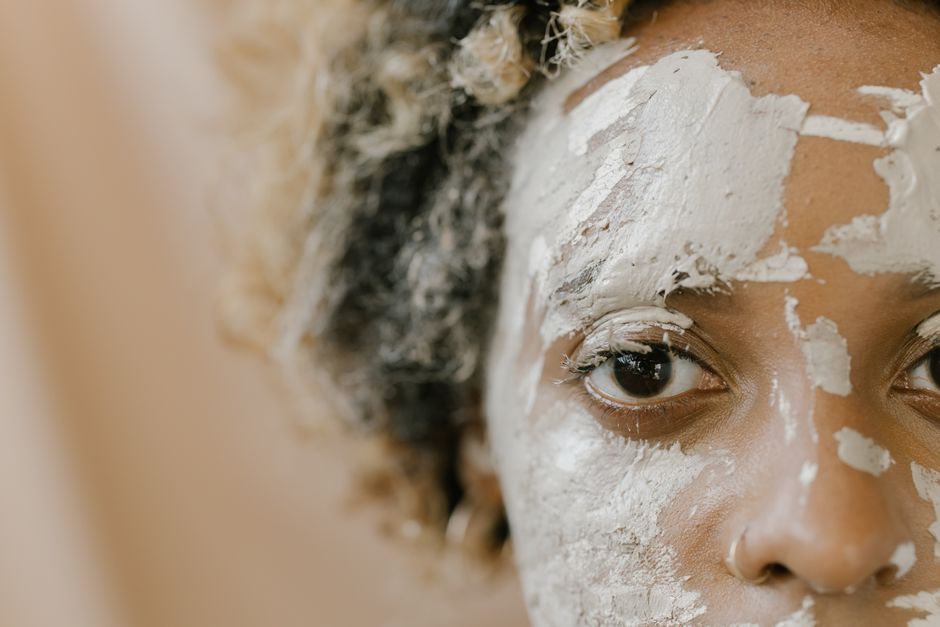
Yes, you can get ringworm on your face. It is a common fungal infection that affects the skin anywhere on the body, including the face. Despite the name, it is not caused by a worm. It is caused by a group of fungi called dermatophytes that live on dead skin, hair, and nail tissue. On the face, it often appears as a red, scaly, ring-shaped patch that can be itchy. It is highly contagious but very treatable with antifungal medication.
What Does Ringworm on the Face Look Like?
Ringworm on the face, sometimes called tinea faciei, can look different from ringworm on other body parts. The classic ring shape with a clear center is common, but facial ringworm can also appear as a flat, scaly, or patchy rash without a distinct ring.
It often appears as one or more red, circular patches with raised, scaly borders. The center of the patch may clear up, making it look like a ring. The rash can be itchy, though not always. Some people experience burning or stinging sensations. On the face, it can be mistaken for other skin conditions like eczema, seborrheic dermatitis, or even acne, which can delay proper treatment.
In some cases, the rash may be more diffuse and less defined, especially if the person has used steroid creams. Steroid creams can reduce inflammation and temporarily make the rash look better, but they do not kill the fungus and can allow it to spread.
How Do You Get Ringworm on the Face?
The fungi that cause ringworm thrive in warm, moist environments. You can contract it through direct skin-to-skin contact with an infected person or animal. You can also get it from touching contaminated objects, such as towels, bedding, combs, hats, or gym equipment. The fungus can survive on these surfaces for a long time.
Certain activities increase your risk. Contact sports like wrestling create close skin contact. Sharing personal items like razors or towels spreads the fungus easily. Living in crowded or humid conditions also raises the risk. Pets, especially cats and dogs, can carry the fungus without showing obvious symptoms, making them a common source of infection.
On the face specifically, the infection often starts after contact with an infected pet or from touching an infected area on your own body, like your feet or groin, and then touching your face. This is why it is important to wash your hands thoroughly after touching any suspicious rash.
Is Ringworm on the Face the Same as Other Fungal Infections?
Ringworm is a general term for a group of fungal infections. The medical name depends on the body part affected. Tinea pedis is athlete’s foot, tinea cruris is jock itch, and tinea capitis is scalp ringworm. When it appears on the face, it is called tinea faciei.
These infections are all caused by similar dermatophyte fungi, but they can behave differently. Scalp ringworm, for example, can cause hair loss and may require a stronger, oral medication. Facial ringworm is usually treated with topical creams, though oral medication may be needed if the infection is widespread or does not respond to creams.
It is also important to distinguish ringworm from other facial rashes. Conditions like psoriasis, contact dermatitis, or lupus can look similar. A doctor can often diagnose ringworm by looking at it, but they may take a skin scraping to examine under a microscope for a definitive diagnosis.





How Is Ringworm on the Face Treated?
Treatment for facial ringworm typically involves antifungal creams, lotions, or gels applied directly to the affected skin. Common over-the-counter options include clotrimazole, miconazole, and terbinafine. These are applied once or twice daily for several weeks.
It is critical to continue treatment for the full duration prescribed, even if the rash starts to clear. Stopping early can allow the fungus to survive and the infection to return. Most mild to moderate cases clear up within two to four weeks of consistent treatment.
If the infection is severe, covers a large area, or does not improve with topical treatment, a doctor may prescribe an oral antifungal medication. These are taken by mouth and work throughout the body. Oral antifungals are also used when the infection involves hair follicles, which topical creams cannot penetrate effectively.
While treating the infection, keep the affected area clean and dry. Wash towels, bedding, and clothing in hot water to prevent reinfection. Avoid sharing personal items until the rash is completely gone.
Can You Prevent Ringworm on the Face?
Prevention focuses on reducing exposure to the fungus and keeping your skin healthy. Good hygiene is the first line of defense. Wash your hands regularly, especially after touching animals or public surfaces. Do not share towels, razors, combs, or hats with others.
If you have a pet, check them for patches of missing fur or scaly skin. If you suspect a pet has ringworm, take them to a veterinarian. Treating the animal is essential to prevent reinfection in humans.
After using public gyms, locker rooms, or swimming pools, shower and dry off thoroughly. Fungi thrive in moisture, so keeping your skin dry is important. Wear clean, breathable clothing and change out of sweaty clothes promptly.
When Should You See a Doctor?
You should see a doctor if the rash does not improve after two weeks of over-the-counter antifungal treatment. You should also see a doctor if the rash is spreading, becoming painful, or showing signs of a secondary bacterial infection, such as oozing, crusting, or increased redness and swelling.
If you have a weakened immune system due to conditions like diabetes, HIV, or certain medications, seek medical advice early. Fungal infections can be more aggressive and harder to treat in these situations. A doctor can confirm the diagnosis and prescribe a stronger treatment if necessary.
Do not use steroid creams on a suspected fungal infection without a doctor’s guidance. They can mask the symptoms and make the infection worse by allowing the fungus to grow unchecked.
Can Ringworm on the Face Cause Permanent Damage?
In most healthy people, ringworm on the face resolves completely without permanent scarring. The main risk is temporary skin discoloration that can persist for weeks or months after the infection clears. This is not permanent and usually fades over time.
If the infection is left untreated for a long time, it can spread to other parts of the face or body. In rare cases, it can cause deeper skin infections. However, permanent damage is uncommon with proper treatment.
Scarring is more likely if the area is scratched excessively or if a secondary bacterial infection develops. Avoid scratching the rash, and keep the area clean to reduce this risk.
Are Home Remedies Effective for Ringworm?
Some home remedies, such as tea tree oil or apple cider vinegar, are often mentioned as treatments for ringworm. Some research suggests tea tree oil has antifungal properties, but the evidence for its effectiveness on facial ringworm is limited. Apple cider vinegar has not been proven to treat fungal infections effectively.
These remedies are not a substitute for proven antifungal medications. Using them alone may delay effective treatment and allow the infection to spread. If you choose to try a home remedy, do so only in addition to standard treatment and consult a doctor if the rash does not improve.
Frequently Asked Questions
Is ringworm on the face contagious?
Yes, ringworm on the face is highly contagious through direct skin contact or contact with contaminated objects like towels and bedding.
Can ringworm on the face spread to other parts of the body?
Yes, the fungus can spread to other areas of the body through touching the rash and then touching other skin.
How long does ringworm on the face take to heal?
With consistent antifungal treatment, most facial ringworm infections clear up within two to four weeks.
Can I wear makeup over ringworm on my face?
It is best to avoid makeup over an active ringworm rash, as it can trap moisture and slow healing or spread the fungus.
