
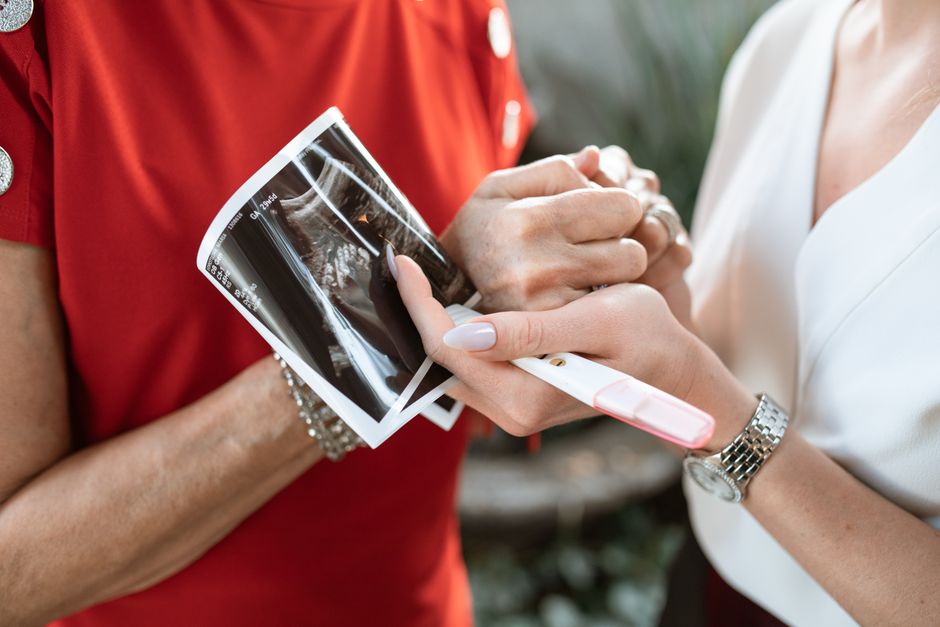
Ovulation is the release of an egg from the ovary. Without an egg, pregnancy cannot happen. If you are not ovulating at all, you cannot get pregnant during that cycle. However, the story does not end there, because “not ovulating” can mean different things depending on when you check, and some people ovulate later than they think.
Can You Get Pregnant If You Are Not Ovulating?
The short answer is no. Pregnancy requires a mature egg to meet sperm. If no egg is released, fertilization has nothing to occur. This is basic reproductive biology. A woman who is truly anovulatory — meaning she never releases an egg — will not conceive without medical help.
But there is a critical distinction. A woman who is “not ovulating today” may ovulate tomorrow or next week. Many women mistake a late ovulation for no ovulation. If you have irregular cycles, you may simply be ovulating later than the textbook day 14. The egg still comes, just later.
True anovulation means no egg is ever released. This is a different situation entirely. It is a treatable condition, but it requires medical evaluation.
What Does It Mean to Not Ovulate?
Anovulation is the medical term for absent ovulation. It means the ovary does not release an egg during a menstrual cycle. This can happen occasionally in perfectly healthy women. Stress, illness, travel, or a sudden change in weight can delay or skip ovulation for a cycle or two.
Chronic anovulation is different. It means you rarely or never ovulate. This is a common cause of infertility. Polycystic ovary syndrome (PCOS) is the most frequent cause of chronic anovulation. Other causes include thyroid disorders, high prolactin levels, premature ovarian insufficiency, and extreme exercise or low body weight.
Some women with anovulation still have regular periods. This is unusual but possible. The bleeding is not a true menstrual period. It is breakthrough bleeding from a buildup of the uterine lining without the hormonal signal of ovulation.
How Do You Know If You Are Ovulating?
You cannot always tell by how you feel. Many women have no physical signs of ovulation. Others notice mittelschmerz — a one-sided twinge of pain near the ovary. Cervical mucus changes are a more reliable sign for many women. Around ovulation, mucus becomes clear, slippery, and stretchy, like raw egg white.
Basal body temperature tracking is a common method. Your temperature rises slightly after ovulation and stays elevated until your next period. The rise confirms ovulation happened, but it does not predict it. By the time you see the rise, the fertile window has passed.
Ovulation predictor kits detect the luteinizing hormone (LH) surge that happens 24 to 36 hours before ovulation. These kits are useful but not perfect. Some women have LH surges without actually ovulating. Others have false negatives if they test at the wrong time of day.
For a definitive answer, a doctor can order a progesterone blood test about seven days before your expected period. Progesterone is only produced after ovulation. A single blood test can confirm whether ovulation occurred that cycle.




Can You Ovulate Without Having a Period?
Yes. It is possible to ovulate without a visible period. This happens most often in women who are breastfeeding or approaching menopause. The ovary releases an egg, but the uterine lining never builds up enough to shed. Some women also have a condition called luteal phase defect where the second half of the cycle is too short.
The reverse is also true. You can have bleeding without ovulation. This is common in the first year after menarche and in the years before menopause. The hormonal signals are irregular, so the lining sheds unpredictably.
If you have no period at all for months — a condition called amenorrhea — you are almost certainly not ovulating. But if you have light, irregular bleeding, ovulation may still be happening. The only way to know is to track it or get tested.
What If You Are Not Ovulating But Want to Get Pregnant?
If you have gone more than 35 days without a period, or if your cycles are consistently irregular, see a doctor. Do not wait a full year to seek help. The standard advice to try for 12 months before seeing a fertility specialist applies to women with regular cycles. Irregular cycles warrant earlier evaluation.
Your doctor will run blood tests to check hormone levels. These include follicle-stimulating hormone (FSH), luteinizing hormone (LH), thyroid-stimulating hormone (TSH), and prolactin. An ultrasound may be done to look at the ovaries and check the uterine lining.
Treatment depends on the cause. For PCOS, weight loss of even 5 to 10 percent can restore ovulation in some women. Metformin, a diabetes medication, is sometimes prescribed. Letrozole and clomiphene citrate are oral medications that stimulate the ovaries to produce and release an egg. Gonadotropins are injectable hormones used when oral medications fail.
If the cause is thyroid disease or high prolactin, treating the underlying condition often restores ovulation. Premature ovarian insufficiency is different. In this condition, the ovaries have few remaining eggs. Fertility treatment may involve donor eggs.
Can You Get Pregnant on the Day You Ovulate?
Yes, but the timing is narrow. The egg survives only 12 to 24 hours after release. Sperm can survive in the female reproductive tract for up to five days. This means the fertile window spans about six days: the five days before ovulation plus the day of ovulation itself.
Having intercourse on the day of ovulation gives the sperm the shortest distance to travel. But having intercourse two to three days before ovulation is also highly effective. The sperm waits for the egg. This is why tracking ovulation is useful — it helps you time intercourse to the fertile window rather than just the single day of ovulation.
If you are not ovulating, none of this timing matters. There is no egg to meet the sperm. This is why confirming ovulation is the first step before trying to time intercourse.
Can Stress Stop Ovulation?
Yes. Stress is a recognized cause of delayed or missed ovulation. The brain’s hypothalamus regulates reproductive hormones. When the body perceives stress — physical or emotional — it can suppress the signals that trigger ovulation. This is an evolutionary response. The body prioritizes survival over reproduction.
This is usually temporary. Once the stress resolves, ovulation typically returns. But chronic stress can cause prolonged anovulation. If you have been under significant stress and your periods have stopped, address the stress and give your body time. If your period does not return within a few months, see a doctor.
High-intensity exercise can have the same effect. Female athletes sometimes stop ovulating when training volume is very high. Low body weight is another trigger. The body needs a certain amount of body fat to maintain ovulatory cycles.
What Are the Risks of Not Ovulating?
The most obvious risk is infertility. But chronic anovulation has other health consequences. Without regular ovulation, the uterus does not shed its lining regularly. The lining can build up abnormally. Over time, this increases the risk of endometrial hyperplasia, a precancerous condition of the uterine lining.
Anovulation also means low progesterone levels. Progesterone protects the uterine lining and has other roles in the body. Low progesterone is linked to heavier, more irregular bleeding when it does occur.
The underlying cause of anovulation matters too. PCOS is associated with insulin resistance and a higher risk of type 2 diabetes. Thyroid disease has its own set of health risks. Treating anovulation is about more than fertility — it is about overall health.
Frequently Asked Questions
Can you get pregnant if you are not ovulating?
No. Without an egg, fertilization cannot happen. You need medical treatment to trigger ovulation if you are not ovulating at all.
How long can you go without ovulating?
It varies. Some women miss one or two cycles due to stress or illness. Chronic anovulation can last months or years without treatment.
Can you ovulate without knowing it?
Yes. Many women have no physical symptoms of ovulation. Blood tests or ovulation tracking are the only reliable ways to confirm it.
Does irregular bleeding mean you are not ovulating?
Not necessarily. Irregular bleeding can happen with ovulation, and regular-looking bleeding can happen without it. A progesterone blood test is the most accurate way to confirm ovulation.
