
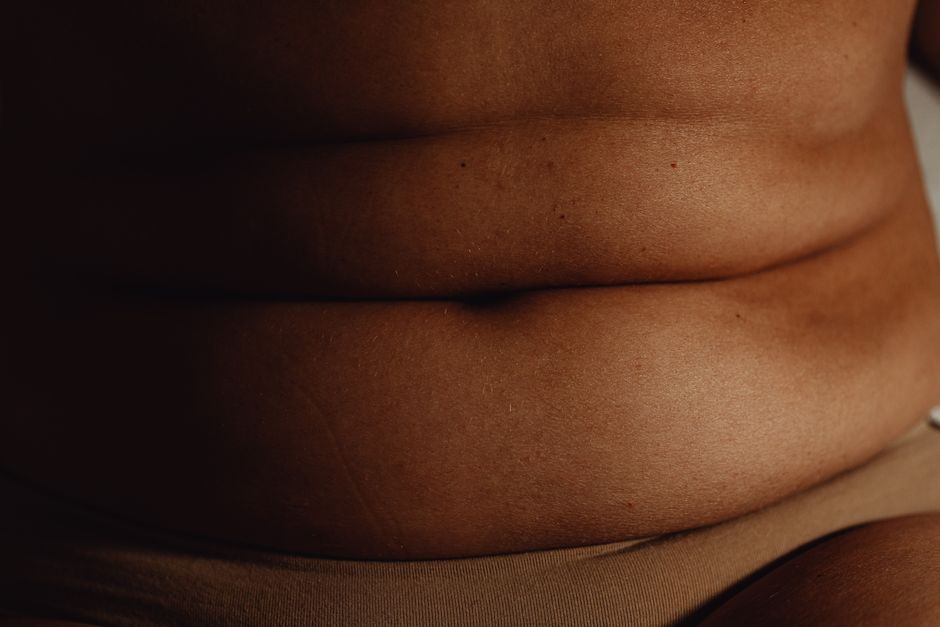
Bloating is that heavy, tight, and full feeling in your belly. It is one of the most common reasons people visit a doctor. For most people, it is a temporary nuisance linked to something they ate. For others, it is a daily struggle that points to a deeper digestive issue. The good news is that most bloating is manageable. Understanding why it happens is the first step to finding relief.
What Actually Causes That Full and Tight Feeling?
Bloating happens when your gastrointestinal tract fills with gas or stool. Your stomach and intestines are muscular tubes designed to move contents along. When that movement slows down, or when gas builds up faster than you can pass it, you feel pressure. That pressure is what makes your abdomen look and feel swollen.
Everyone swallows some air when they eat and drink. That air has to go somewhere. It either comes back up as a burp or travels through your system to be released as gas. The average person passes gas anywhere from 10 to 20 times a day. That is a normal number. If you are producing more than that, or if gas is getting trapped, you will feel bloated.
Another common cause is the way your body digests certain foods. Some carbohydrates are not fully broken down in your small intestine. They move to your large intestine where bacteria ferment them. This fermentation process creates gas. It is a normal biological process, but some people are more sensitive to it than others.
Why Does My Tummy Feel So Bloated After Eating Certain Foods?
Some foods are well known for causing gas. Beans and lentils contain complex sugars that your body struggles to digest. Cruciferous vegetables like broccoli, cabbage, and cauliflower are also common triggers. Carbonated drinks release carbon dioxide gas directly into your stomach. Chewing gum and drinking through a straw make you swallow extra air.
There is a group of carbohydrates called FODMAPs that cause problems for many people. FODMAP stands for fermentable oligosaccharides, disaccharides, monosaccharides, and polyols. These are short-chain carbohydrates that are poorly absorbed in the small intestine. Instead of being digested, they travel to the colon where bacteria ferment them rapidly. This rapid fermentation produces a lot of gas.
Foods high in FODMAPs include wheat, onions, garlic, apples, pears, and dairy products. For people with irritable bowel syndrome, or IBS, these foods are frequent culprits. Research shows that a low-FODMAP diet helps about 50 to 80 percent of people with IBS reduce their symptoms. This diet is not meant to be followed forever. It is a short-term elimination plan done under professional guidance.
Dairy is a separate issue for many adults. Lactose intolerance means your body does not produce enough of the enzyme lactase needed to break down milk sugar. Undigested lactose ferments in the colon and causes gas, cramping, and bloating. This is extremely common. It is estimated that about 68 percent of the world’s population has some degree of lactose malabsorption.
What Medical Conditions Cause Chronic Bloating?
If bloating happens regularly, a food intolerance is not always the reason. Several medical conditions can cause persistent bloating. Irritable bowel syndrome is the most common. It affects the way your brain and gut communicate. This can slow down or speed up digestion, leading to gas retention and pain.
Small intestinal bacterial overgrowth, or SIBO, is another condition to consider. Normally, the small intestine has relatively few bacteria. When bacteria from the large intestine migrate upward and multiply, they ferment food in the wrong place. This causes bloating, especially after meals. SIBO is diagnosed through a breath test and treated with targeted antibiotics.
Gastroparesis is a condition where the stomach empties too slowly. If food sits in your stomach for hours longer than it should, you will feel full and bloated even after small meals. This condition is most common in people with diabetes, particularly when blood sugar control has been poor for many years.
Celiac disease is an autoimmune condition triggered by gluten. Unlike a wheat intolerance, celiac disease causes your immune system to attack your small intestine. Beyond bloating, it causes damage that prevents nutrient absorption. If you have chronic bloating with diarrhea, fatigue, or unexplained weight loss, celiac disease should be ruled out with a blood test.





When Should Bloating Be a Concern?
Most bloating is harmless and temporary. But sometimes it signals something more serious. You should seek medical attention if bloating comes with severe pain that does not go away, blood in your stool, persistent diarrhea, or unexplained weight loss. Fever, vomiting, or bloating that lasts for more than a few days without relief also warrants a doctor visit.
For women, persistent bloating deserves special attention. Bloating that occurs almost daily for more than two weeks can be a symptom of ovarian cancer. This is rare, but it is a symptom that should never be ignored. The American Cancer Society includes persistent bloating on its list of ovarian cancer warning signs. Most women with bloating do not have ovarian cancer. But if it is a new symptom for you and it is not going away, it is worth discussing with your doctor.
Sudden severe bloating with an inability to pass gas or stool could indicate a bowel obstruction. This is a medical emergency. If you have intense abdominal pain, a swollen abdomen, and cannot have a bowel movement, go to an emergency room immediately.
What Actually Helps Reduce Bloating?
Simple habits can make a real difference. Eating slowly reduces the amount of air you swallow. Chewing food thoroughly starts the digestive process in your mouth where it belongs. Regular physical activity helps move gas through your digestive tract. Even a short walk after a meal can stimulate digestion.
Over-the-counter products can help in specific situations. Simethicone, found in products like Gas-X, helps break up gas bubbles in your stomach. It does not reduce gas production, but it can make trapped gas easier to pass. Beano contains an enzyme that breaks down the complex sugars in beans and vegetables before they reach your colon. Lactaid supplies the lactase enzyme your body is missing.
Peppermint oil is one of the better studied natural remedies. Research shows it can reduce bloating and abdominal pain in people with IBS. It works by relaxing the smooth muscles of the intestinal wall. Enteric-coated capsules are preferred because they release the oil in the intestines rather than the stomach.
Probiotics are often recommended, but the evidence is mixed. Different strains have different effects. Some studies suggest certain strains, particularly Bifidobacterium infantis, can reduce bloating in people with IBS. But no single probiotic works for everyone. If you try one and do not notice a difference in three to four weeks, it probably is not the right strain for you.
There is no clinical evidence that activated charcoal helps with bloating. It is sometimes marketed for gas relief, but studies have not confirmed meaningful benefit. It can also interfere with medication absorption. Do not take activated charcoal regularly without discussing it with your doctor.
How to Figure Out Your Personal Triggers
The most reliable way to identify what causes your bloating is a food diary. Write down everything you eat and drink, along with when you feel bloated. Do this for at least two weeks. Patterns often emerge that you would not notice otherwise. You might discover that your bloating only happens after restaurant meals, or that it is worse at certain times of the month.
An elimination diet is the next step if you suspect a specific food. Remove one suspected trigger at a time for two weeks. If your bloating improves, that food is likely a problem for you. If nothing changes, add it back and try removing something else. This process is slow but it gives you personalized information that no test can provide.
A low-FODMAP elimination phase should be done with the help of a registered dietitian. The diet is restrictive and nutritionally complex. Doing it incorrectly can lead to nutrient deficiencies and frustration. A dietitian can guide you through the elimination phase and help you systematically reintroduce foods to identify your specific sensitivities.
Frequently Asked Questions
Why do I feel bloated every day even when I eat healthy?
Daily bloating often comes from high-fiber foods your gut is not used to, or from eating too fast and swallowing air. If it continues for weeks, it is worth discussing with a doctor to rule out IBS, SIBO, or another underlying condition.
Can stress make my stomach feel bloated?
Yes. Stress changes how your gut moves food along and can increase your sensitivity to normal amounts of gas. The brain and gut are directly connected through the vagus nerve, and anxiety can slow digestion significantly.
How long does normal bloating last?
Bloating from a single meal usually resolves within a few hours once gas passes. Bloating that lasts more than two or three days, or that happens most days of the week, is not normal and should be evaluated.
Does drinking more water help with bloating?
Staying hydrated helps prevent constipation, which is a common cause of bloating. Drinking more water will not fix bloating caused by gas production, but it can help if your bloating is related to irregular bowel movements.
