
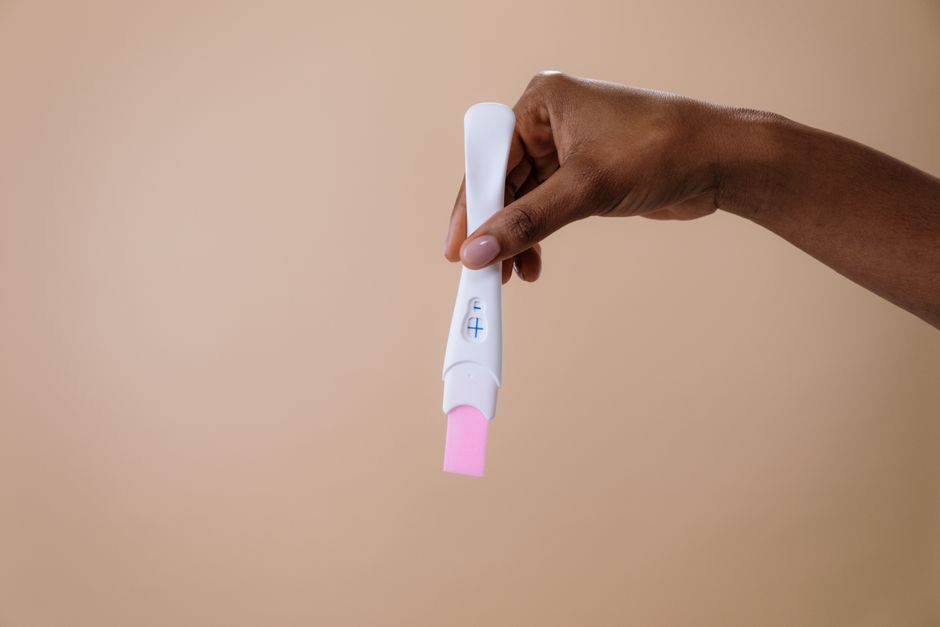
Yes, you can test for strep throat too early, and a negative result does not always mean you are in the clear. Rapid strep tests and throat cultures detect group A Streptococcus bacteria, and if the amount of bacteria in your throat is still low when you swab, the test can miss it. That is why timing matters, and why a doctor may repeat a test or treat based on symptoms even after a negative result.
Can You Test For Strep Too Early?
You can. A test done in the first hours of symptoms may come back negative simply because there is not enough bacteria present yet for the test to detect.
Strep throat is caused by group A Streptococcus bacteria, also called Streptococcus pyogenes. These bacteria multiply in the throat and tonsils. A rapid test works by detecting bacterial proteins called antigens. A throat culture works by growing the bacteria in a lab. Both methods need a certain amount of bacteria to give a positive result.
Early in an infection, that amount may be too low. This is not a flaw in the test itself. It is a matter of how much bacteria is there when you swab.
The opposite problem also exists. If you test very late, well after symptoms have peaked, the bacteria may already be clearing and the test could miss it too. The window where detection is most reliable tends to be when symptoms are fully developed, generally a day or two after they start.
How Soon After Symptoms Start Should You Get Tested?
Testing works best once symptoms are clearly present, not in the first few hours after you notice a scratchy throat.
Symptoms of strep throat usually appear suddenly. They include a sore throat, pain when swallowing, fever, red and swollen tonsils, and sometimes white patches on the tonsils. Headache, nausea, and swollen lymph nodes in the neck are also common. A cough and runny nose are more typical of a viral infection than strep.
When these symptoms are established, the amount of bacteria in the throat is usually high enough for a reliable test. If you test the moment you feel a tickle, you may catch the infection before it has built up enough to be detected.
There is no single perfect hour. The general clinical approach is to test when symptoms point clearly toward strep, rather than at the very first sign of throat discomfort.
Why Can a Strep Test Be Negative When You Actually Have Strep?
A negative strep test does not always mean you do not have strep throat. There are several reasons a test can miss a real infection.
- Low bacterial load. You tested before the bacteria multiplied enough to be detected.
- Poor swab technique. The swab needs to firmly rub both tonsils and the back of the throat. A quick or shallow swab can miss the bacteria.
- Test sensitivity. Rapid antigen tests are not as sensitive as a throat culture. They can miss infections that a culture would catch.
- Recent antibiotics. If you already started antibiotics, the bacteria may be reduced enough to fall below detection.
This is why the standard approach in many clinics is to follow a negative rapid test with a throat culture, especially in children and teenagers. The culture takes longer, often a day or two, but it is more sensitive.
Some clinicians treat based on strong symptoms even with a negative rapid test. This is common practice, but it is worth knowing that the evidence for treating on symptoms alone is not as strong as the evidence for treating a confirmed positive. The decision usually weighs how likely strep is, how sick you are, and your risk of complications.




What Is the Difference Between a Rapid Test and a Throat Culture?
Both tests look for the same bacteria, but they work differently and give results at different speeds.
| Test | How It Works | Time to Result | Sensitivity |
|---|---|---|---|
| Rapid antigen test | Detects bacterial proteins (antigens) on a swab | Minutes | Lower — can miss some infections |
| Throat culture | Grows bacteria from a swab in a lab | Usually 24 to 48 hours | Higher — considered the reference standard |
Because the rapid test is faster but less sensitive, many providers use a two-step approach. A positive rapid test is trusted right away. A negative rapid test is backed up with a culture, particularly in children, where the risk of untreated strep is higher.
In adults, some guidelines allow a negative rapid test to stand on its own, because strep throat is less common in adults and the risk of complications like rheumatic fever is lower. Practice varies, and your provider’s choice will depend on your symptoms and history.
Does Testing Too Early Affect Treatment?
It can. If a test is falsely negative, you may not get antibiotics you actually need, or you may get them later than ideal.
Strep throat is treated with antibiotics. Penicillin and amoxicillin are the standard first choices. Antibiotics do two things: they speed up recovery and they reduce the chance of spreading the infection to others. They also lower the risk of rare but serious complications like rheumatic fever.
When treatment is delayed because of a missed diagnosis, symptoms may last longer and you may stay contagious for longer. This is one reason accurate testing and appropriate timing matter.
At the same time, not every sore throat needs antibiotics. Most sore throats are caused by viruses, which antibiotics do not treat. Taking antibiotics when they are not needed does not help you and adds to the problem of antibiotic resistance. This is why testing exists in the first place — to tell the difference.
When Should You See a Doctor for a Sore Throat?
See a doctor if your sore throat is severe, lasts more than a few days, or comes with a fever, swollen tonsils, or trouble swallowing.
Certain signs should prompt a faster visit. These include difficulty breathing, drooling, a muffled voice, or being unable to swallow your own saliva. These can point to a more serious problem and need urgent care.
Strep throat is most common in children between 5 and 15 years old. It does happen in adults, but less often. If someone in your household has confirmed strep, and you develop a sore throat, that raises the chance yours is strep too.
If you have been tested and the result was negative but your symptoms are getting worse, it is reasonable to follow up. A repeat test or a culture may be warranted.
Can You Prevent a False Negative Strep Test?
You cannot control how much bacteria is in your throat, but you can improve the odds of an accurate result.
The most important factor is timing. Getting tested when symptoms are clearly established, rather than at the first tickle, gives the test the best chance of detecting the bacteria.
Swab technique also matters, and that is in the hands of whoever collects the sample. A thorough swab of both tonsils and the back of the throat is more likely to pick up the bacteria than a quick pass.
If you have already started antibiotics before testing, tell your provider. That can affect the result and how it should be interpreted.
If your first test is negative but your symptoms strongly suggest strep, ask whether a culture is appropriate. In many cases, it is.
Frequently Asked Questions
Can a strep test be negative if you have strep?
Yes. A negative test can happen if you tested before the bacteria multiplied enough to be detected, or if the swab did not collect enough of a sample. A throat culture is more sensitive and can catch infections a rapid test misses.
How long after exposure to strep do symptoms appear?
Symptoms of strep throat usually appear about two to five days after exposure to the bacteria. This is the typical incubation period for group A Streptococcus.
Should you wait to get tested for strep?
Testing works best once symptoms are clearly present, which is often a day or two after they start. Testing in the first few hours of a scratchy throat may give a false negative because there is not enough bacteria yet.
Can you have strep throat without a fever?
Yes, it is possible, though fever is common with strep throat. The absence of fever does not rule out strep, which is why testing is used to confirm the diagnosis.
