
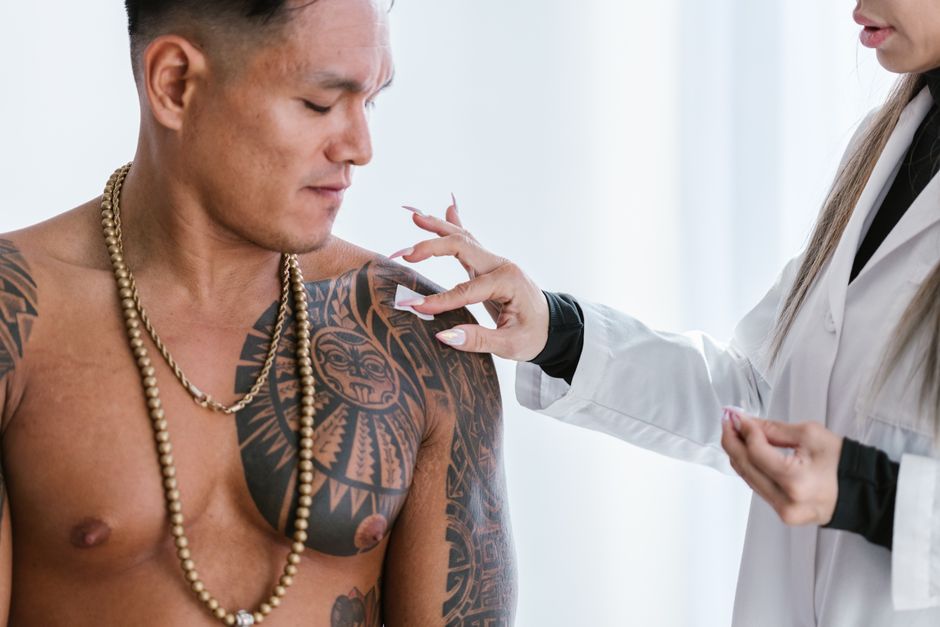
Getting a tattoo involves needles piercing your skin thousands of times, which causes bleeding. If you take blood thinners, that bleeding can be heavier and harder to control than it would be for someone not on these medications. The short answer is that most medical professionals advise against getting a tattoo while actively taking blood thinners, and many professional tattoo artists will refuse to work on you until you have stopped the medication under a doctor’s supervision.
Why Blood Thinners Affect the Tattoo Process
Blood thinners, also called anticoagulants and antiplatelet medications, do exactly what their name suggests. They slow down your body’s ability to form clots. This is a lifesaving effect for people with heart conditions, a history of stroke, or blood clotting disorders.
But that same effect creates real problems during a tattoo session. Every needle puncture opens a tiny blood vessel. Normally, your body seals those vessels quickly. On a blood thinner, that sealing process takes much longer. The result is more blood on the surface of your skin during the session, which can blur the tattoo artist’s view of their work.
Excess bleeding also pushes ink out of the skin before it can settle properly. This often leads to patchy, uneven lines that require touch-up sessions. Some artists report that tattoos done on thinners heal with less vibrant color because so much ink was washed away during the process.
Increased Risk of Bruising and Complications
Bruising is not just a cosmetic nuisance. When you bleed under the skin, the body responds with inflammation. That inflammation can distort the tattoo design as it heals. Large bruises around a fresh tattoo can also make it difficult to tell whether the tattoo itself is healing normally or showing signs of infection.
Heavier bleeding also increases the risk of scabbing. Scabs form when blood and plasma dry on the wound surface. Thick scabs can pull ink out of the skin when they fall off, leaving blank spots in the design. In some cases, scabbing can trap bacteria against the wound, increasing infection risk.
Infection is a serious concern for anyone getting a tattoo, but the stakes are higher for people on blood thinners. Many people taking these medications have underlying health conditions that already put them at higher risk for complications. An infected tattoo can require antibiotics, and in severe cases, hospitalization.
What the Guidelines Say About Tattoos and Blood Thinners
There is no single universal guideline that covers every blood thinner and every patient. However, the general clinical direction is consistent: elective procedures that cause bleeding should be postponed while on anticoagulant therapy. Tattooing is an elective procedure.
Some clinicians recommend pausing blood thinners before a tattoo, but this decision is never made by the patient alone. Stopping a blood thinner can be dangerous. For people who take them after a stroke or to prevent blood clots in the lungs, stopping the medication even briefly can trigger a life-threatening event.
The decision to pause medication must come from the prescribing doctor. That doctor weighs the risk of a blood clot against the risk of bleeding from the tattoo. In many cases, the doctor will simply advise against the tattoo entirely. In others, they may approve a temporary pause if the tattoo is important to the patient and the clotting risk is low.


How Long Do You Need to Stop Blood Thinners Before a Tattoo?
The timing depends entirely on which medication you take. Different blood thinners stay in your system for different lengths of time. Some medications, like warfarin, require several days to clear from the body. Others, like apixaban or rivaroxaban, clear more quickly.
There is no standard tattoo-specific timeline that applies to everyone. The doctor who prescribes your medication is the only person qualified to tell you when it is safe to stop and when it is safe to restart. Do not rely on advice from a tattoo artist or a friend who had a similar experience.
If your doctor approves a temporary pause, you will typically need to have blood tests or a clinical evaluation to confirm your blood is clotting normally again before the tattoo session. This is not a formality. It is a safety check that protects you from excessive bleeding during the procedure.
What About Aspirin or NSAIDs?
Aspirin and nonsteroidal anti-inflammatory drugs (NSAIDs) like ibuprofen also thin the blood, though they work differently than prescription anticoagulants. Many people do not think of these as blood thinners because they are available over the counter.
Aspirin is an antiplatelet drug. It stops platelets from clumping together, which is the first step in clot formation. Even low-dose aspirin, often called baby aspirin, has this effect. If you take aspirin daily for heart protection, the same bleeding risks apply during a tattoo.
Ibuprofen and similar NSAIDs also interfere with platelet function, though the effect is temporary and reverses once the drug leaves your system. If you take these occasionally for pain, you should tell your tattoo artist. Many artists ask clients to avoid ibuprofen for 24 to 48 hours before a session.
Acetaminophen, sold under brand names like Tylenol, does not thin the blood. If you need pain relief before a tattoo and you are not on prescription blood thinners, acetaminophen is generally the safer choice. But always confirm this with your doctor if you have any underlying health conditions.
What to Tell Your Tattoo Artist
Honesty with your tattoo artist is not optional. Artists are not medical professionals, but they are trained to recognize situations that carry extra risk. Many studios have policies requiring clients to disclose all medications before a session.
If you are on a blood thinner, tell the artist before you book. Do not wait until the day of the appointment. This gives you time to consult your doctor and make an informed decision. Some artists will refuse the session outright if you are on blood thinners. That refusal is not rudeness. It is a professional judgment based on the artist’s experience with poor healing and excessive bleeding in these clients.
If your doctor has approved a temporary pause and you have clearance, bring documentation if you have it. A note from your doctor confirming you are cleared for the procedure protects both you and the artist.
Alternatives to Consider
If your doctor advises against stopping your blood thinner, you still have options for body art. Temporary tattoos have improved significantly in quality in recent years. High-quality temporary tattoos can last one to two weeks and look remarkably realistic.
Henna tattoos are another alternative. Traditional henna stains the top layers of skin and does not involve needles or bleeding. However, be cautious about “black henna” products, which sometimes contain a chemical called PPD that can cause severe allergic reactions. Stick with natural brown or reddish henna from a reputable source.
If permanent ink is non-negotiable for you, discuss the timeline with your doctor. Some people delay tattoos until a time when their medication can be safely adjusted. This is not a quick process. It may take months of planning and coordination with your healthcare team.
Frequently Asked Questions
Can you get a tattoo while taking blood thinners?
Most medical professionals advise against it because blood thinners increase bleeding and complicate healing. You should consult your prescribing doctor before making any decision.
How long should I stop blood thinners before a tattoo?
There is no universal timeline because different medications clear from the body at different rates. Only your prescribing doctor can determine a safe pause duration for your specific medication.
Can I take aspirin before getting a tattoo?
Aspirin thins the blood and increases bleeding risk during a tattoo. If you take daily aspirin for heart protection, do not stop it without consulting your doctor first.
Do tattoo artists refuse clients on blood thinners?
Many professional tattoo artists will refuse to tattoo clients who are actively taking blood thinners. This is a safety decision based on the higher risk of excessive bleeding and poor healing.
