
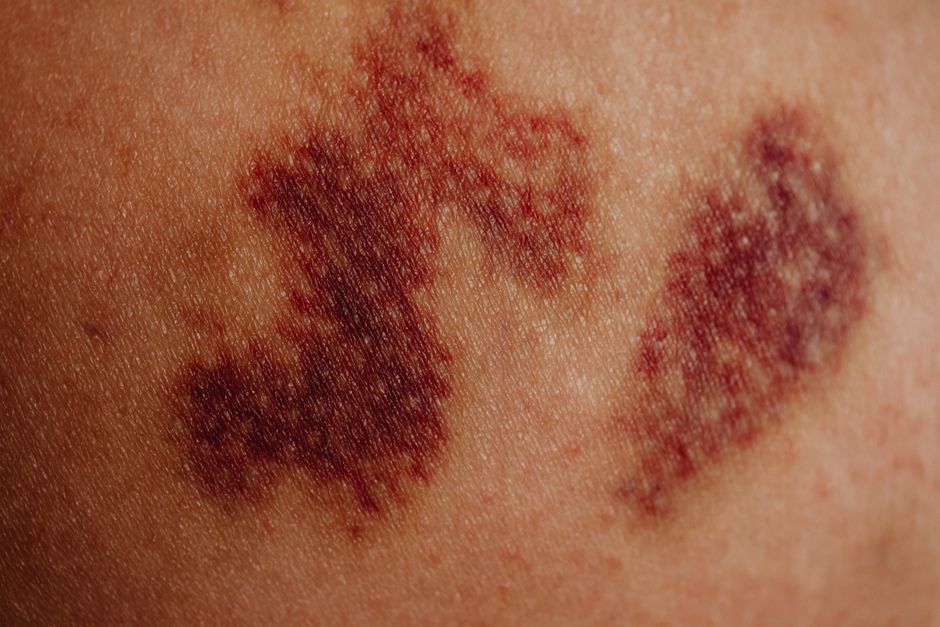
Yes, you can get a blood clot in your thigh, and it is a serious medical situation. A blood clot that forms in a deep vein in the thigh is called a deep vein thrombosis (DVT). The most common signs include swelling in one leg, pain or tenderness that feels like cramping, and skin that is warm to the touch. Recognizing these signs matters because a clot in the thigh can break loose and travel to the lungs, which is a life-threatening emergency called a pulmonary embolism.
What Is a Blood Clot in the Thigh?
A blood clot in the thigh forms inside a deep vein. These veins are located deep within the muscle tissue, not near the surface of the skin. The medical name for this condition is deep vein thrombosis, or DVT.
The thigh is one of the most common places for a DVT to develop. The large veins in this area, such as the femoral and popliteal veins, carry a significant amount of blood back to the heart. When blood flow slows down or stops in these veins, blood cells can clump together and form a clot.
Not all blood clots are the same. A clot in a superficial vein near the skin surface is called superficial thrombophlebitis. This type is usually less dangerous. A clot in a deep vein, however, carries a higher risk because it is larger and more likely to break free.
What Are the First Signs of a Blood Clot in the Thigh?
The signs of a thigh DVT often appear in one leg only. Both legs being affected at the same time is uncommon.
- Swelling: The entire leg may swell, or just the thigh and calf. The swelling often develops over hours or days.
- Pain: The pain is often described as a deep ache or cramp. It may feel like a charley horse that does not go away.
- Warmth: The skin over the clot may feel warmer than the skin on the other leg.
- Skin color changes: The leg may look red or have a bluish tint compared to the other leg.
- Tenderness: Pressing on the area may cause pain, even if you were not aware of the area being injured.
Some people with a DVT have no symptoms at all. The clot is only discovered when it causes a complication or is found during an imaging test for another reason.
What Does a Blood Clot in the Thigh Feel Like?
People who have experienced a thigh DVT often describe the feeling as a persistent, deep soreness that is not relieved by stretching or changing position. It is different from a pulled muscle because it does not improve with rest and is not linked to a specific injury.
The pain can range from mild to severe. Some people feel a throbbing sensation in the thigh. Others report that the leg feels heavy or full.
If the pain is accompanied by swelling and warmth, the likelihood of a clot increases significantly. A pulled muscle typically causes pain with movement but does not usually cause the entire leg to swell.





Can You Get a Blood Clot in Your Thigh Signs Risks: Who Is at Risk?
Certain situations increase the risk of developing a thigh blood clot. The risk is highest when blood flow slows down, blood becomes thicker, or the vein wall is damaged.
- Prolonged immobility: Sitting for long periods, such as on a long flight or car trip, or being bedridden after surgery slows blood flow in the legs.
- Surgery: Major surgery, especially on the hips, knees, or abdomen, increases risk. Anesthesia causes blood vessels to widen, which slows blood flow.
- Injury: Trauma to the leg, such as a fracture or severe bruise, can damage the vein wall and trigger clot formation.
- Cancer: Some cancers and cancer treatments increase the blood’s tendency to clot.
- Hormonal factors: Birth control pills, hormone replacement therapy, and pregnancy raise estrogen levels, which can increase clotting risk.
- Age: The risk rises after age 60, though younger people can also develop clots.
- Obesity: Excess weight puts pressure on the veins in the pelvis and legs.
- Family history: Inherited clotting disorders, such as Factor V Leiden, make some people more prone to clots.
Having one or more of these risk factors does not mean you will get a clot. It means your baseline risk is higher than someone without these factors.
When Is a Thigh Blood Clot an Emergency?
A thigh clot becomes an emergency when it breaks free and travels to the lungs. This condition is called a pulmonary embolism. It blocks blood flow to part of the lung and can be fatal.
Seek emergency care immediately if you have any of these symptoms:
- Sudden shortness of breath
- Chest pain that worsens with deep breathing or coughing
- Rapid heart rate
- Coughing up blood
- Lightheadedness or fainting
Do not wait to see if these symptoms pass. A pulmonary embolism requires immediate medical treatment.
Even without these symptoms, a swollen, painful leg should be evaluated by a doctor promptly. The clot can be treated before it causes a complication.
How Is a Blood Clot in the Thigh Diagnosed?
Doctors use several tests to diagnose a DVT. The most common and reliable test is a duplex ultrasound. This test uses sound waves to create an image of the blood flow in your veins. It is painless and does not involve radiation.
The ultrasound can show whether blood is flowing normally or whether a clot is blocking the vein. It can also show how large the clot is and where it is located.
In some cases, a doctor may order a blood test called a D-dimer test. This test measures a substance in the blood that is released when a clot breaks down. A negative D-dimer test makes a clot unlikely. A positive test does not confirm a clot, because many other conditions can raise D-dimer levels.
How Is a Blood Clot in the Thigh Treated?
Treatment for a thigh DVT focuses on two goals: preventing the clot from growing and preventing it from traveling to the lungs.
The standard treatment is blood thinners, also called anticoagulants. These medications do not dissolve the clot. They prevent new clots from forming and keep the existing clot from growing. The body’s own mechanisms gradually break down the clot over time.
Blood thinners are usually taken for at least three months. The exact duration depends on the cause of the clot, its size, and your personal risk factors. Some people need to take them for longer.
In more severe cases, a doctor may use clot-dissolving medications called thrombolytics. These are reserved for large clots that cause severe symptoms or threaten the limb. Thrombolytics carry a higher risk of bleeding and are not used for every patient.
Compression stockings are often recommended after a DVT. These stockings apply gentle pressure to the leg, which helps reduce swelling and may prevent a long-term complication called post-thrombotic syndrome. This condition causes chronic pain, swelling, and skin changes in the affected leg.
Can You Prevent a Blood Clot in the Thigh?
Many cases of DVT can be prevented. The strategies are simple but require consistency.
If you sit for long periods, stand up and walk every hour or two. When you cannot stand, flex and extend your ankles and knees regularly. This movement activates the calf muscles, which helps pump blood back toward the heart.
Stay hydrated. Dehydration thickens the blood slightly, which can increase clotting risk.
If you are having surgery, your doctor may recommend blood thinners or compression devices during and after the procedure. These measures are routine for many types of surgery.
Maintaining a healthy weight and staying physically active reduce your overall risk. These habits improve blood flow and reduce pressure on the veins in your legs.
What Happens After a Blood Clot?
Most people recover fully from a thigh DVT. The clot dissolves or shrinks, and blood flow returns to normal. However, some people experience long-term effects.
Post-thrombotic syndrome is the most common long-term complication. It occurs when the vein walls are damaged by the clot. Symptoms include chronic leg swelling, pain, and skin discoloration. In severe cases, the skin may break down and form ulcers.
The risk of developing another clot is also higher after a first DVT. Your doctor will assess your risk and may recommend long-term blood thinners if the risk is high.
Frequently Asked Questions
Can a blood clot in the thigh go away on its own?
No, a deep vein clot will not reliably go away on its own and can be dangerous without treatment. The body may slowly break down small clots, but a thigh clot carries a real risk of traveling to the lungs and requires medical evaluation.
How long does it take for a thigh blood clot to dissolve?
With blood thinner treatment, the body typically breaks down the clot over several weeks to months. The exact timeline varies by clot size, location, and individual health factors.
Can walking make a blood clot in the thigh worse?
Walking does not make a diagnosed clot worse, and gentle movement is generally encouraged once treatment has started. However, do not exercise an undiagnosed painful, swollen leg without seeing a doctor first.
Is a blood clot in the thigh always painful?
No, some thigh clots cause no symptoms at all. This is why a clot can go unnoticed until it causes a pulmonary embolism.
