
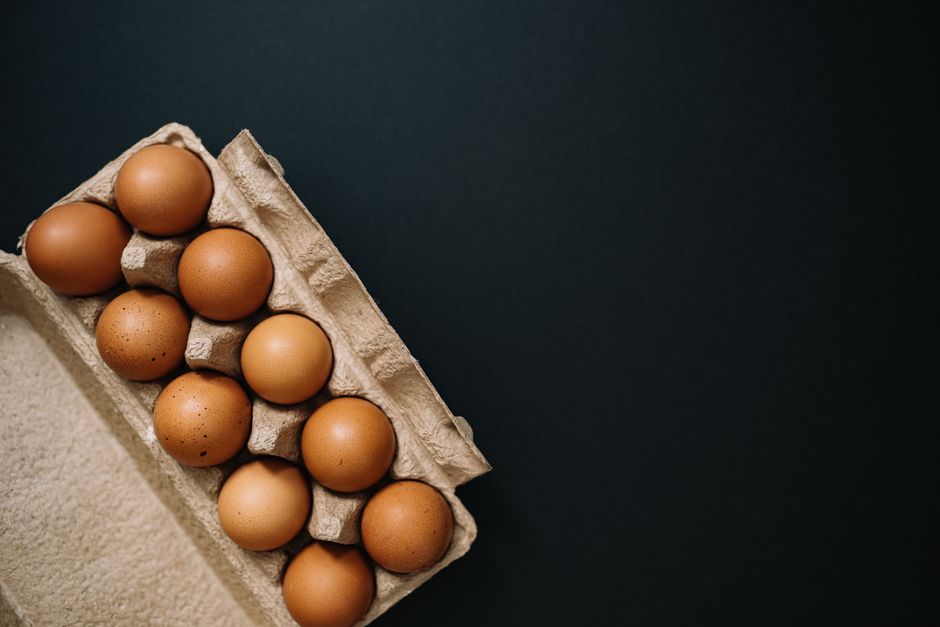
You can tell if eggs are bad using a few simple checks. The most reliable method is the float test, but you should also use your senses of smell and sight. A bad egg has a distinct sulfur smell and may have an unusual appearance when cracked open. Trust your senses — if something seems off, throw the egg out.
How To Tell Eggs Bad? Step by Step
Start with the float test. Fill a bowl with cold water and gently place the egg in it. A fresh egg will sink and lie flat on its side. An egg that stands upright on the bottom is older but still safe to eat. An egg that floats to the surface is bad and should be discarded.
The science behind this is simple. Eggshells are porous. As an egg ages, it loses moisture and carbon dioxide through tiny pores in the shell. The contents shrink and the air cell at the wide end grows larger. A larger air cell means more buoyancy, which is why older eggs float.
This test is not perfect. A floating egg is almost certainly bad, but a sinking egg is not always good. Use the float test as your first step, not your only step.
What Does a Bad Egg Smell Like?
Crack the egg into a clean bowl or plate. Smell it immediately. A fresh egg has almost no odor. A bad egg has a strong, unmistakable sulfur smell — often described as rotten eggs or flatulence. This odor comes from hydrogen sulfide gas produced as the egg decomposes.
Trust your nose. If the smell is unpleasant in any way, discard the egg. Do not taste it to check. The smell is the most reliable indicator of spoilage once the egg is open.
Some people describe the smell as “farty” or “like a sewer.” If you get any hint of that, the egg is not safe to eat. Wash the bowl thoroughly with hot soapy water afterward.
What Does a Bad Egg Look Like?
Examine the egg white and yolk after cracking. A fresh egg has a thick, cloudy white and a firm, domed yolk that sits high. An older egg has a thinner, more watery white that spreads widely. The yolk may be flatter and break more easily.
Discoloration is a red flag. Look for pink, green, or iridescent spots in the white. These indicate bacterial growth. A greenish-gray ring around a hard-boiled yolk is different — that is a harmless reaction between iron and sulfur from overcooking.
Blood spots or meat spots are not signs of spoilage. These are small imperfections that occur when a blood vessel ruptures during egg formation. They are safe to eat, though many people prefer to remove them.





Does the Egg Carton Date Tell You Anything?
Egg cartons in the United States carry two types of dates. The sell-by date indicates how long the store should display the eggs. The pack date is a three-digit number representing the day of the year the eggs were packed, from 001 for January 1 to 365 for December 31.
Eggs are generally safe to eat for 3 to 5 weeks after the pack date. This assumes they have been refrigerated continuously. The sell-by date is not an expiration date. Many eggs are perfectly fine for a week or more past the sell-by date.
Even with date labels, your senses matter more. Dates are guidelines, not guarantees. A properly refrigerated egg can spoil before its date, and an egg can remain safe past its date if stored well.
How Long Do Eggs Last in the Refrigerator?
Fresh eggs in the shell last about 4 to 5 weeks in the refrigerator. They should be stored in their original carton on an interior shelf, not in the refrigerator door. The door experiences temperature fluctuations every time it opens, which speeds up spoilage.
Hard-boiled eggs last about one week in the refrigerator. Keep them in a covered container. Peeled hard-boiled eggs should be eaten within a few days.
Raw egg whites and yolks that have been separated from the shell last 2 to 4 days in the refrigerator. Store them in airtight containers. Raw eggs left at room temperature should be used within 2 hours, or 1 hour if the room is warm.
Frozen eggs can last up to a year. Crack the eggs, beat them lightly, and freeze in an airtight container. Do not freeze eggs in their shells — the liquid expands and the shells crack.
Can You Eat Eggs Past the Expiration Date?
Yes, in most cases. The expiration date on an egg carton is a quality indicator, not a safety deadline. Eggs stored properly in the refrigerator can be safe to eat for several weeks past this date.
The key is proper storage. Eggs must remain refrigerated at or below 40°F (4°C). Temperature fluctuations encourage bacterial growth, particularly Salmonella. If eggs have been left out for more than 2 hours, discard them.
Use the float test, the smell test, and the visual test together. If the egg passes all three, it is likely safe. If you are uncertain, throw it out. The cost of one egg is far less than the cost of food poisoning.
Why Do Eggs Spoil?
Eggs spoil through two main processes: bacterial growth and chemical changes. Salmonella is the primary bacterial concern with eggs. It can be present on the shell or inside the egg itself. Refrigeration slows bacterial growth but does not stop it entirely.
Chemical changes also occur over time. The egg white becomes thinner and more alkaline. The yolk absorbs water from the white and becomes weaker. These changes affect texture and flavor but do not necessarily make the egg unsafe.
The protective coating on the shell, called the bloom or cuticle, helps keep bacteria out. This is why unwashed eggs from backyard chickens can sit at room temperature for a time, while commercial eggs — which are washed — must be refrigerated. In the United States, commercial eggs are washed and sprayed with a light mineral oil to replace some of that protection.
Is It Safe to Eat Eggs With Cracked Shells?
Do not eat eggs with cracked shells. A crack in the shell allows bacteria to enter the egg. This is true even if the crack is small or the egg looks otherwise fine.
The exception is eggs that crack during hard boiling. If you are boiling eggs and one cracks, the egg is still safe as long as the cooking process was continuous and the egg was fully cooked. The boiling temperature kills bacteria.
If you buy eggs and find cracks in the carton, return them or discard them. Do not use cracked eggs in recipes that require raw or lightly cooked eggs, such as homemade mayonnaise or hollandaise sauce.
How to Store Eggs to Keep Them Fresh Longer
Keep eggs in their original carton. The carton protects them from absorbing strong odors from other foods and prevents moisture loss. Store them on an interior shelf where the temperature is most stable.
Do not wash eggs before storing them. Washing removes the protective bloom and makes the shell more porous to bacteria. Commercial eggs are already washed and coated before they reach the store.
Keep eggs away from strong-smelling foods like onions or fish. Eggshells are porous and can absorb odors, which affects flavor. The carton helps with this, but it is not a complete barrier.
Do not store eggs in the refrigerator door. The door is the warmest part of the refrigerator and experiences the most temperature fluctuation. The middle or lower shelves are colder and more consistent.
Frequently Asked Questions
How long can eggs sit out at room temperature?
Eggs should not sit out for more than 2 hours at room temperature. Discard eggs left out longer, as bacteria can multiply rapidly at room temperature.
Can you get sick from eating a bad egg?
Yes, eating a spoiled egg can cause food poisoning with symptoms like nausea, vomiting, and diarrhea. Salmonella is the most common bacterial risk associated with eggs.
Do eggs go bad faster if you wash them?
Yes, washing eggs removes the protective bloom on the shell. This makes it easier for bacteria to enter the egg through its pores.
What is the most reliable way to test if an egg is bad?
The smell test after cracking is the most reliable method. A bad egg has a strong sulfur odor that is hard to miss. The float test is a good first check but is not conclusive on its own.
