
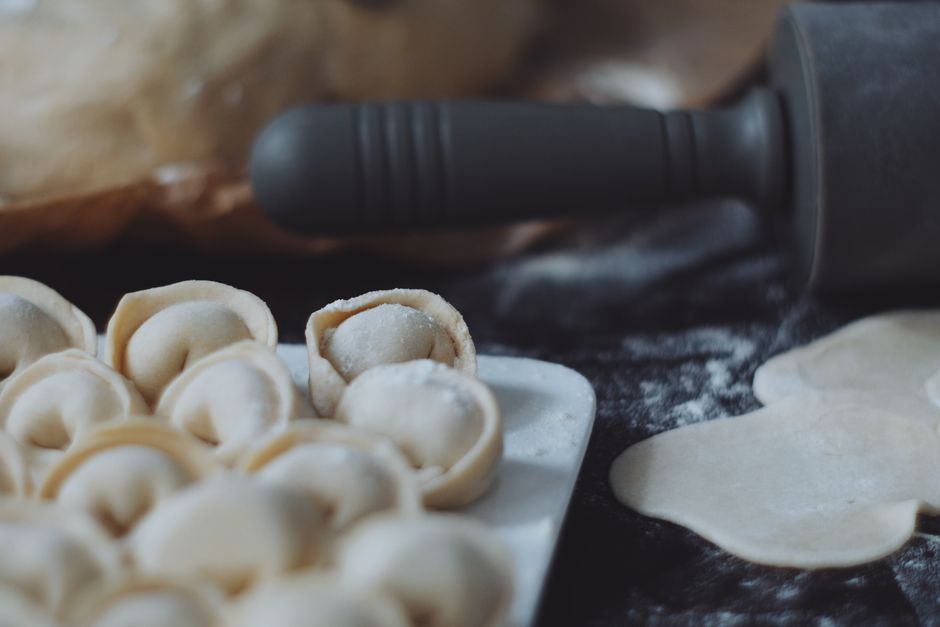
Yes, fresh pasta freezes very well. In fact, freezing is the best way to keep fresh pasta on hand for busy weeknights. The key is to freeze it properly so the pieces do not stick together or crack. With a few simple steps, you can freeze fresh pasta for up to two months and cook it straight from the freezer.
Why Freeze Fresh Pasta at All?
Fresh pasta is a perishable food. Unlike dried pasta from a box, fresh pasta contains eggs and moisture. This makes it more delicate and gives it a shorter shelf life. Even in the refrigerator, fresh pasta only lasts a couple of days.
Freezing stops the clock. It locks in the texture and flavor at their peak. This is useful whether you made a large batch of tagliatelle by hand or bought fresh fettuccine from the refrigerated section of the grocery store.
Freezing also saves time. You can make a big batch of pasta dough on a Sunday and have fresh pasta ready for several meals over the next two months. The texture after cooking is remarkably close to fresh pasta that was never frozen.
Can You Freeze Fresh Pasta Dough Instead?
Yes, you can freeze the dough itself. This is the simplest option if you want to roll and cut the pasta later. Wrap the dough tightly in plastic wrap, then place it in a freezer bag. It will keep for about one month.
When you are ready to use it, thaw the dough in the refrigerator overnight. Let it sit at room temperature for about 30 minutes before rolling. The dough will roll out just like fresh dough, though it may need a dusting of flour if it feels sticky.
Freezing the dough is a good option, but freezing the cut pasta has a clear advantage. The pasta is already shaped and ready to drop into boiling water. That is the fastest path from freezer to dinner plate.
How to Freeze Fresh Pasta the Right Way
The single most important step is to freeze the pasta pieces individually before bagging them. If you toss a pile of fresh fettuccine into a freezer bag and freeze it, you will end up with one solid block of pasta. It will break into pieces when you try to separate it.
Here is the method that works reliably:
- Cut or shape the pasta as you normally would.
- Dust the pasta lightly with flour or semolina. This absorbs surface moisture and helps prevent sticking.
- Lay the pasta in a single layer on a baking sheet lined with parchment paper. Make sure the pieces are not touching each other.
- Place the baking sheet in the freezer for one to two hours, until the pasta is firm.
- Transfer the frozen pasta to a freezer-safe bag or container.
- Press out as much air as possible before sealing the bag.
- Label the bag with the date and the type of pasta.
Nested shapes like ravioli or tortellini follow the same rule. Freeze them on a tray first, then transfer to a bag. This keeps them from sticking to each other and prevents the filling from leaking through the dough.





How Long Can Fresh Pasta Stay in the Freezer?
Frozen fresh pasta is best used within two months. After that point, the quality slowly declines. The pasta may develop freezer burn or absorb odors from the freezer. It will still be safe to eat, but the texture may not be as good.
Freezer burn happens when air reaches the surface of the food. This dries out the pasta and creates tough, grayish spots. A tight seal on your freezer bag or container is the best defense against this.
If you use a vacuum sealer, the pasta can last longer. Removing all air extends the quality window to about three months. This is a nice option if you have the equipment, but it is not required.
Do You Need to Thaw Frozen Fresh Pasta Before Cooking?
No. Cook frozen fresh pasta directly from the freezer. Thawing first makes the pasta mushy and increases the chance it will stick together or fall apart.
This is one of the great conveniences of freezing fresh pasta. You do not need to plan ahead. Just bring a pot of salted water to a rolling boil, add the frozen pasta, and stir gently.
Frozen fresh pasta cooks slightly faster than dried pasta but slightly slower than fresh pasta that was never frozen. The exact cooking time depends on the thickness of the pasta. Start checking for doneness at about two minutes for thin shapes like angel hair and three to four minutes for thicker shapes like pappardelle.
Taste a piece to check for doneness. Frozen pasta can take a minute or two longer than fresh pasta. The pasta is ready when it is tender but still has a slight bite to it, which is the Italian term al dente.
What About Freezing Cooked Fresh Pasta?
Cooked fresh pasta does not freeze well. The texture changes significantly. When you freeze and reheat cooked pasta, it becomes soft and mushy. The structure of the noodles breaks down during the freeze-thaw cycle.
If you have cooked too much pasta, your best option is to store it in the refrigerator for a day or two. Toss it with a little olive oil to keep it from sticking together. Reheat it quickly in a skillet or in the microwave.
If you absolutely must freeze cooked pasta, undercook it by about a minute. Freeze it in single portions on a tray, then transfer to a bag. When reheating, add a splash of water or sauce to help restore moisture. Expect the texture to be softer than freshly cooked pasta.
Does Egg Pasta Freeze Differently Than Eggless Pasta?
Egg pasta freezes slightly better than eggless pasta. The fat from the eggs helps protect the structure of the dough during freezing. Egg pasta also holds its shape more reliably when cooked from frozen.
Eggless pasta, which is made only from flour and water, is more delicate. It can become brittle in the freezer. Handle it gently and be careful not to crack the noodles when transferring them from the tray to the bag.
Both types freeze successfully. The method is identical. Just be a bit more careful with the eggless varieties.
What Is the Best Way to Store Frozen Pasta in the Freezer?
Place the sealed bag flat in the freezer. A flat shape thaws and cooks more evenly than a lumpy bag. It also stacks more easily with other frozen foods.
Keep the pasta away from the freezer door. The door experiences temperature fluctuations every time you open it. The back of the freezer maintains a more consistent temperature, which is better for the pasta.
Write the date clearly on the bag. It is easy to forget how long something has been in the freezer. A permanent marker and a few seconds of effort will save you from guessing later.
Frequently Asked Questions
Can you freeze fresh pasta from the grocery store?
Yes. Fresh pasta from the refrigerated section freezes well using the same tray-freeze method. Check the sell-by date and freeze it as soon as possible for the best quality.
Should you flour fresh pasta before freezing?
Yes. A light dusting of flour or semolina absorbs surface moisture and helps prevent the pieces from sticking together. Shake off the excess before cooking.
Can you freeze fresh pasta in sauce?
It is not recommended. The pasta absorbs liquid from the sauce and becomes mushy when reheated. Freeze the pasta and sauce separately for better texture.
How long does frozen fresh pasta last?
Frozen fresh pasta is best used within two months. It remains safe to eat beyond that, but the texture and flavor decline as freezer burn develops.
