
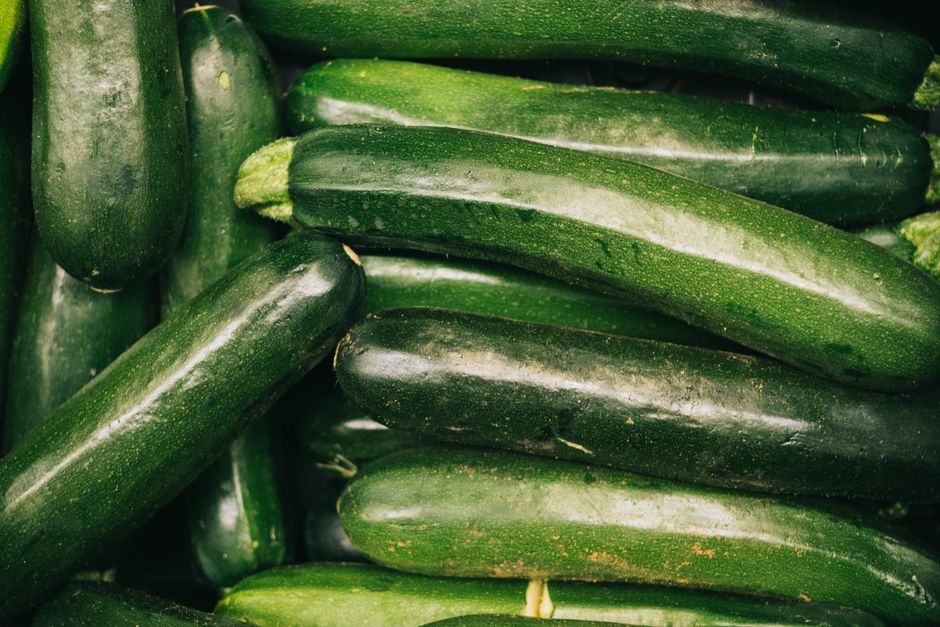
Yes, you can eat fresh zucchini. It is a summer squash that people around the world eat raw, cooked, baked, and grilled. The whole vegetable is edible, including the skin, flesh, seeds, and even the blossoms. Zucchini is low in calories and a reasonable source of several vitamins and minerals. The main things worth knowing are how to store it, when to avoid bitter fruit, and a few safety points about cooking and raw preparation.
What Is Zucchini Exactly?
Zucchini is a variety of Cucurbita pepo, the same species that gives us many pumpkins and winter squashes. It is harvested young and eaten as a vegetable, though botanically the fruit is a botanical berry. In the US it is usually green, though yellow and striped varieties exist.
Unlike winter squash, zucchini is picked while the rind is still soft and the seeds are small. That is why you can eat it skin and all. The flesh is mild and slightly sweet. It takes on the flavor of whatever you cook it with, which is why it works in everything from stir-fries to quick breads.
People often ask whether zucchini and courgette are the same thing. They are. Courgette is the French and British name for the same vegetable. The word zucchini comes from Italian.
Is Raw Zucchini Safe to Eat?
Raw zucchini is safe for most healthy adults. It is commonly sliced into salads or spiralized into “zoodles” and eaten uncooked. The flesh is firm enough to hold its shape but tender enough to chew without trouble.
There are two practical points. First, raw zucchini has a mild, sometimes slightly bitter taste that not everyone enjoys. Salting sliced zucchini and letting it sit for a few minutes draws out some water and softens the texture. Second, very large zucchini have tougher skin and bigger seeds that can be unpleasant raw.
Raw zucchini is not a common cause of foodborne illness compared with leafy greens or sprouts. Still, any produce eaten raw should be washed under running water before preparation. The FDA advises rinsing produce even when you plan to peel it, because contaminants on the outside can transfer to the flesh when you cut through it.
Can You Eat Fresh Zucchini? Nutrition and What It Actually Provides
Zucchini is mostly water. That is not a criticism. It means the vegetable is low in calories and filling for its volume, which makes it useful in meals where you want more bulk without much energy.
According to USDA nutritional data, one cup of raw, sliced zucchini with the skin on (about 113 grams) provides roughly:
- About 19 calories
- About 1.4 grams of protein
- About 3.8 grams of carbohydrate
- About 1.2 grams of fiber
- Around 295 milligrams of potassium
- Small amounts of vitamin C, vitamin B6, and manganese
Zucchini is not a standout source of any single nutrient. It contributes modest amounts of vitamin C and potassium, and the skin adds some fiber and carotenoids. The vegetable’s real value is as a low-calorie way to add volume, moisture, and texture to meals. Treating it as a “superfood” overstates what the data shows.
One clarification worth making: the potassium in zucchini is real but modest. A medium banana has more. Zucchini is a helpful addition for people watching potassium intake, not a primary source.




Why Does Zucchini Sometimes Taste Bitter?
Bitter zucchini is a genuine safety concern, not just a flavor problem. All squash plants produce compounds called cucurbitacins, which are toxic in high amounts. Normally cultivated zucchini contains very little. Under stress from certain growing conditions, or when a plant cross-pollinates with a wild or ornamental squash, cucurbitacin levels can rise sharply.
This is not a common event. But it has caused documented cases of severe vomiting, diarrhea, and abdominal pain in people who ate extremely bitter squash. The cucurbitacin concentration in a badly affected fruit can be high enough to cause real illness after a normal serving.
The practical rule is simple: if a zucchini tastes sharply bitter, spit it out and throw the rest away. Do not try to “fix” it with cooking or seasoning. Heat does not reliably destroy cucurbitacins. A mild bitterness can come from other factors, but a strong, unpleasant, lingering bitterness is the warning sign. Home gardeners who save their own seed and grow squash near ornamental gourds are at higher risk of this, because cross-pollination is more likely.
How Should You Store Fresh Zucchini?
Fresh zucchini keeps best in the refrigerator, unwashed, in a loosely closed plastic bag or a produce drawer. Wash it just before you use it. Moisture on the skin speeds spoilage, so drying it before storage helps.
Most zucchini stays good for about one to two weeks in the fridge, depending on how fresh it was when you bought it. Smaller, younger zucchini tend to last longer than large ones. Check for soft spots, mold, or a slimy feel. Those are signs it has gone bad.
Do not store zucchini at room temperature for long. It is a warm-season vegetable but it does not keep well on the counter. Cooler temperatures slow the decline. Freezing is an option, though the texture changes. Frozen zucchini releases a lot of water when thawed, so it works better in soups, stews, and baked goods than in dishes where you want firm slices.
Does Cooking Zucchini Change Anything Important?
Cooking zucchini reduces its volume and softens the flesh. It also lowers the vitamin C content somewhat, because vitamin C is heat-sensitive. That is true of most vegetables. If you want to preserve more vitamin C, shorter cooking times and lower heat help.
Grilling, roasting, and sautéing all work well. Zucchini holds a lot of water, so it can turn soggy if you crowd the pan or cook it too long. Salting sliced zucchini and patting it dry before cooking reduces the water released and gives a better texture. This is a cooking technique, not a health claim.
One point that gets repeated online is that cooking zucchini destroys its nutrients entirely. That is not accurate. Some vitamins decline with heat, but the fiber, minerals, and most of the vegetable’s bulk remain. Raw and cooked zucchini both fit into a healthy diet.
Is Zucchini Safe for Everyone?
For most people, zucchini is well tolerated. It is low in FODMAPs, which means it is generally suitable for people following a low-FODMAP diet for irritable bowel syndrome, though portion size matters. Some people with sensitive digestion find raw zucchini harder to handle than cooked.
People with kidney disease who are told to limit potassium should check with their clinician before eating large amounts, since zucchini does contain potassium. The amount is modest per serving, but dietary limits are individual.
Zucchini is not a common allergen. Allergic reactions to zucchini are rare but have been reported, mostly in people with existing pollen allergies, because of cross-reactivity between certain plant proteins. Anyone who reacts to related foods such as melons or cucumbers should be alert to the possibility.
There are no clinical guidelines for feeding zucchini to infants as a first food beyond general guidance on introducing single-ingredient vegetables. If you are introducing solids, follow your pediatrician’s advice rather than any specific claim about zucchini.
Does Zucchini Have Any Proven Health Benefits?
Zucchini is a healthy vegetable, but the evidence for specific health benefits is thin. No large human trials have shown that eating zucchini prevents or treats any particular disease. It fits into a balanced diet because it is low in calories and adds fiber, water, and some micronutrients.
Claims that zucchini “detoxes” the body or “boosts metabolism” are not supported by clinical evidence. The body handles waste through the liver and kidneys. No single vegetable performs that job.
What the evidence does support is the general pattern: diets high in vegetables are associated with lower risk of several chronic diseases. Zucchini is one useful vegetable among many. It is not special compared with other vegetables, and that is fine. Most of what makes a diet healthy is the overall pattern, not any one food.
Frequently Asked Questions
Can you eat zucchini raw?
Yes, raw zucchini is safe for most healthy adults and is often eaten in salads or spiralized. Wash it first and avoid any fruit that tastes sharply bitter.
Is zucchini skin safe to eat?
Yes, the skin is edible and contains some fiber and carotenoids. Just wash the outside thoroughly before eating it.
Why does my zucchini taste bitter?
Strong bitterness can signal high levels of cucurbitacins, which are toxic in large amounts. If a zucchini tastes sharply bitter, spit it out and discard the rest rather than cooking it.
How long does fresh zucchini last in the fridge?
Most zucchini keeps for about one to two weeks when stored unwashed in a loosely closed bag in the refrigerator. Check for soft spots or mold before eating.
