
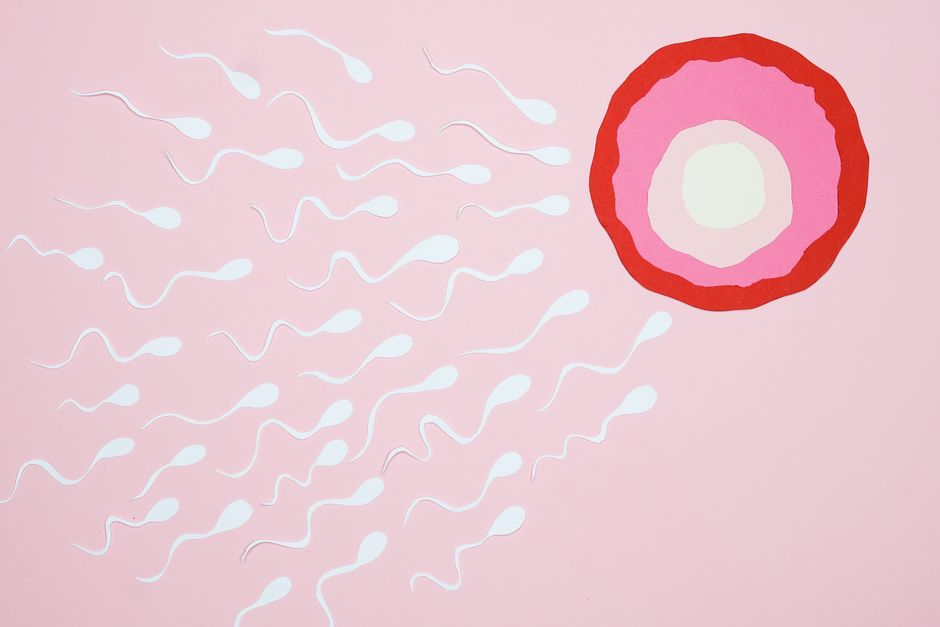
Thicker, healthier sperm starts with your daily habits. Diet, exercise, and avoiding toxins all play a real role in semen quality. Zinc is one of the most studied nutrients for male fertility, but it is not a magic bullet. No single food or supplement will fix poor sperm health on its own. The evidence points to a consistent pattern: a balanced diet, a healthy weight, and avoiding smoking and excessive alcohol give you the best chance of improving sperm quality.
What Does Sperm Thickness Actually Mean?
Sperm thickness is not the same as sperm count. When men talk about thick sperm, they usually mean semen volume or consistency. Semen is the fluid that carries sperm. It is made up of fluid from the prostate, seminal vesicles, and other glands.
Thick, clumpy semen can sometimes be a sign of dehydration or low ejaculation frequency. But it can also indicate an infection or inflammation in the reproductive tract. Thin, watery semen may suggest a low sperm count or low fructose levels from the seminal vesicles.
The medical term for abnormally thick semen is hyperviscosity. Studies suggest that about 10 to 30 percent of men evaluated for infertility have hyperviscosity. This thick fluid can trap sperm and make it harder for them to swim toward the egg. But the link between semen viscosity and fertility outcomes is not fully settled. Some research shows a clear effect. Other studies find no significant difference in pregnancy rates.
How To Make Your Sperm Thicker Diet Zinc And More
The honest answer is that you cannot directly control the thickness of your semen with a single food. But you can support the glands that produce semen and the cells that make sperm. A diet rich in certain nutrients gives your body the building blocks it needs.
Zinc is the most researched mineral for male fertility. Your body uses zinc to create the outer layer and tail of sperm. It also plays a role in testosterone production. The recommended daily allowance for adult men is 11 milligrams. Food sources include oysters, beef, crab, pumpkin seeds, and lentils.
Some research suggests that men with low zinc levels have lower sperm quality. But taking high-dose zinc supplements does not automatically improve sperm in men with normal levels. One study found that zinc supplementation improved sperm count in men with low baseline levels. Men with normal levels did not see the same benefit.
Do not exceed 40 milligrams of zinc per day from all sources. Higher doses can cause copper deficiency and other health problems. If you are considering a supplement, talk to your doctor first.
Which Foods Support Thicker Semen and Sperm Health
No single food will transform your sperm. But certain nutrients have consistent evidence behind them. Here is what the research supports:
- Antioxidants like vitamin C, vitamin E, and selenium protect sperm from oxidative damage. Citrus fruits, berries, nuts, and leafy greens are good sources.
- Omega-3 fatty acids found in fatty fish like salmon and sardines support sperm membrane health.
- Folate from leafy greens and legumes is involved in sperm DNA production.
- Coenzyme Q10 helps with energy production in sperm cells. It is found in meat, fish, and whole grains.
- L-carnitine is concentrated in the epididymis, where sperm mature. Red meat and dairy are dietary sources.
One large study published in the journal Fertility and Sterility followed men who ate a diet rich in fruits, vegetables, whole grains, fish, and legumes. These men had higher sperm counts and better sperm motility than men who ate a diet heavy in red meat, processed foods, and sugary drinks.
Hydration matters too. Semen is about 90 percent water. Chronic dehydration can make semen thicker and more difficult for sperm to move through. Aim for adequate fluid intake throughout the day. Your urine color is a simple guide. Pale yellow means you are likely well hydrated.




What the Research Says About Supplements
The supplement market for male fertility is large and poorly regulated. Many products claim to boost sperm health without solid evidence. Some supplements do have research behind them. Others are marketing noise.
Zinc has the strongest evidence for men with confirmed deficiency. Selenium is another mineral with some supporting data. One study found that men who took selenium and vitamin E together had improved sperm motility. But the same study also noted that high doses of vitamin E may not be safe for everyone.
Coenzyme Q10 has shown promise in small trials. A 2019 review of multiple studies found that CoQ10 supplementation improved sperm count and motility in men with low baseline sperm quality. The effect was modest.
L-carnitine is commonly recommended by fertility specialists. Some studies show improvement in sperm motility. Others show no benefit. The evidence is mixed.
Here is the key point: supplements work best when you have a specific deficiency. They do not compensate for a poor diet, smoking, or excessive alcohol. If you eat a balanced diet, your body likely gets most of what it needs.
Lifestyle Factors That Affect Sperm Quality
Diet is only part of the picture. Several lifestyle factors have strong evidence behind them.
Smoking damages sperm DNA and reduces sperm count. The effect is dose-dependent. More cigarettes mean more damage. Quitting smoking improves sperm quality within three months.
Alcohol affects testosterone production and sperm quality. Heavy drinking is clearly harmful. Moderate drinking may also have a negative effect. One study found that men who drank five or more units per week had lower sperm counts than non-drinkers.
Body weight matters. Obesity is linked to lower sperm counts and reduced motility. Fat tissue converts testosterone to estrogen, which disrupts sperm production. Losing excess weight can improve sperm parameters.
Heat is a direct enemy of sperm production. Your testicles sit outside your body for a reason. They need to be cooler than your core temperature. Avoid hot tubs, saunas, and tight underwear. Laptop use on your lap for long periods may also raise scrotal temperature.
Sleep is often overlooked. Sperm production happens mainly during sleep when testosterone levels peak. Chronic sleep deprivation is linked to lower testosterone and poorer sperm quality.
How Long Does It Take To See Improvement
Sperm production takes about 64 to 72 days. This means any changes you make today will not show up in your semen for about two to three months. Add another week or two for the sperm to travel through the reproductive tract.
If you make consistent changes, you should see improvements in a full sperm analysis after about three months. This timeline applies to diet changes, quitting smoking, weight loss, and supplement use.
Do not expect overnight results. A single healthy week will not meaningfully change your sperm quality. Consistency matters more than intensity.
When To See a Doctor
If you and your partner have been trying to conceive for 12 months without success, see a fertility specialist. This timeline drops to 6 months if your partner is over 35.
A semen analysis is the first step. This test measures sperm count, motility, morphology, and semen volume. It also checks for viscosity and other factors. Your doctor can interpret the results and recommend next steps.
If you have symptoms like pain, swelling, or blood in your semen, see a doctor immediately. These can be signs of infection or other conditions that require treatment.
Do not assume that thick or thin semen is the cause of fertility problems. Many men with abnormal semen viscosity father children without intervention. The only way to know your sperm health is through testing.
Frequently Asked Questions
Does zinc really make sperm thicker?
Zinc supports sperm production and overall sperm health, but it does not directly change semen thickness. It is most effective when you have a confirmed zinc deficiency.
How long does it take for diet changes to improve sperm?
Sperm production takes about 64 to 72 days, so allow at least three months of consistent changes before expecting improvement in a semen analysis.
Can dehydration cause thick semen?
Yes, chronic dehydration can make semen thicker because semen is about 90 percent water. Staying well hydrated may help maintain normal semen consistency.
What foods should I avoid for better sperm health?
Limit processed meats, sugary drinks, and excessive alcohol. A diet heavy in these foods is linked to lower sperm quality in multiple studies.
