
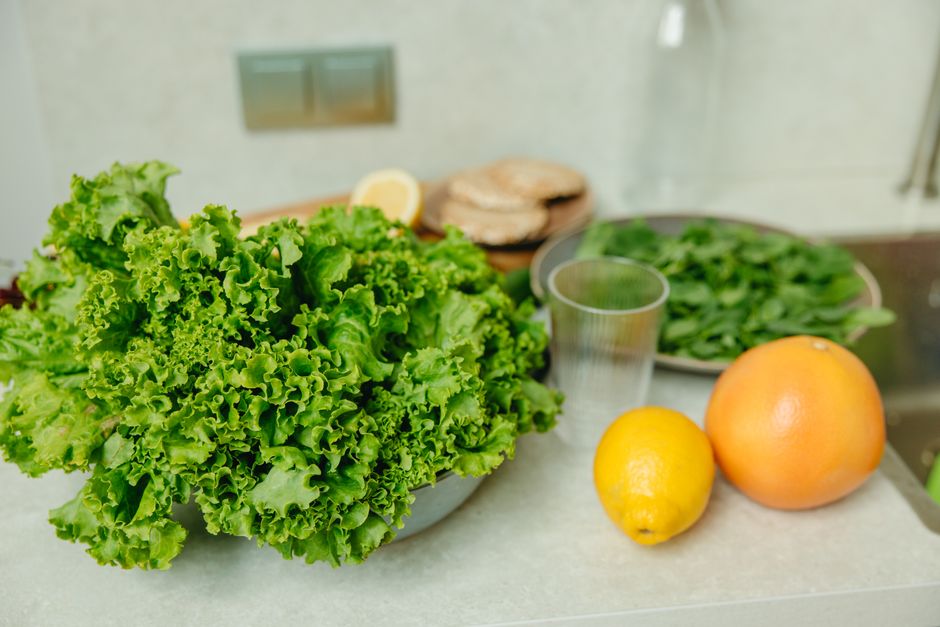
The Green Mediterranean Diet is a variation of the traditional Mediterranean Diet with one major change: it adds more plant-based foods and removes red meat. It is not a completely different way of eating. It is the standard Mediterranean pattern, adjusted to be even more plant-forward and environmentally conscious. The core idea is simple: eat mostly plants, include fish and poultry, and cut out red meat entirely.
This version of the diet gained attention after researchers in Israel studied its effects on health markers like belly fat and cholesterol. The results were promising enough that many health professionals now view it as a practical, evidence-based option for people who want the benefits of a Mediterranean diet but prefer a stricter plant-based approach. It is a diet built on everyday foods, not supplements or specialty products.
What Makes the Green Mediterranean Diet Different?
The standard Mediterranean diet includes moderate amounts of poultry, eggs, and dairy, plus small amounts of red meat. The green version removes red meat completely. It also adds three specific components that are not part of the traditional plan: green tea, walnuts, and a plant-based protein shake called Mankai.
Mankai is a type of duckweed, an aquatic plant that is high in protein, iron, and B vitamins. In the research trials, participants drank a Mankai shake daily. Green tea was also consumed daily, and walnuts replaced about half of the usual protein intake from animal sources. These three additions are what separate the green diet from the standard Mediterranean approach.
The diet is not just about what you remove. It is about what you add. The emphasis shifts further toward vegetables, legumes, whole grains, and healthy fats like olive oil. Fish and poultry remain allowed, but they are not the center of the plate. Plants are.
What Can You Eat on the Green Mediterranean Diet?
The food list is straightforward and does not require special preparation. You eat vegetables at most meals, use olive oil as your main fat, and include legumes like chickpeas and lentils regularly. Whole grains such as oats, barley, and quinoa replace refined grains. Nuts and seeds are eaten daily, with walnuts being the specific choice in the green version.
Allowed proteins include fish, shellfish, poultry, eggs, and dairy in moderation. Red meat is not eaten. Processed meats like bacon and sausage are also avoided. Sweets and sugary drinks are limited. Alcohol is allowed in moderation, typically red wine with meals.
This is not a restrictive diet in the sense of calorie counting or eliminating entire food groups. It is a pattern of eating that emphasizes food quality. You do not need to weigh portions or track macros. You simply choose from the allowed foods and build meals around plants.
What Does the Research Actually Show?
The main evidence for the green Mediterranean diet comes from a clinical trial conducted in Israel, often referred to as the DIRECT-PLUS trial. Researchers assigned participants to one of three groups: a standard healthy diet, a traditional Mediterranean diet, or the green Mediterranean diet. All groups received guidance on physical activity as well.
The results, published in several peer-reviewed journals, showed that the green Mediterranean diet produced greater reductions in belly fat and certain cholesterol markers compared to the traditional Mediterranean diet. One study from this trial was published in the journal Heart and another in BMC Medicine. These are reputable journals, and the findings have been discussed widely in the nutrition community.
It is important to note that this is one major trial, not decades of research. The study was well-designed and the results were statistically significant, but it has not been replicated on the same scale. The evidence is promising, but it is not as extensive as the research base for the standard Mediterranean diet, which has been studied for decades across many populations.
How Does It Compare to the Standard Mediterranean Diet?
The standard Mediterranean diet is one of the most studied eating patterns in the world. It is consistently linked to lower rates of heart disease, type 2 diabetes, and cognitive decline. The green version builds on that foundation but is more restrictive in one way and more specific in another.
The table below summarizes the key differences:
| Component | Standard Mediterranean | Green Mediterranean |
|---|---|---|
| Red meat | Occasional, small amounts | Avoided entirely |
| Fish and poultry | Regularly | Regularly |
| Walnuts | Optional | Daily, specific amount |
| Green tea | Not required | Daily |
| Mankai shake | Not included | Daily |
| Plant emphasis | High | Higher |
For most people, the green version is simply a stricter version of a diet they already know. If you are comfortable giving up red meat and adding the three specific daily components, the green diet is a reasonable choice. If you prefer flexibility, the standard Mediterranean diet is still an excellent option.
Is the Green Mediterranean Diet Right for You?
This diet is safe for most healthy adults. It is rich in fiber, antioxidants, and healthy fats, and it aligns with dietary patterns that are widely recommended by nutrition organizations. Because it eliminates red meat, it may be particularly appealing to people who are concerned about the environmental impact of their food choices or who have been advised to limit red meat for health reasons.
There are some practical considerations. Mankai is not widely available in regular grocery stores. It is sold as a powder or in frozen cubes, usually online or in specialty health food stores. If you cannot find it, you can still follow the green Mediterranean diet without it, but you would not be following the exact protocol used in the research.
Green tea and walnuts are easy to find. If you are allergic to nuts, this diet is not appropriate for you. If you are sensitive to caffeine, the daily green tea may need to be adjusted or replaced with a decaffeinated version, though that would deviate from the studied protocol.
People with kidney disease or those on blood thinners should talk to their doctor before starting this diet. The high potassium and vitamin K content in many plant foods can interact with certain medications. This is not a reason to avoid the diet, but it is a reason to have a conversation with your healthcare provider first.
What Are the Practical Steps to Start?
Starting is not complicated. You do not need a meal plan or a shopping list of exotic ingredients. You need to make three structural changes to your current eating pattern.
First, remove red meat from your meals. Replace it with legumes, fish, poultry, or eggs. Second, add a daily serving of walnuts. A small handful is the amount used in the research. Third, drink a cup of green tea daily. If you choose to include Mankai, add it to a smoothie or shake once per day.
Beyond those changes, follow the standard Mediterranean pattern. Use olive oil instead of butter. Eat vegetables with lunch and dinner. Choose whole grains over refined ones. Keep fish and poultry as your main animal proteins. Limit sweets and processed snacks.
You do not need to count calories. You do not need to weigh food. The diet works through food quality and pattern, not through portion restriction. Most people find it easy to follow because the allowed foods are filling and flavorful.
What Are the Limitations and Unknowns?
The green Mediterranean diet is not a miracle diet. It is a well-structured eating pattern with promising early evidence, but it has limitations. The main clinical trial was conducted in one country with a specific population. It has not been replicated in diverse groups or across long time periods.
The specific contribution of each component is also unclear. Researchers do not know whether the benefits come from removing red meat, adding walnuts, drinking green tea, or the Mankai shake. It could be the combination, or it could be one element driving most of the effect. Until studies isolate these variables, the exact mechanism remains unknown.
There is also the question of sustainability. The diet requires daily preparation and commitment. Some people may find the Mankai shake difficult to maintain long-term. If you cannot sustain a diet, the benefits will not last. The best diet is the one you can actually follow consistently.
Frequently Asked Questions
Can I eat red meat on the green Mediterranean diet?
No. Red meat is completely avoided on this diet. The green version removes red meat entirely, unlike the standard Mediterranean diet which allows small occasional amounts.
Is Mankai required for the green Mediterranean diet?
Mankai was a required daily component in the clinical research on this diet. If you cannot find it, you can still eat a plant-forward Mediterranean-style diet, but it would not be the exact protocol studied.
Is the green Mediterranean diet better than the regular Mediterranean diet?
One major clinical trial found greater reductions in belly fat and cholesterol with the green version. However, the standard Mediterranean diet has far more research supporting its long-term health benefits, so the evidence is not conclusive either way.
Can I follow this diet if I am vegetarian?
Yes, with one adjustment. The diet allows fish and poultry, but you can omit them and rely on legumes, eggs, dairy, and the Mankai shake for protein. This would make it a vegetarian version of the green Mediterranean diet.
