
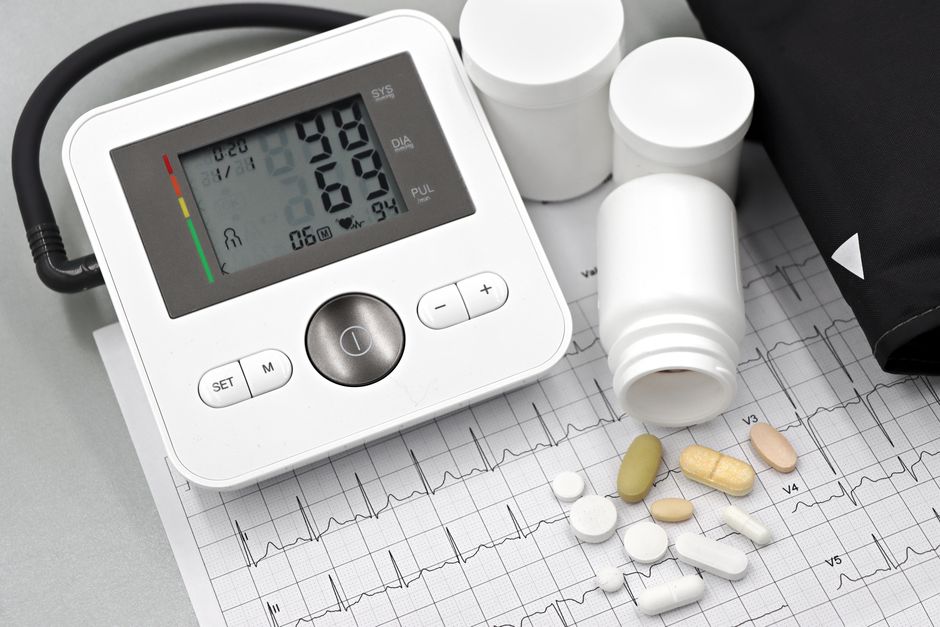
High cholesterol does not come from a single cause. It builds up over time from a mix of genetics, diet, lifestyle, and other health conditions. Your liver makes all the cholesterol your body needs, so the cholesterol you eat is extra. When too much of that extra cholesterol stays in your blood, it can stick to artery walls and raise your risk of heart disease and stroke.
What Actually Causes High Cholesterol?
Your body keeps cholesterol moving through your blood by attaching it to proteins. These combinations are called lipoproteins. The two types you hear about most are LDL and HDL. LDL carries cholesterol to your cells. HDL carries it away from your arteries and back to the liver.
High cholesterol means your LDL level is too high, your HDL is too low, or both. This imbalance happens when your body makes more cholesterol than it can clear, or when your diet adds more than your liver can process.
Several factors work together to create this imbalance. Some you can control. Some you cannot.
How Do You Get High Cholesterol Causes Explained: The Role of Diet
Food is the part of cholesterol most people know about, but it is not the whole story. Saturated fats raise your LDL cholesterol more than dietary cholesterol itself does. These fats are solid at room temperature and come mostly from animal products.
- Red meat like beef, pork, and lamb
- Full-fat dairy products like butter, cheese, and cream
- Poultry with skin
- Palm oil and coconut oil
- Baked goods and fried foods made with these fats
Trans fats are worse. They raise LDL and lower HDL at the same time. Many countries have banned artificial trans fats, but they can still appear in some processed foods. Check ingredient lists for the words “partially hydrogenated oil.”
Dietary cholesterol itself has less effect on blood cholesterol than saturated fat for most people. Eggs are a good example. A large egg contains about 186 milligrams of cholesterol, but for most healthy people, eating eggs does not significantly raise blood cholesterol levels. The bigger problem is what you eat with the eggs — bacon, sausage, butter, or cheese.
Refined carbohydrates also matter. White bread, sugary drinks, and pastries can lower HDL and raise triglycerides, another type of fat in your blood. High triglycerides often pair with high LDL.
Genetics Can Override a Healthy Lifestyle
Some people eat well and exercise regularly yet still have high cholesterol. Their genes are the reason.
Familial hypercholesterolemia is an inherited condition that makes it hard for your liver to remove LDL from your blood. People with this condition can have very high LDL levels from a young age, even with a perfect diet. About 1 in 250 people have it, and many do not know they do.
If you have a parent, sibling, or child with high cholesterol or early heart disease, your own risk is higher. A simple blood test can tell you where you stand. Knowing your family history matters because genetics can change how your body responds to diet and exercise.
Your genes also affect how well you absorb cholesterol from food. Some people absorb more, and some people’s livers make more cholesterol on their own. This is why two people can eat the same diet and end up with very different cholesterol numbers.



Lifestyle Factors That Raise Cholesterol
Physical inactivity lowers HDL cholesterol. When you do not move enough, your body does not clear fats from your blood as efficiently. Regular aerobic exercise — brisk walking, cycling, swimming — can raise HDL and help lower triglycerides.
Carrying excess weight, especially around your abdomen, increases LDL and triglycerides while lowering HDL. Weight loss of even 5 to 10 percent can improve your cholesterol numbers, though the effect varies from person to person.
Smoking damages your blood vessels and lowers HDL. The chemicals in tobacco smoke make LDL more likely to stick to artery walls. Quitting smoking improves HDL levels within weeks, though the exact timeline depends on how long you smoked and how much.
Heavy alcohol use raises triglycerides. Moderate drinking — defined as up to one drink per day for women and two for men — does not appear to harm cholesterol levels, and some research suggests it may raise HDL slightly. But the risks of alcohol outweigh any potential benefit for most people. If you do not drink, there is no health reason to start.
Medical Conditions and Medications That Raise Cholesterol
Several health conditions can push your cholesterol into unhealthy ranges. These are not always obvious, and treating the underlying condition often improves cholesterol as a result.
Type 2 diabetes changes how your body processes fats. People with diabetes often have higher triglycerides, lower HDL, and smaller, denser LDL particles that are more damaging to arteries. Poor blood sugar control makes this worse.
An underactive thyroid, called hypothyroidism, slows your metabolism. Your liver clears LDL more slowly, so blood levels rise. This is one of the most treatable causes of high cholesterol — thyroid medication often brings cholesterol down without any other changes.
Kidney disease and liver disease can also disrupt cholesterol processing. These are less common but important to rule out if your cholesterol is suddenly much higher than usual.
Some medications raise cholesterol as a side effect. Certain diuretics, corticosteroids, and some drugs used for autoimmune conditions can increase LDL or triglycerides. If you take any of these, talk to your doctor about whether the medication is necessary and whether alternatives exist.
Age and Sex Affect Your Numbers
Cholesterol naturally rises with age. As you get older, your liver becomes less efficient at removing LDL from your blood. This is a normal biological process, not a sign that something is wrong.
Before menopause, women typically have lower LDL and higher HDL than men of the same age. Estrogen helps keep LDL down. After menopause, estrogen levels drop and women’s cholesterol levels often rise to match or exceed men’s. This is why heart disease risk in women increases sharply after age 55.
Men tend to have higher cholesterol earlier in life, usually starting in their 30s and 40s. By age 65, women’s cholesterol levels often catch up and can surpass men’s.
Can Stress Cause High Cholesterol?
Stress alone does not directly cause high cholesterol, but it can contribute indirectly. When you are stressed, your body releases hormones like cortisol and adrenaline. These hormones can increase the amount of cholesterol your liver produces and releases into your blood.
Stress also changes behavior. People under chronic stress often sleep less, exercise less, eat more processed food, and drink more alcohol. Each of these independently raises cholesterol. So stress is a real factor, but it works through your habits more than through your hormones alone.
Chronic stress also increases inflammation in your body. Inflammation makes LDL particles more likely to damage artery walls, even if your cholesterol numbers are only moderately elevated.
When to Get Tested and What the Numbers Mean
A blood test called a lipid panel measures your cholesterol. You may need to fast for 9 to 12 hours before the test, though some newer testing methods do not require fasting. Ask your doctor which applies to you.
Standard healthy ranges for adults are:
- Total cholesterol: under 200 mg/dL
- LDL: under 100 mg/dL
- HDL: 60 mg/dL or higher is protective; under 40 mg/dL for men and under 50 mg/dL for women is too low
- Triglycerides: under 150 mg/dL
These are general targets. Your personal goal depends on your age, other risk factors, and whether you already have heart disease. A person with diabetes or a history of heart attack may need LDL well below 70 mg/dL.
Most adults should get their cholesterol checked every 4 to 6 years starting at age 20. More frequent testing is needed if you have risk factors like diabetes, heart disease, a family history of early heart attacks, or if you take cholesterol-lowering medication.
High cholesterol has no symptoms. You cannot feel it. The only way to know your levels is a blood test. Many people are surprised by their results because they feel perfectly fine.
What You Can Actually Change
Diet and exercise are the first line of defense, but they do not work for everyone. Some people see significant improvement with lifestyle changes. Others see almost no change because their genetics dominate. This is not a personal failure — it is biology.
If lifestyle changes do not bring your numbers into a healthy range within about three months, your doctor may recommend medication. Statins are the most studied and most effective cholesterol-lowering drugs. They work by blocking an enzyme your liver needs to make cholesterol.
Other medications include ezetimibe, which reduces cholesterol absorption in your intestines, and PCSK9 inhibitors, which help your liver remove more LDL from your blood. These are typically used when statins are not enough or are not tolerated.
No supplement has been proven to lower cholesterol as effectively as medication. Some plant sterols and soluble fiber can modestly reduce LDL, but the effect is small compared with statins. Red yeast rice contains a natural statin-like compound, but its strength varies by brand and it carries the same risks as prescription statins without the quality control.
Frequently Asked Questions
Can you get high cholesterol from eating eggs?
For most healthy people, eggs do not significantly raise blood cholesterol. Saturated fat in your overall diet matters more than the cholesterol in eggs.
Is high cholesterol always genetic?
No. Most cases come from a mix of diet, lifestyle, and genetics. A small percentage of cases are purely genetic, called familial hypercholesterolemia.
How quickly can diet changes lower cholesterol?
Most people see measurable changes within 4 to 12 weeks of consistent dietary changes. The amount of change varies based on your starting numbers and your genetics.
Can thin people have high cholesterol?
Yes. Weight is only one risk factor. Genetics, diet quality, and medical conditions can cause high cholesterol in people of any body size.
