
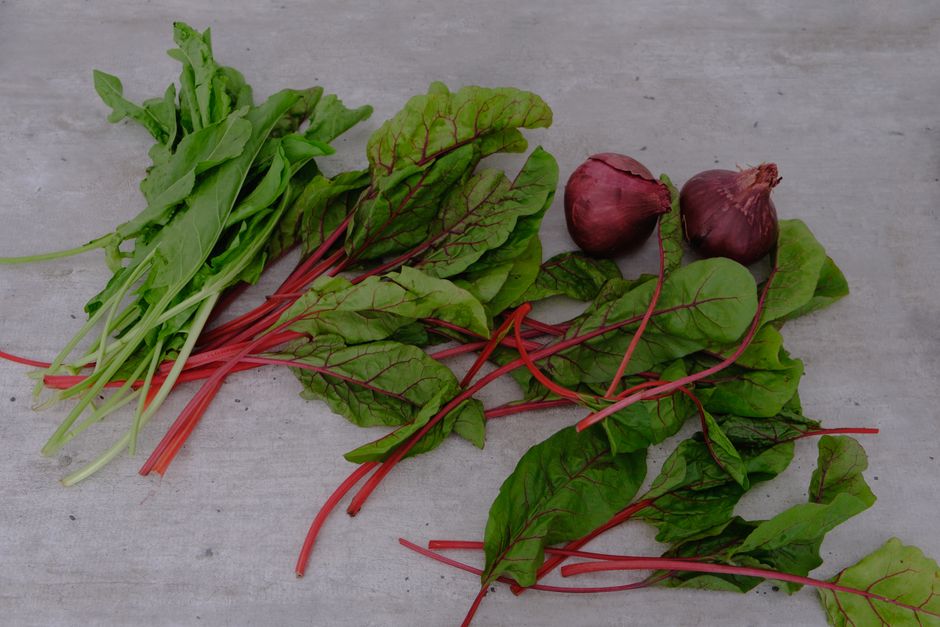
Yes, you can absolutely eat beet leaves. In fact, they are one of the most nutritious parts of the plant. While the beetroot bulb gets most of the attention in grocery stores and kitchens, the leafy greens attached to it are entirely edible and packed with vitamins and minerals. You can eat them raw in salads, sauté them like spinach, or add them to soups and stews.
Can You Eat Leaves From Beets?
Beet greens are not only safe to eat, they are a legitimate superfood in their own right. The entire above-ground portion of the beet plant—the stems and the leafy part—is edible. This includes the leaves of red beets, golden beets, and Chioggia beets.
The confusion about whether beet leaves are edible likely comes from people mistaking them for rhubarb leaves, which are toxic due to high levels of oxalic acid. Beet leaves do contain oxalates, but at levels comparable to spinach and Swiss chard. For most people, eating them cooked or raw in normal food quantities poses no health risk.
Nutritional Profile of Beet Greens
Beet greens are among the most nutrient-dense leafy vegetables you can buy. They are an excellent source of vitamin K, which is essential for blood clotting and bone health. A single cup of cooked beet greens provides a significant portion of your daily vitamin A needs, mostly in the form of beta-carotene.
They also deliver substantial amounts of vitamin C, iron, magnesium, potassium, and manganese. The leaves contain more iron than the beetroot itself. This makes them a valuable addition for anyone looking to boost their mineral intake without adding many calories.
One point worth noting: the nutritional content of the leaves differs from the root. The root is higher in carbohydrates and natural sugars, while the leaves are primarily water, fiber, and micronutrients. If you are watching your carbohydrate intake, the greens are the better choice nutritionally.
How to Select and Store Beet Leaves
When you buy beets with the greens attached, look for leaves that are crisp, deeply colored, and free from yellowing or wilting. The stems should feel firm, not rubbery. Smaller leaves tend to be more tender and milder in flavor, while larger leaves have a more robust, earthy taste.
Beet greens have a shorter shelf life than the roots. They will typically stay fresh in the refrigerator for two to three days if stored properly. Remove the leaves from the roots before storing, because the roots draw moisture away from the greens and cause them to wilt faster.
To store them, wash the leaves thoroughly, dry them well, and wrap them in a paper towel inside a plastic bag or container. The paper towel absorbs excess moisture, which is the main cause of spoilage. Use them within a few days for the best texture and flavor.



How to Prepare and Cook Beet Greens
Beet greens are versatile in the kitchen. Raw, they work well in salads, though their texture is slightly sturdier than spinach. Massaging the raw leaves with a little olive oil and lemon juice for a minute softens them and makes them more pleasant to eat.
Cooking is the most common approach. Sautéing in olive oil with garlic is the simplest method and brings out their natural sweetness. They also hold up well in soups, bean dishes, and grain bowls. Steaming or wilting them into a hot pan takes only two to three minutes.
You can eat the stems too, but they take longer to cook than the leaves. Chop the stems finely and add them to the pan a few minutes before the leaves. This ensures everything is tender at the same time. The stems have a texture similar to asparagus or celery.
One important note: wash the leaves thoroughly before cooking. Beet greens grow close to the soil and can carry grit and sand. Fill a bowl with cold water, swish the leaves around, and let the dirt settle at the bottom before lifting them out.
Are There Any Risks or Side Effects?
For most people, beet greens are completely safe to eat. However, they are high in vitamin K, which interacts with blood-thinning medications like warfarin. If you take a blood thinner, you should keep your intake of vitamin K-rich foods consistent and discuss any major dietary changes with your doctor.
Beet greens also contain oxalates. These naturally occurring compounds can contribute to kidney stone formation in people who are prone to calcium oxalate stones. Cooking the greens reduces their oxalate content significantly. If you have a history of kidney stones, it is wise to eat beet greens cooked rather than raw and to drink plenty of water.
Some people notice that eating beets, including the greens, turns their urine pink or red. This condition, called beeturia, is harmless. It happens in roughly 10 to 14 percent of the population and is not a sign of any medical problem.
Raw vs. Cooked: Which Is Better?
Both raw and cooked beet greens have their merits. Raw leaves retain the maximum amount of vitamin C, which is heat-sensitive and degrades during cooking. If you are eating them raw, you get the full benefit of this antioxidant vitamin.
Cooking, however, makes certain nutrients more available to your body. Heat breaks down the cell walls, which helps your digestive system access the beta-carotene and other fat-soluble vitamins. Cooking also reduces the oxalate content, making the greens easier on your kidneys.
The best approach is to eat them both ways. Use tender young leaves raw in salads and cook the larger, more mature leaves. This gives you the nutritional benefits of both preparation methods and keeps your meals interesting.
Beet Greens vs. Other Leafy Greens
Beet greens belong to the same botanical family as Swiss chard and spinach. Their flavor is similar, though beet greens have a slightly earthier taste. Nutritionally, they compare favorably to these better-known greens.
Compared to kale, beet greens are lower in calories but provide comparable amounts of vitamin K and vitamin A. They also contain more iron than kale. The main difference is texture—kale is sturdier and holds up to longer cooking, while beet greens are more delicate and cook quickly.
Compared to spinach, beet greens are similar in most nutrients but have a firmer texture that holds up better when cooked. Spinach wilts down to almost nothing, while beet greens retain more body. If you find spinach too delicate for a particular dish, beet greens make an excellent substitute.
Can You Eat Beet Leaves From Any Beet Variety?
All varieties of beet leaves are edible. This includes red beets, golden beets, white beets, and the specialty varieties like Chioggia, also known as candy cane beets. The color of the leaf does not affect its safety or nutritional value.
One variety to note is sugar beets, which are grown commercially for sugar production. Their leaves are technically edible, but they are not typically sold for human consumption. They are often treated with agricultural chemicals and are best avoided unless you grew them yourself organically.
If you grow your own beets, you can harvest the leaves throughout the growing season without harming the root. Take only the outer leaves and leave the inner ones to keep feeding the bulb. This gives you a continuous supply of greens while the roots continue to develop below the soil.
Frequently Asked Questions
Can you eat beet leaves raw?
Yes, raw beet leaves are safe to eat and work well in salads. Young, tender leaves are best for raw eating because mature leaves can be tough and fibrous.
Do beet leaves taste like beets?
They have a mild earthy flavor similar to the root, but they taste more like Swiss chard or spinach. The stems are sweeter and milder than the leaves.
Can you eat the stems of beet greens?
Yes, the stems are entirely edible. They just need a few extra minutes of cooking time because they are firmer than the leaves.
Are beet leaves toxic to humans?
No, beet leaves are not toxic. They are a nutritious food eaten around the world, though people prone to kidney stones should cook them to reduce oxalate content.
