
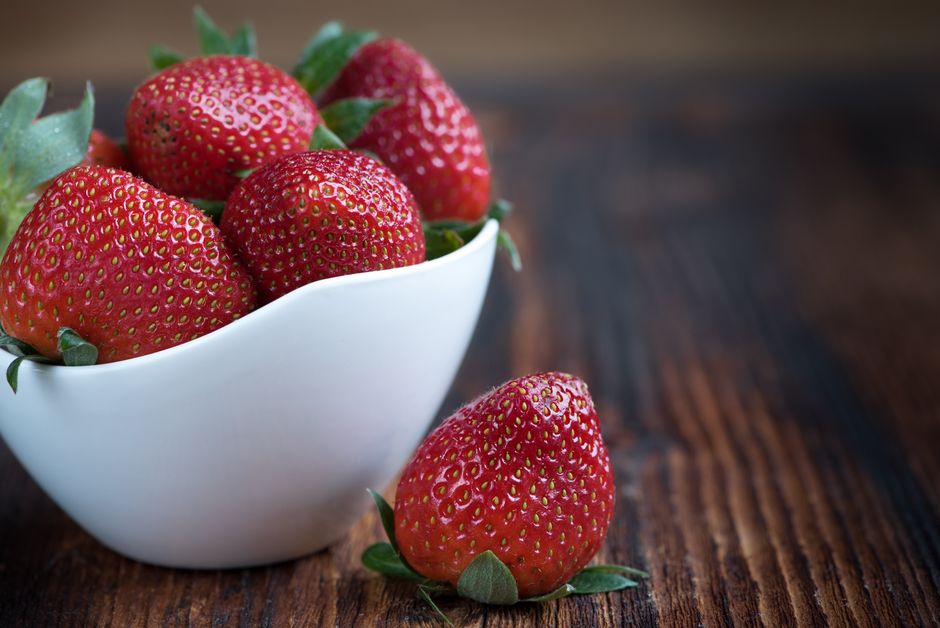
Yes, you can eat fruit on keto, but you must choose carefully and watch portion sizes. Most fruits contain carbohydrates, and on a ketogenic diet, your carb intake is usually limited to 20–50 grams per day to stay in ketosis. Berries are the best option because they offer the most nutrition for the fewest carbs, while tropical fruits like bananas and mangoes are generally too high in carbs to fit comfortably.
Why Carbs in Fruit Matter on Keto
Ketosis is a metabolic state where your body burns fat for fuel instead of glucose. To enter and stay in ketosis, you must restrict carbohydrates enough to lower your blood sugar and insulin levels. For most people, that means eating roughly 20 to 50 grams of net carbs per day.
Net carbs are calculated by subtracting fiber from total carbohydrates. Fiber is not digested like other carbs, so it does not raise blood sugar the same way. This matters because fruits like raspberries and blackberries are high in fiber, which makes their net carb count lower than you might expect.
Fruit is not “bad” on keto. It is simply a source of carbohydrates, and carbohydrates are tightly budgeted on this diet. You can spend your daily carb allowance on fruit, but you may need to give up other carb sources like vegetables, nuts, or dairy to make room.
Which Fruits Are Lowest in Carbs?
Berries are the clear winners on a ketogenic diet. Strawberries, raspberries, blackberries, and blueberries all provide fiber, vitamins, and antioxidants while keeping net carbs relatively low.
- Raspberries — about 1.5 grams of net carbs per 1/2 cup
- Blackberries — about 3 grams of net carbs per 1/2 cup
- Strawberries — about 4 grams of net carbs per 1/2 cup sliced
- Blueberries — about 9 grams of net carbs per 1/2 cup
These figures come from USDA nutritional data. Portion size is everything. A handful of raspberries can fit into a keto day easily. A full cup of blueberries may use up nearly half your daily carb allowance.
Other low-carb options include:
- Avocado — technically a fruit, with about 2 grams of net carbs per half
- Olives — another fruit, with about 1 gram of net carbs per 10 olives
- Coconut — fresh coconut meat has about 6 grams of net carbs per cup
- Tomatoes — about 2.5 grams of net carbs per medium tomato
These are often overlooked because people think of fruit as sweet. But from a botanical and nutritional standpoint, they count as fruit and fit keto well.
Which Fruits Are Too High in Carbs for Keto?
Tropical and dried fruits are generally too high in carbohydrates to fit into a keto diet without blowing your daily limit. Bananas, mangoes, pineapples, grapes, and cherries all contain significant sugar.
A single medium banana contains roughly 24 grams of net carbs. That alone exceeds the daily carb limit for many people on keto. A cup of mango chunks has about 22 grams of net carbs. Dried fruits are even more concentrated because water is removed, leaving sugar behind. A small handful of raisins contains about 20 grams of net carbs.
This does not mean these fruits are unhealthy. They are nutritious foods. They just do not fit the carbohydrate constraints of a ketogenic diet. If you want to eat them, you would need to plan your entire day around that single serving and likely skip other carb sources entirely.




Can You Eat Fruit and Stay in Ketosis?
Yes, but it depends on your personal carb tolerance. Some people can consume 50 grams of carbs per day and remain in ketosis. Others need to stay below 20 grams. Your individual threshold depends on factors like muscle mass, activity level, and metabolic health.
If you are new to keto, it is wise to stay at the lower end of the carb range for the first few weeks. This helps your body adapt to burning fat. Once you are fat-adapted, some people can slowly add small amounts of fruit without leaving ketosis.
The only reliable way to know if fruit is affecting your ketosis is to test. Blood ketone meters measure beta-hydroxybutyrate directly and are the most accurate home method. Urine test strips are less reliable, especially after the first few weeks of keto adaptation. Breath analyzers measure acetone and can be useful for tracking trends.
Some research suggests that even small amounts of carbohydrates can disrupt ketosis in sensitive individuals. The evidence is mixed, and individual responses vary. Testing your own blood ketone levels after eating fruit is the most honest way to assess your personal tolerance.
How to Include Fruit in a Keto Diet
If you want to eat fruit on keto, portion control is not optional. Weigh or measure your fruit rather than estimating. A “handful” of berries can vary significantly in carb content.
Pair fruit with fat and protein to slow the absorption of sugar. A few raspberries with full-fat Greek yogurt or a small portion of strawberries with whipped cream can make a satisfying dessert that fits your macros. The fat and protein help blunt the blood sugar response compared to eating fruit alone.
Consider using fruit as a flavoring rather than a main ingredient. A few blueberries mixed into a smoothie with spinach, almond butter, and unsweetened almond milk can add flavor without adding many net carbs. The same logic applies to adding a few raspberries to a salad with chicken and avocado.
Frozen berries are a practical option. They are picked at peak ripeness and have the same nutritional profile as fresh berries. They also last longer, which reduces food waste and makes it easier to keep small portions on hand.
Common Mistakes People Make With Fruit on Keto
The most common mistake is assuming all fruit is off-limits and then over-restricting. Fruit provides vitamins, minerals, and antioxidants that support overall health. Completely eliminating it is not necessary if you choose low-carb options and control portions.
The second most common mistake is underestimating portion sizes. It is easy to eat three or four servings of berries in one sitting. Each serving adds carbs. Before you know it, you have consumed 20 grams of net carbs from fruit alone.
Another mistake is relying on fruit juices. Juicing removes the fiber and concentrates the sugar. A glass of orange juice has the carbs of several oranges but none of the fiber. Juice has no place in a keto diet. Even unsweetened juices are too high in sugar.
Some people also mistake “keto-friendly” packaged snacks for healthy choices. Many keto bars and treats contain fruit concentrates or sweeteners that can still affect blood sugar. Read labels carefully and check total carbohydrates, not just the marketing claims on the front of the package.
What About Fruit on Cyclical or Targeted Keto?
Some people use cyclical keto or targeted keto, which involve planned periods of higher carbohydrate intake. Cyclical keto typically includes one or two higher-carb days per week. Targeted keto involves eating carbs around workouts.
On these approaches, fruit can play a larger role. The higher-carb windows are designed for glycogen replenishment, and fruit provides carbohydrates along with nutrients. Bananas, apples, and oranges are reasonable choices during these planned carb-ups.
However, these approaches are not necessary for most people. Standard keto is sufficient for weight loss and metabolic health for the majority. Cyclical and targeted keto are strategies used by athletes or those who struggle with sustained restriction. If you are considering these approaches, consult a healthcare professional who understands sports nutrition and metabolic health.
Frequently Asked Questions
Can I eat bananas on keto?
Bananas are too high in carbs for standard keto, with about 24 grams of net carbs in one medium fruit. They may only fit in cyclical or targeted keto approaches with planned higher-carb windows.
How many berries can I eat on keto?
A half-cup serving of raspberries or blackberries typically fits within a keto carb budget. Measure your portion and account for the carbs in your daily total.
Will fruit kick me out of ketosis?
It depends on the fruit, the portion, and your personal carb tolerance. High-carb fruits like mangoes or grapes can exceed your daily limit, while small portions of berries usually do not.
Is fruit juice allowed on keto?
No. Fruit juice removes the fiber and concentrates the sugar, making it too high in carbohydrates for keto. Even unsweetened juice is not compatible with ketosis.
