
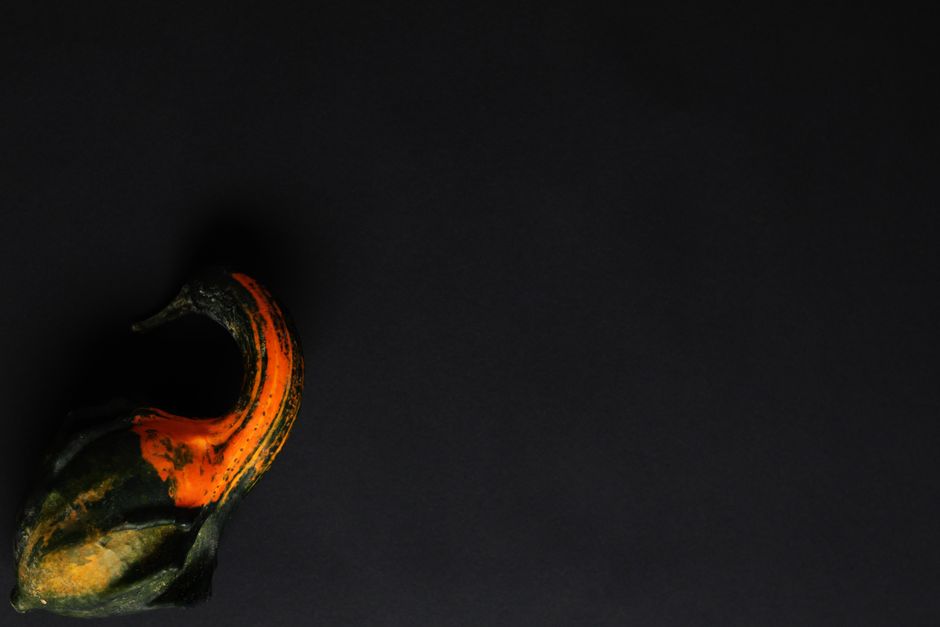
Yes, you can eat crookneck squash. It is a common summer squash variety that is safe to eat and widely used in home cooking. The entire squash is edible, including the skin, seeds, and flesh, though some people prefer to peel it or remove larger seeds before cooking. It is not toxic and poses no health risk when handled and cooked properly.
What Is Crookneck Squash?
Crookneck squash is a type of summer squash, closely related to yellow straightneck squash and zucchini. It gets its name from its distinctive curved neck and bulbous bottom. The skin is typically bright yellow, and the flesh is pale yellow to cream colored.
Like all summer squash, it is harvested while immature, when the skin is still tender and the seeds are small. This is different from winter squash like butternut or acorn, which are harvested fully mature with hard skins.
Crookneck squash is botanically classified as Cucurbita pepo, the same species as zucchini, pumpkins, and many gourds. It is one of the oldest cultivated squash varieties in North America, with a history that predates European settlement.
Is Crookneck Squash Safe to Eat Raw?
Yes, crookneck squash can be eaten raw. It is commonly sliced into salads or served with dips. The raw texture is crisp and slightly crunchy, similar to cucumber but firmer.
Raw summer squash is safe for most people. However, some individuals find raw squash causes mild digestive discomfort, such as gas or bloating. This is usually due to the fiber content and is not a sign of toxicity.
One caution applies to all squash varieties, including crookneck. In rare cases, squash can contain high levels of compounds called cucurbitacins. These naturally occurring bitter substances can cause stomach cramps and diarrhea if eaten in large amounts. Commercial squash varieties are bred to have very low cucurbitacin levels, so this is rarely a concern with store-bought produce. If a squash tastes unusually bitter, it is best not to eat it.
How to Cook Crookneck Squash
Crookneck squash is versatile and can be prepared in many ways. It holds up well to high heat cooking methods like grilling, roasting, and sautéing.
Before cooking, wash the squash thoroughly under running water. The skin is edible and contains nutrients, so peeling is optional. Trim off the stem end and the blossom end. If the squash is very large, the seeds may be tough and can be scooped out with a spoon.
- Sautéing: Slice into rounds or half-moons and cook in a pan with olive oil over medium heat for 5 to 7 minutes until tender.
- Roasting: Cut into chunks, toss with oil and seasonings, and roast at 425°F for 15 to 20 minutes.
- Grilling: Slice lengthwise into planks, brush with oil, and grill for 3 to 4 minutes per side.
- Steaming: Cook sliced squash in a steamer basket for 5 to 6 minutes until fork tender.
Crookneck squash cooks quickly because it has high water content. Overcooking can make it mushy. The goal is to cook until just tender while still holding its shape.





Nutritional Profile of Crookneck Squash
Crookneck squash is low in calories and high in water content. A one-cup serving of cooked, sliced crookneck squash contains roughly 36 calories. It provides small amounts of vitamin C, vitamin B6, and manganese.
It is also a good source of dietary fiber, which supports digestive health. The fiber content is higher in the skin than in the flesh, so leaving the skin on increases the nutritional value.
Like all summer squash, crookneck is not a significant source of protein or fat. It is best paired with other foods to make a balanced meal. Its high water content means it is hydrating and filling without adding many calories.
Can You Eat the Skin and Seeds?
Yes, the skin of crookneck squash is completely edible. It is tender when the squash is young and becomes slightly tougher as the squash matures. Most people do not notice the skin once the squash is cooked.
The seeds are also edible. In young, small squash, the seeds are soft and cook up without any issue. In larger, older squash, the seeds can be tough and bitter. If you have a large crookneck squash, it is better to remove the seeds before cooking.
Some people wonder if the seeds are toxic. They are not. Squash seeds are safe to eat, though they are not usually eaten on their own like pumpkin seeds because they are smaller and thinner.
How to Choose and Store Crookneck Squash
When selecting crookneck squash at the market, look for small to medium-sized squash. Smaller squash tend to be sweeter and have more tender skin. The skin should be firm, glossy, and free of soft spots or blemishes.
Avoid squash that feels heavy for its size, as this can indicate a thick skin and large seeds. The squash should feel firm when gently squeezed, not spongy.
Store crookneck squash in the refrigerator in a plastic bag. It will keep for about 4 to 5 days. Do not wash the squash before storing, as excess moisture speeds up spoilage. Wash it right before use.
Crookneck squash can also be frozen for longer storage. Slice it, blanch in boiling water for 3 minutes, cool in ice water, drain, and pack in freezer bags. Frozen squash will keep for up to 8 to 10 months but is best used in cooked dishes rather than eaten raw, as freezing changes the texture.
Common Myths About Crookneck Squash
One persistent myth is that crookneck squash is poisonous. This is not true. Crookneck squash is a standard food crop and has been eaten for centuries.
Another myth is that the bumpy skin indicates a bad or contaminated squash. The bumps are natural to this variety. Crookneck squash and its close relative, pattypan squash, naturally have ribbed or bumpy surfaces. This is not a sign of disease or poor quality.
Some people believe that yellow squash and zucchini can be used interchangeably in all recipes. They are similar but not identical. Crookneck squash has a slightly denser texture and a milder flavor than zucchini. In most cooked dishes, they can be swapped without a noticeable difference.
Can You Eat Crookneck Squash if You Have Food Allergies?
True allergy to summer squash is rare. Most people with squash sensitivity experience oral allergy syndrome, which causes mild itching or tingling in the mouth after eating raw squash. Cooking the squash usually eliminates this reaction because the heat breaks down the proteins responsible.
If you have a known allergy to other gourds, such as cucumber or melon, you may also react to crookneck squash. This is called cross-reactivity. Symptoms can range from mild mouth itching to more serious reactions in rare cases.
If you experience any allergic symptoms after eating crookneck squash, stop eating it and speak with your doctor. For most people, however, crookneck squash is a safe and nutritious food with no allergy concerns.
Frequently Asked Questions
Do you need to peel crookneck squash before cooking?
No, the skin is edible and tender, especially on smaller squash. Peeling is optional and mostly a matter of personal preference.
Can crookneck squash make you sick?
No, crookneck squash is safe to eat. In rare cases, a squash that tastes very bitter may contain cucurbitacins that can cause stomach upset, so discard any squash with an unusually bitter taste.
Is crookneck squash the same as yellow squash?
Crookneck is one type of yellow squash. Yellow straightneck squash and pattypan squash are other varieties that are also sold as yellow squash.
Can you eat crookneck squash raw in salads?
Yes, raw crookneck squash is safe and commonly used in salads. It is crisp and mild, similar to cucumber in texture.
