
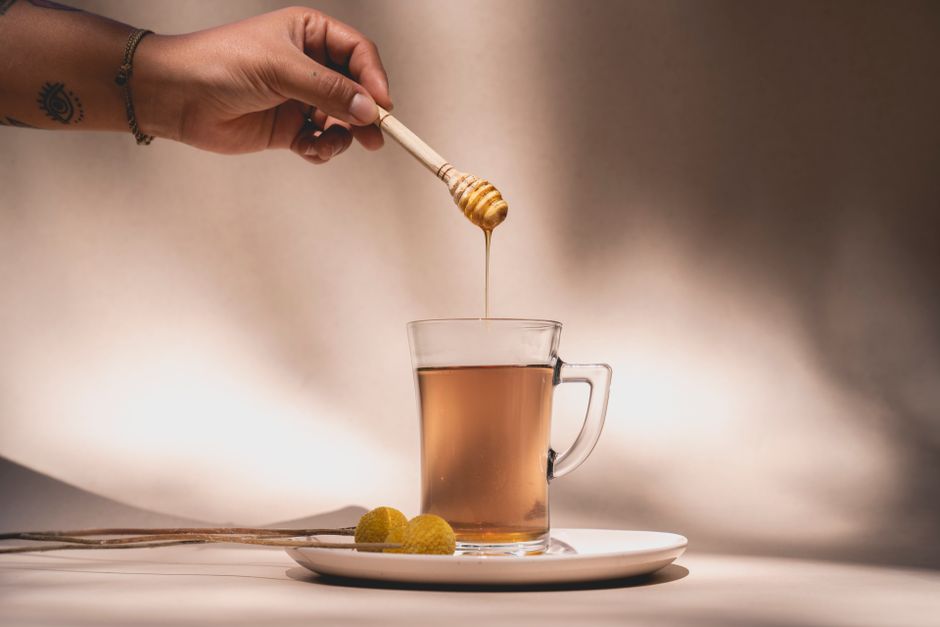
Yes, you can eat raw honey. It is safe for most healthy adults. Raw honey is honey straight from the hive that has not been heated or filtered. It contains natural sugars, enzymes, and small amounts of pollen. The main safety concern is for infants under one year old due to the risk of botulism. For everyone else, raw honey is generally safe to eat in normal amounts.
What Is Raw Honey and How Is It Different?
Raw honey comes directly from the honeycomb. Beekeepers strain it once to remove large pieces like beeswax and dead bees. That is it. No high heat. No fine filtering. What you get is honey in its natural state.
Most honey in grocery stores is processed. Processed honey is heated to around 160°F to kill yeast and make it easier to filter. This also destroys natural enzymes and removes pollen grains. The result is a clear, smooth liquid that stays liquid longer on your shelf.
The difference matters for taste and texture. Raw honey is cloudy. It crystallizes faster. It has a more complex flavor because the natural compounds are still intact. Processed honey tastes sweet but simple. Both are mostly sugar and water. But raw honey retains trace amounts of pollen, propolis, and enzymes that processing removes.
Can You Eat Raw Honey Straight From the Jar?
Yes. You can eat raw honey with a spoon if you want. Many people take it directly for a sore throat or just because they like the taste.
The texture can be thick and grainy depending on how long it has been sitting. Crystallization is normal. It does not mean the honey has gone bad. If your raw honey is solid, you can warm the jar in a bowl of hot water to soften it. Do not microwave it. Microwaving destroys the same beneficial compounds that make raw honey different from processed honey.
Some raw honey contains small bits of beeswax or propolis. These are harmless. You can eat them or pick them out. Neither will hurt you.
What Does Research Say About the Health Benefits of Raw Honey?
Research published in the Journal of Agricultural and Food Chemistry has found that raw honey contains antioxidants called flavonoids and phenolic acids. These compounds help reduce oxidative stress in your body. One study showed that darker honey varieties like buckwheat honey have higher antioxidant levels than lighter ones like clover honey.
Raw honey also has antibacterial properties. A 2017 review in Pharmacognosy Research confirmed that honey can inhibit over 80 species of bacteria. This effect comes from hydrogen peroxide, acidity, and low water content. These properties are why honey has been used as a wound dressing for thousands of years. The FDA has approved medical-grade honey for wound care.
For cough relief, the evidence is stronger than what you might expect. A 2021 study in BMJ Evidence-Based Medicine found that honey was better than common over-the-counter cough medicines for reducing nighttime cough in children. The researchers recommended honey as a first-line treatment for cough.
Here is where the hype gets ahead of the evidence. Many claims about raw honey boosting your immune system or curing allergies are not supported by strong clinical studies. Some small studies suggest local raw honey may help with seasonal allergies, but the results are mixed and the effect is small. As of 2026, there is no clinical evidence that raw honey cures any disease. It is a food with some beneficial compounds, not a medicine.





Who Should Not Eat Raw Honey?
Infants under 12 months old should never eat raw honey. The CDC and American Academy of Pediatrics both warn about infant botulism. Honey can contain spores of Clostridium botulinum. An infant’s digestive system is not developed enough to stop these spores from growing and producing toxins. This can cause muscle weakness, breathing problems, and even death. The risk is real. About 100 cases of infant botulism are reported in the US each year, and honey is a known source.
People with pollen allergies should be cautious. Raw honey contains trace amounts of pollen. Most people with pollen allergies can eat raw honey without a problem. But severe allergic reactions are possible. If you have a known pollen allergy, start with a very small amount.
People with diabetes need to count the sugar in honey the same as any other sugar. Raw honey has a glycemic index around 58, which is lower than white sugar at 65. But it is still sugar. One tablespoon of honey has about 60 calories and 17 grams of sugar. If you have diabetes, treat honey like any other carbohydrate source.
Pregnant women can safely eat raw honey. The CDC states that the risk of botulism from honey is only for infants. Adult digestive systems handle the spores without issue. That said, no food is worth worrying about during pregnancy. If you feel uneasy, stick with processed honey.
Raw Honey vs. Processed Honey: What Is Better for You?
| Feature | Raw Honey | Processed Honey |
|---|---|---|
| Antioxidant levels | Higher | Lower due to heat |
| Enzymes | Intact | Mostly destroyed |
| Pollen content | Present | Removed by filtering |
| Antibacterial activity | Higher | Reduced by heat |
| Shelf life | Long but crystallizes | Very long, stays liquid |
| Cost | Higher | Lower |
| Botulism risk for infants | Yes | Yes (spores survive processing) |
The table shows a clear pattern. Raw honey retains more of the compounds that researchers have linked to health benefits. But the differences are not huge. If you eat honey for taste, either type works. If you want the potential antioxidant and antibacterial benefits, raw honey is the better choice.
One thing to note: processed honey is not bad for you. It is still honey. It still has sugar and some antioxidants. The main loss is in the heat-sensitive compounds. If raw honey is too expensive or hard to find, processed honey is a fine alternative.
Common Misconceptions About Raw Honey
Myth: Raw honey never expires. Raw honey can spoil if it absorbs moisture from the air. Honey naturally has very low water content, which prevents bacteria from growing. But if you leave the jar open in a humid environment, the honey can ferment and spoil. Keep the lid on tight and store it in a dry place.
Myth: Raw honey is a cure for allergies. This is widely claimed though strong evidence is limited. The theory is that eating local raw honey exposes you to local pollen, similar to allergy shots. But a 2013 study in the Annals of Allergy, Asthma & Immunology found no difference between honey and placebo for allergy symptoms. Some people report relief, but the science does not back it up as a reliable treatment.
Myth: Raw honey is vegan. Honey is produced by bees. Vegans avoid animal products, and honey comes from insects. Most vegans do not eat honey. If you follow a vegan diet, raw honey is not part of it.
Myth: All raw honey is the same. Raw honey varies wildly depending on the flowers the bees visited. Manuka honey from New Zealand has antibacterial properties that are stronger and more stable than other honey varieties due to the compound methylglyoxal. Buckwheat honey is darker and higher in antioxidants. Clover honey is mild and light. The source matters for both taste and potential benefits.
How to Choose and Store Raw Honey
Look for jars labeled “raw” or “unfiltered.” Check the ingredient list. If it says “honey” and nothing else, that is a good sign. Some brands add corn syrup or other sweeteners. Avoid those.
Local honey from farmers markets is often raw. Ask the seller whether the honey has been heated or filtered. Many small beekeepers sell true raw honey. The flavor will vary by season and location.
Store raw honey in a glass jar if possible. Plastic containers can absorb odors over time. Keep it in a dark cabinet at room temperature. Do not refrigerate honey. Cold speeds up crystallization and makes it thick and hard to use.
If your honey crystallizes, it is still good. Place the jar in a bowl of warm water around 100°F. Let it sit for 15-20 minutes. Stir it gently. Do not use boiling water or a microwave. High heat destroys the beneficial compounds you bought raw honey for in the first place.
Frequently Asked Questions
Can you eat raw honey if you are allergic to bees?
No. If you have a bee venom allergy, raw honey could trigger a reaction because it may contain trace amounts of bee proteins. Avoid it entirely.
Can you eat raw honey while pregnant?
Yes. The CDC states that botulism spores in honey do not affect adults, including pregnant women. Your digestive system handles them without issue.
Can you eat raw honey with diabetes?
Yes, but in very limited amounts. Honey is still sugar with about 17 grams per tablespoon. Count it as part of your daily carbohydrate intake.
Can you eat raw honey that has crystallized?
Yes. Crystallization is a natural process that does not affect safety or flavor. Warm the jar in hot water to return it to liquid form.
