
Yes, you can eat chia sprouts. They are edible, and people have been eating them for years in salads, sandwiches, and smoothie bowls. The more useful question is whether they are worth the trouble and the risk — because chia sprouts have some real food safety concerns that most “superfood” articles never mention.
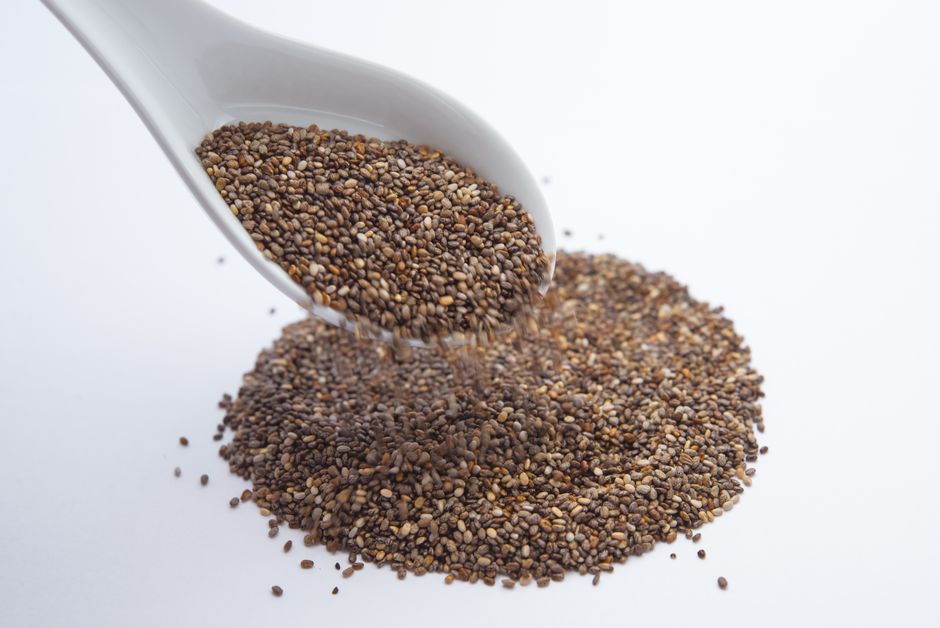
Chia seeds are the tiny black, brown, or white seeds you have probably seen in pudding or stirred into drinks. When you get them wet, they form a gel coating and eventually sprout small green leaves. Those sprouts are what we are talking about here. They are not the same as chia seeds, and they are not the same as the mucilaginous gel that chia seeds form in liquid.
Let’s go through what chia sprouts actually are, how to grow them, what the safety concerns are, and whether the nutrition holds up to the hype.
What Are Chia Sprouts Exactly?
Chia sprouts are the young seedlings that grow from chia seeds (Salvia hispanica) after germination. You start with dry chia seeds, keep them moist for several days, and small green shoots emerge. The whole process usually takes about five to seven days.
The seeds come from the chia plant, which is native to Mexico and Guatemala. The plant was cultivated by the Aztecs and Maya long before chia became a modern health food trend. The seeds are the part most people eat, but the sprouts are also edible.
Chia sprouts look a bit like alfalfa sprouts — small, pale green, with a mild flavor. Some people describe the taste as slightly grassy or earthy. They are not spicy or bitter. The texture is tender and slightly crisp.
One thing to understand: chia seeds and chia sprouts are not nutritionally identical. When a seed germinates, its composition changes. Some nutrients increase, some decrease, and the plant starts producing compounds it needs to grow. This is true for all sprouted seeds, not just chia.
How Do You Grow Chia Sprouts at Home?
Growing chia sprouts at home is simple, but the method matters for safety. You need chia seeds, water, a shallow tray or jar, and a way to rinse them daily.
Here is the basic process:
- Spread a thin layer of dry chia seeds in a shallow tray or on a damp paper towel.
- Mist them with water and keep them consistently moist — not soaking wet.
- Cover loosely to retain moisture and keep them in a warm spot out of direct sunlight.
- Rinse or mist daily to prevent mold and bacteria growth.
- Harvest when the green shoots appear, usually within five to seven days.
Chia seeds form a gel when wet, which is different from many other sprouting seeds. That gel can trap moisture and create conditions where mold grows. This is a real problem with chia sprouts, and it is one reason some food safety experts advise caution with home sprouting in general.
If you see any fuzzy white or gray growth that is not the sprout itself, or if the sprouts smell off, throw them out. Do not try to rinse off mold and eat them anyway.
Are Chia Sprouts Safe to Eat?
Raw sprouts — including chia sprouts — carry a higher risk of foodborne illness than most other vegetables. This is not a chia-specific problem. It applies to alfalfa, mung bean, clover, and radish sprouts too.
The reason is the sprouting environment. Seeds need warmth and moisture to germinate, and those are the same conditions that allow bacteria like Salmonella and E. coli to grow. If the seeds themselves carry bacteria, sprouting can multiply them. Washing does not reliably remove bacteria from sprouts because the bacteria can be inside the seed and inside the growing shoot.
The FDA has advised that people in high-risk groups avoid raw sprouts. That includes older adults, young children, pregnant women, and anyone with a weakened immune system. This advice has been in place for years and is based on documented outbreaks linked to raw sprouts.
For healthy adults, eating raw chia sprouts is generally considered low risk, but it is not zero risk. Cooking the sprouts reduces the risk, but it also changes the texture and may reduce some heat-sensitive nutrients.
This is one of those areas where the honest answer is: the risk is real but small for most healthy people, and the risk is higher than most people assume.

What Nutrients Do Chia Sprouts Contain?
Chia seeds themselves are well studied. They are high in fiber, contain alpha-linolenic acid (an omega-3 fat), and provide calcium, magnesium, and phosphorus. That nutritional profile is well established.
Chia sprouts are less well studied. We know that germination changes the nutrient content of seeds in general. In many seeds, sprouting increases certain vitamins — particularly vitamin C and some B vitamins — and can reduce antinutrients like phytic acid, which can improve mineral absorption.
But here is the important caveat: most of the research on sprouting has been done on other seeds, not specifically on chia. We cannot assume the same changes happen to the same degree in chia sprouts.
What we can say is that chia sprouts are a source of plant fiber, some vitamins, and some minerals. They are not a nutritional powerhouse in the way chia seeds are often marketed. The amount you would realistically eat as a garnish — a tablespoon or two — contributes very little to your daily nutrient needs.
If you want the nutritional benefits of chia, eating the seeds is the better-supported choice. The evidence for chia seeds is stronger than the evidence for chia sprouts.
Can You Eat Chia Sprouts Raw or Should You Cook Them?
You can eat chia sprouts raw, and that is how most people eat them. They are typically added to salads, sandwiches, wraps, or smoothies as a garnish. Cooking them is also possible — you can stir them into soups or sauté them briefly — but they will wilt quickly and lose their crisp texture.
The raw versus cooked question is mostly about food safety, not nutrition. Cooking kills bacteria, which reduces the risk of foodborne illness. But cooking also destroys some heat-sensitive vitamins, including vitamin C.
For most healthy adults, eating raw chia sprouts in small amounts is a reasonable choice. For anyone in a high-risk group, cooking is the safer option — or choosing a different vegetable entirely.
There is no established guideline that says you must cook chia sprouts. This is a personal risk assessment, not a clear-cut rule.
Do Chia Sprouts Have Any Health Benefits?
No clinical trials have confirmed specific health benefits from eating chia sprouts. This is the honest position.
Chia seeds have been studied for effects on cholesterol, blood sugar, and weight management, with mixed results. Some studies suggest modest benefits for certain markers, but the evidence is not strong enough to make firm claims. Chia sprouts have not been studied in the same way.
What we know is that sprouts in general contain antioxidants and plant compounds that may have health effects. But “may have” is not the same as “does have.” The research on sprout consumption and disease outcomes is limited.
If you enjoy chia sprouts and want to include them in your diet, there is no reason to avoid them for most people. But do not expect them to lower your cholesterol, control your blood sugar, or prevent disease. Those claims are not supported by evidence.
The marketing around sprouts often implies they are more nutritious than the seeds they come from. That is not always true. In some cases, sprouting increases certain nutrients. In others, it does not. And the amount of sprouts you eat is usually much smaller than the amount of seeds you would eat.
How Do Chia Sprouts Compare to Chia Seeds?
| Feature | Chia Seeds | Chia Sprouts |
|---|---|---|
| Form | Dry seeds | Germinated seedlings |
| Typical serving | 1-2 tablespoons | Small garnish |
| Fiber content | High | Lower |
| Omega-3 content | Present (ALA) | Reduced or altered |
| Food safety risk | Low | Higher (raw sprouts) |
| Evidence for health benefits | Some, mixed | Very limited |
| Ease of use | Ready to eat | Requires sprouting |
The table makes the trade-offs clear. Chia seeds are easier, safer, and better studied. Chia sprouts are more work, carry a higher food safety risk, and have less evidence behind them.
That does not mean chia sprouts are bad. It means the enthusiasm for them is not matched by the evidence.
Who Should Avoid Chia Sprouts?
Some people should avoid raw chia sprouts. The FDA advises that pregnant women, young children, older adults, and people with weakened immune systems avoid raw sprouts of all kinds. This is based on documented outbreaks of foodborne illness linked to raw sprouts.
If you have a history of digestive issues or a compromised immune system, talk to your doctor before adding raw sprouts to your diet. This is not a situation where you should guess.
For everyone else, the decision is personal. If you enjoy them and want to grow them carefully, the risk for a healthy adult is low. But it is not zero, and it is higher than the risk from eating cooked vegetables.
Frequently Asked Questions
Are chia sprouts safe to eat raw?
Yes, for most healthy adults, raw chia sprouts are safe in small amounts. However, raw sprouts carry a higher risk of foodborne illness than other vegetables, and high-risk groups should avoid them.
Can you eat chia sprouts if you are pregnant?
No, pregnant women are advised to avoid raw sprouts, including chia sprouts, because of the risk of foodborne illness. Cooked sprouts are safer, but the FDA advice is to avoid raw sprouts entirely during pregnancy.
Do chia sprouts have the same benefits as chia seeds?
No, they do not. Chia seeds are higher in fiber and omega-3 fats, and they have more research behind them. Chia sprouts have not been shown to provide the same benefits.
How long do chia sprouts take to grow?
Chia sprouts usually take about five to seven days to grow from seed to harvest. They need daily rinsing and a warm, moist environment.
