
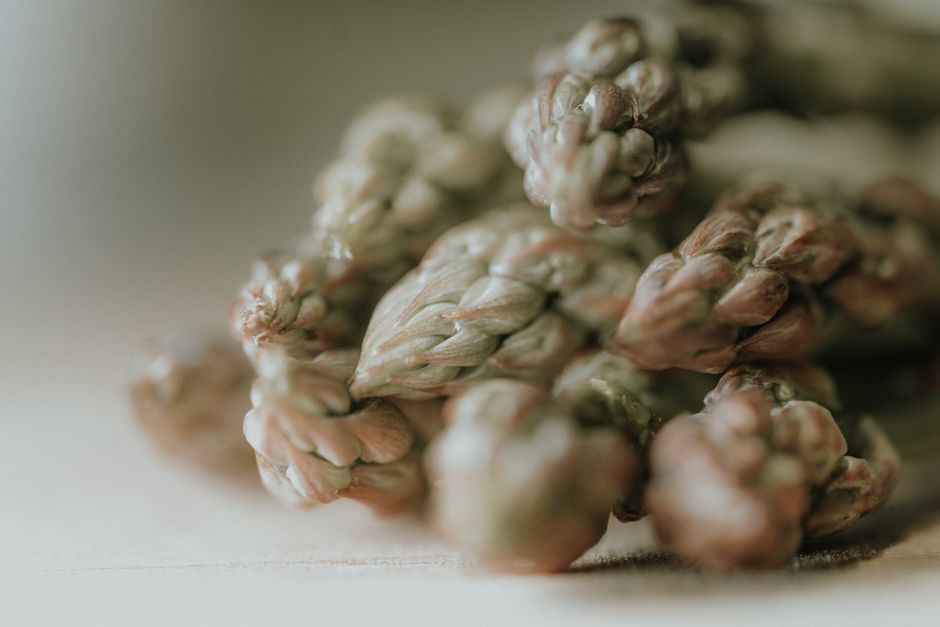
Yes, you can eat asparagus raw. It is a safe vegetable to eat uncooked, and people have eaten it that way for a long time. The bigger question is whether you will enjoy it, because raw asparagus is firm, fibrous, and has a stronger grassy flavor than the cooked spears most of us know.
There is no safety reason to avoid raw asparagus for most healthy adults. The plant is not toxic, and it does not contain the compounds that make some vegetables risky to eat uncooked. The main issues are texture, taste, and how your stomach handles the fiber.
Is Raw Asparagus Safe to Eat?
Raw asparagus is safe for most healthy people. It is a normal edible vegetable, not a plant with toxic parts that must be cooked away.
Some vegetables carry real risks when eaten raw. Kidney beans contain a toxin that causes illness unless they are boiled. Cassava needs processing. Asparagus is not in that category. There is no established toxin in asparagus that cooking needs to destroy.
The one consistent caution with any raw vegetable is contamination. Asparagus can carry bacteria or parasites from soil, water, or handling, just like lettuce or carrots. Washing it under running water before you eat it is the standard step, and it applies whether you cook the spears or not.
People with weakened immune systems may be advised to be more careful with raw produce in general. That is a broad food-safety principle, not something specific to asparagus.
What Does Raw Asparagus Taste Like?
Raw asparagus tastes grassy, slightly bitter, and much more vegetal than cooked asparagus. Cooking softens the flavor along with the texture.
The flavor difference comes down to heat. When you cook asparagus, heat breaks down cell walls and changes the chemistry of the plant. Sugars caramelize, bitter compounds mellow, and the sharp green edge fades. Raw, none of that happens. You get the plant as it is.
Texture matters as much as taste here. A raw spear is crisp near the tip and tough toward the base. The woody end that you would normally snap off or trim is even more fibrous raw. Most people who eat raw asparagus slice it very thin or shave it, rather than biting into a whole spear.
How Do You Prepare Raw Asparagus?
The trick with raw asparagus is cutting it small enough to eat comfortably. Thin slicing does more for the eating experience than any dressing or marinade.
- Rinse the spears under running water and pat them dry.
- Snap or cut off the woody base, the part that is too tough to chew.
- Slice the remaining spears as thinly as you can, ideally on a sharp diagonal.
- Add them to salads, grain bowls, or slaws where a crisp bite works.
A vegetable peeler can shave raw spears into ribbons. Those ribbons are far easier to chew than thick coins. If you want to soften the texture slightly without cooking, a brief soak in cold water will not do much, but a short rest in an acidic dressing like lemon juice or vinegar can tenderize the surface a little. That is a texture trick, not a safety step.
Thin raw slices work well alongside stronger flavors. Sharp cheese, citrus, olive oil, and toasted nuts all stand up to the grassy taste. The point is to treat raw asparagus like a crisp salad vegetable, not a substitute for a cooked side dish.





Raw vs Cooked Asparagus: What Changes?
Cooking changes both the nutrients and the texture of asparagus. Some nutrients hold up better than others, and the differences are worth knowing.
Asparagus is a good source of folate, vitamin K, and vitamin C, among other nutrients. Heat affects these differently. Vitamin C is sensitive to heat and cooking can reduce it. Folate can also be lost during cooking, partly because it leaches into the cooking water. Vitamin K is more stable.
That does not automatically make raw asparagus the more nutritious choice. Cooking breaks down cell walls, which can make some nutrients easier for the body to absorb. So raw asparagus may keep more heat-sensitive vitamins, while cooked asparagus may release others more effectively. The honest summary is that both forms have value, and the difference is not dramatic enough to build a diet around.
One practical point: if you boil asparagus, some water-soluble nutrients end up in the water. Steaming or roasting tends to preserve more than boiling. That is a general cooking principle that applies to many vegetables, not just asparagus.
| Factor | Raw Asparagus | Cooked Asparagus |
|---|---|---|
| Texture | Firm, fibrous, crisp | Soft, tender |
| Flavor | Grassy, slightly bitter | Milder, sweeter |
| Heat-sensitive vitamins | Better preserved | Some loss, varies by method |
| Chewing effort | Higher | Lower |
| Ease on digestion | Harder for some people | Generally easier |
Can Raw Asparagus Cause Digestive Problems?
Raw asparagus can be harder on the gut than cooked asparagus, especially in large amounts. The fiber is the reason.
Asparagus contains fiber, including types that gut bacteria ferment. Raw asparagus delivers that fiber in a tougher package, so it takes more work to break down. For some people, that means bloating, gas, or an unsettled stomach after eating a lot of it raw.
Asparagus also contains a carbohydrate called raffinose, which humans cannot fully digest. Gut bacteria ferment it instead, and that process produces gas. Raffinose is found in beans and some other vegetables too, which is part of why those foods have a reputation for causing gas. Cooking does not remove raffinose, but softer cooked texture can be easier to tolerate overall.
If raw asparagus bothers your stomach, that is not a sign something is wrong with you. It is a normal response to a fibrous raw vegetable. Smaller portions, thinner slices, or cooking the spears can all help.
Who Should Be Careful With Raw Asparagus?
Most people can eat raw asparagus without issue. A few groups have reasons to be more cautious.
Anyone with a sensitive digestive system may find raw asparagus uncomfortable, particularly in large amounts. People who follow a low-fiber diet for a medical reason should treat raw asparagus the way they treat other high-fiber raw vegetables, which usually means limiting it or cooking it.
People with a known allergy to asparagus should avoid it in any form. Asparagus allergy is uncommon but has been reported. If you have reacted to asparagus before, cooking does not reliably make a food safe for someone with a true allergy, so this is a conversation to have with a clinician rather than something to test on your own.
For everyone else, the main caution is the same one that applies to all raw produce: wash it first. That reduces the chance of foodborne illness from contamination on the surface.
Why Does Asparagus Make Urine Smell?
Asparagus can give urine a distinct smell, and this happens whether the asparagus is raw or cooked. The effect comes from sulfur-containing compounds in the plant that the body breaks down into odor-causing byproducts.
Not everyone notices it, and that is normal. Some people produce the smell but cannot detect it, and some people do not seem to produce it at all. Both the ability to make the compounds and the ability to smell them appear to vary from person to person. The asparagus-urine effect is harmless. It is not a sign of a health problem.
Does Cooking Destroy Anything Harmful?
Cooking asparagus does not remove a toxin, because asparagus does not contain a toxin that needs removing. That is the key difference between asparagus and vegetables like kidney beans, which are genuinely unsafe to eat raw.
What cooking does is change texture and flavor, and it reduces certain heat-sensitive nutrients. It also kills surface bacteria if the asparagus is cooked thoroughly, which is a food-safety benefit shared by all cooked vegetables. But the reason to cook asparagus is taste and texture, not safety.
So the choice between raw and cooked comes down to preference and how your body handles fiber. There is no rule that says one is correct.
Frequently Asked Questions
Can you eat asparagus raw?
Yes, raw asparagus is safe to eat for most healthy adults. Wash it first and slice it thin, since the raw texture is firm and fibrous.
Is raw asparagus healthier than cooked?
Neither form is clearly healthier overall. Raw asparagus keeps more heat-sensitive vitamins, while cooking can make some nutrients easier to absorb.
Why does raw asparagus cause gas?
Asparagus contains fiber and a carbohydrate called raffinose that gut bacteria ferment, which produces gas. Eating it raw in large amounts can make this more noticeable.
Can you eat the whole asparagus spear raw?
The woody base is too tough to chew comfortably, so it is usually trimmed off. The tender upper portion can be eaten raw, ideally sliced thin.
