
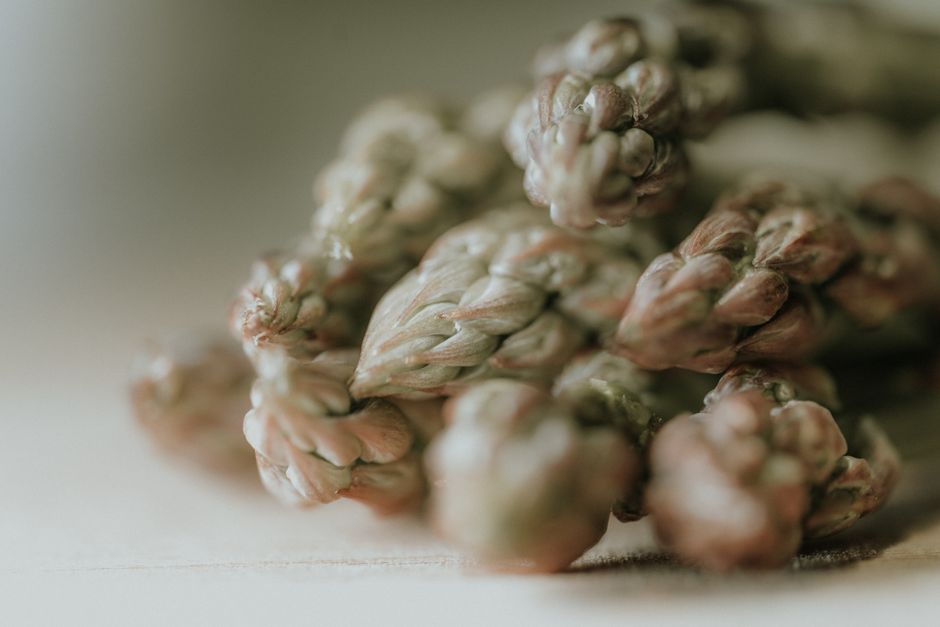
Yes, asparagus can be eaten raw. The spears are edible straight from the garden or the produce aisle, and no cooking step is required to make them safe for most healthy adults. Raw asparagus is crisp, mildly grassy in flavor, and nutritionally similar to the cooked version, though it is tougher to chew and harder for the body to break down.
That said, “safe to eat” and “pleasant to eat” are two different questions. Raw asparagus is firmer and more fibrous than most people expect. How you handle and prepare it matters more than whether it is technically edible.
Can Asparagus Be Eaten Raw?
Asparagus is not on any list of foods that must be cooked before eating. Unlike raw poultry, unpasteurized dairy, or certain sprouted seeds, it does not carry a well-documented foodborne illness risk that cooking is required to eliminate.
The plant itself contains no known toxin that cooking destroys. The compounds that give asparagus its characteristic smell after eating — sulfur-containing breakdown products of asparagusic acid — are present whether the spears are raw or cooked. Only some people produce these odor compounds, and only some of those can smell them. That trait is genetic and unrelated to how the vegetable is prepared.
The main difference between raw and cooked asparagus is texture and digestibility, not safety. Cooking softens the cell walls, which makes the vegetable easier to chew and allows the body to access more of certain nutrients. Raw asparagus retains more vitamin C, which is heat-sensitive, while cooking tends to increase the availability of some antioxidants such as beta-carotene and lutein.
For most healthy adults, eating a few raw spears is not a concern. The bigger practical issue is that raw asparagus is stringy and can be unpleasant to eat in large amounts.
Is Raw Asparagus Hard to Digest?
Raw asparagus is more difficult to digest than cooked asparagus, and that is a real limitation rather than a minor detail. The spears contain cellulose and other structural fibers that human digestive enzymes cannot break down. Cooking partially breaks these down through heat and moisture, which is why cooked asparagus feels tender and raw asparagus feels woody.
Chewing thoroughly helps, but it does not fully solve the problem. The fiber that reaches the colon intact is fermented by gut bacteria. For some people, that fermentation produces gas and bloating. For others, it produces no noticeable symptoms at all.
People with irritable bowel syndrome or other sensitive digestive conditions may find raw asparagus harder to tolerate than the cooked version. Asparagus contains fructans, a type of fermentable carbohydrate that can trigger symptoms in some people with IBS. This is not a reason to avoid it entirely, but it is worth knowing if raw vegetables tend to cause discomfort.
Asparagus also contains asparagine and other compounds that give it a mild diuretic effect. This is a normal property of the vegetable and not a sign of a problem.
How Should You Prepare Raw Asparagus?
The tough, fibrous end of the spear is the part most people discard when cooking, and the same rule applies raw. Bend a spear near the base. It will snap naturally at the point where the woody section begins. That lower portion is too fibrous to eat comfortably raw even if you chew it well.
The tender upper portion can be eaten as is. A few practical approaches:
- Slice the spears very thin on a sharp diagonal. Thin slices are far easier to chew than whole spears.
- Use a vegetable peeler to shave the spears into ribbons for salads.
- Cut the tips off and add them whole to salads or grain bowls.
- Chill the spears in ice water for a few minutes before serving to firm them up and improve the crunch.
Some people blanch raw asparagus for 30 to 60 seconds in boiling water and then plunge it into ice water. This softens the texture slightly while preserving more of the raw character than full cooking would. It is a middle ground rather than a raw preparation, but it is a reasonable option if whole raw spears feel too tough.
Wash the spears under running water before eating. Asparagus grows close to the soil, and grit can collect in the tips. There is no need for soap or special produce wash.





Does Raw Asparagus Have the Same Nutrition as Cooked?
Raw and cooked asparagus are nutritionally similar, but not identical. Cooking changes the availability of certain nutrients in both directions. Some are lost to heat and water, and others become easier for the body to absorb.
According to USDA nutritional data, asparagus is a good source of vitamin K, folate, and vitamin C, and a source of several other vitamins and minerals. It is low in calories and provides fiber.
| Nutrient | Raw asparagus | Cooked asparagus |
|---|---|---|
| Vitamin C | Higher — heat-sensitive, so more is retained | Lower — some is lost during cooking |
| Folate | Present, but less bioavailable | Some loss to heat, but generally well retained |
| Beta-carotene and lutein | Present but less available for absorption | More available — cooking helps release these compounds |
| Fiber | Intact and harder to digest | Partially broken down, easier on the gut |
| Calories | Very low | Very low, unless added fat is used |
The differences are modest. If you eat asparagus regularly, the raw and cooked forms both contribute useful nutrition. The choice between them has more to do with texture and digestive comfort than with any meaningful nutritional advantage.
One point worth clarifying: boiling asparagus in a large volume of water leaches water-soluble vitamins like vitamin C and folate into the cooking water. Steaming, roasting, or grilling preserves more of these nutrients than boiling does. This is well established in food science research and applies to most water-soluble vitamins in vegetables.
Are There Any Risks to Eating Raw Asparagus?
For most healthy adults, the risks are minimal. The main concerns are foodborne pathogens from contaminated produce and digestive discomfort from the fiber.
Asparagus, like all fresh produce, can carry bacteria such as Salmonella or E. coli if it has been contaminated during growing, harvesting, or handling. Washing under running water reduces but does not eliminate this risk. Cooking kills these bacteria. This is why food safety guidance generally recommends cooking produce for people at higher risk of severe foodborne illness.
That group includes pregnant women, young children, older adults, and anyone with a weakened immune system. For these people, the cautious approach is to cook asparagus rather than eat it raw. This is standard food safety guidance for raw produce in general, not a specific warning about asparagus.
Rarely, asparagus can trigger an allergic reaction in sensitive individuals. Symptoms would resemble other food allergies — itching, hives, or in serious cases difficulty breathing. Anyone who experiences these symptoms after eating asparagus should seek medical attention.
Asparagus is also high in vitamin K, which can interact with blood-thinning medications such as warfarin. People taking these medications are usually advised to keep their vitamin K intake steady rather than avoid it. If you take a blood thinner, talk to your doctor before making large changes to how much asparagus you eat, raw or cooked.
Why Do Some People Say Raw Asparagus Is Unsafe?
The claim that raw asparagus is unsafe does not hold up. There is no established evidence that raw asparagus poses a specific health risk beyond the general risks of eating any raw produce.
What likely drives the confusion is the texture. Raw asparagus is genuinely tough, and some people find it unpleasant or hard to chew. That practical difficulty gets repeated as a safety concern, which it is not.
A related myth is that asparagus must be cooked to remove “toxins.” Asparagus does not contain toxins that cooking removes. The sulfur compounds that produce the smell in urine are not harmful, and they are present regardless of preparation.
A third claim — that raw asparagus is more nutritious than cooked — is also oversimplified. It is higher in vitamin C, but lower in available beta-carotene and lutein. Neither form is clearly superior across the board.
Frequently Asked Questions
Can you eat raw asparagus straight from the garden?
Yes, but wash it thoroughly under running water first to remove soil and any surface bacteria. The same food safety guidance that applies to other garden produce applies here.
Is raw asparagus safe during pregnancy?
Food safety guidance generally recommends cooking raw produce during pregnancy to reduce the risk of foodborne illness. Cooked asparagus is the safer choice for pregnant women.
Does raw asparagus cause gas or bloating?
It can, because it contains fiber and fructans that gut bacteria ferment. People with IBS or sensitive digestion may notice more symptoms from raw asparagus than from the cooked version.
How much raw asparagus is safe to eat?
There is no established limit for healthy adults, but most people find a few spears is comfortable. Large amounts are more likely to cause bloating or digestive discomfort.
