
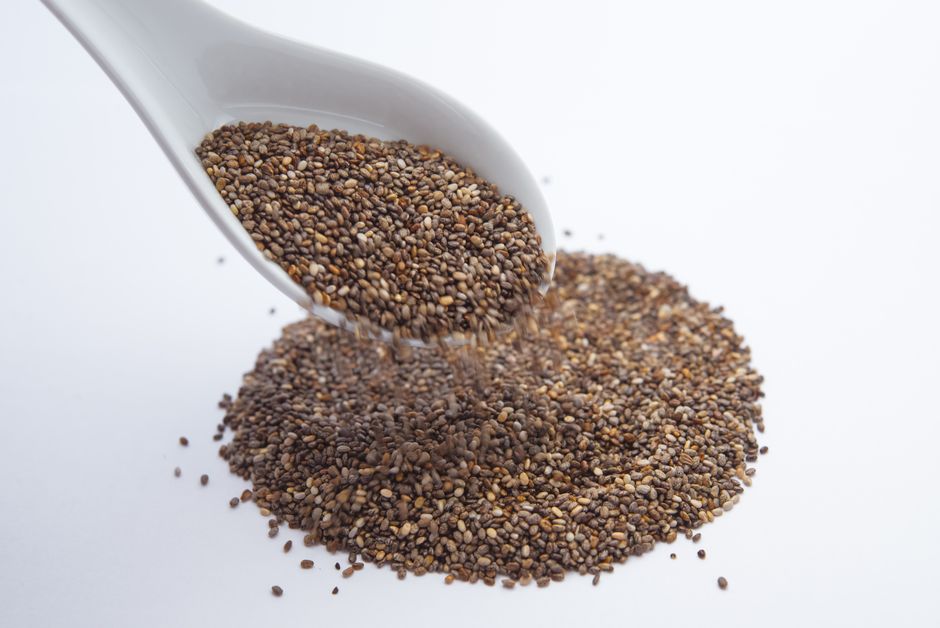
Chia seeds do not need to be soaked, but soaking changes them in ways that matter for how you eat them. Dry chia seeds absorb liquid — up to several times their weight — and form a gel. Soaking before eating can make them easier to swallow and gentler on some people’s digestion. It does not add nutrients or make a “toxin” disappear.
The short answer to “do you have to soak chia seeds” is no. The longer answer is that soaked and dry chia behave differently in your body and on your plate. Here is what the evidence actually supports.
Do You Have to Soak Chia Seeds Before Eating Them?
No. Dry chia seeds are safe to eat and are sold as a ready-to-eat food. People have eaten them unsoaked for centuries, and food safety agencies treat them as a normal food ingredient when consumed in reasonable amounts.
Soaking is a preference, not a requirement. It changes texture, makes the seeds expand before they reach your stomach, and can help if you find dry seeds stick in your throat. That is a comfort issue, not a safety rule.
There is one practical caution worth knowing. Dry chia seeds absorb a lot of liquid quickly. Eating a large spoonful of dry seeds and then drinking water can cause the seeds to swell in your esophagus, which is uncomfortable and, in rare reported cases, has caused a blockage. This is uncommon, but it is why eating chia alongside adequate fluid — or soaking first — is the more sensible habit.
What Actually Happens When You Soak Chia Seeds?
The seeds absorb water and the soluble fiber around each seed forms a clear gel. This is a physical change, not a chemical transformation. The nutrients inside the seed stay the same.
The gel comes from mucilage, a type of soluble fiber. When chia meets liquid, the outer layer of the seed swells and creates that gelatinous coating. It happens in water, milk, juice, or yogurt — anything with enough moisture.
Soaking time affects texture more than nutrition. A short soak gives a looser gel; a longer one gives a thicker pudding-like consistency. There is no established “correct” soak time, and no evidence that a specific duration changes the health effects.
One clarification worth making: soaking does not “activate” chia seeds or remove antinutrients in any meaningful way that has been shown to matter for most people. Chia is already low in the compounds that block mineral absorption compared with many other seeds and grains.
Does Soaking Chia Seeds Change Their Nutrition?
The nutrient content of the seed itself stays essentially the same whether soaked or dry. What changes is the water content, which dilutes the nutrients per spoonful of the soaked gel — not because nutrients are lost, but because you are eating more water.
Chia seeds are a genuine source of several nutrients. Per ounce (about 28 grams), according to USDA data, chia provides roughly:
- About 11 grams of fiber
- About 4 to 5 grams of protein
- Significant amounts of alpha-linolenic acid (ALA), an omega-3 fat
- Calcium, phosphorus, and magnesium
Soaking does not destroy the omega-3 fats or the minerals. A common claim is that soaking “makes nutrients more absorbable.” Some studies suggest that soaking seeds and grains can reduce phytate, a compound that binds minerals. For chia specifically, the evidence that soaking meaningfully improves mineral absorption in people is limited. It is a reasonable hypothesis, not a demonstrated benefit.




Is It Better to Eat Chia Seeds Soaked or Dry?
Neither is clearly better for health. The choice comes down to what your body tolerates and how you want to use them.
Soaked chia is often easier on digestion. The gel is soft, mixes into foods easily, and may be gentler for people who find dry seeds cause bloating or a scratchy feeling in the throat. If you have a sensitive stomach or a history of swallowing difficulty, soaked is the more comfortable option.
Dry chia works fine sprinkled on yogurt, oatmeal, or salads. It adds crunch and thickens liquids over time as it absorbs moisture. Just drink enough fluid with it.
A practical point: chia is high in fiber. Eating a large amount quickly — soaked or dry — can cause gas, bloating, or loose stools, especially if your diet is normally low in fiber. Increasing gradually and drinking enough water matters more than whether you soak.
Does Soaking Chia Seeds Help With Weight, Blood Sugar, or Digestion?
Some studies suggest chia seeds can modestly affect appetite and blood sugar, largely because their soluble fiber slows digestion and adds bulk. The evidence is not strong enough to call chia a weight-loss or blood-sugar treatment.
Here is the honest position. Chia’s fiber does form a gel that slows how quickly food leaves the stomach, and that can increase feelings of fullness. Whether this translates into meaningful weight loss over time is not established. Trials on chia and body weight have been small and results have been mixed.
For blood sugar, some research indicates chia may blunt the rise in blood sugar after a meal when eaten with food. This is a modest effect and not a substitute for diabetes management. If you take blood sugar medication, talk to your clinician before making chia a large part of your diet.
For digestion, the fiber in chia can help keep bowel movements regular — the same way other soluble fibers do. Soaking does not create a special digestive benefit beyond what the fiber already provides.
Are There Any Risks to Soaking or Eating Chia Seeds?
Chia is generally well tolerated, but a few real cautions exist. The most important is the swelling issue with dry seeds and limited fluid, described earlier.
People with swallowing difficulties should be cautious with dry chia in particular. The seeds can clump and expand, which is a choking and blockage risk for anyone with a narrowed esophagus or a history of swallowing problems.
Chia is a seed, and seed allergies exist, though chia allergy is uncommon. If you have known allergies to other seeds, introduce chia cautiously.
Because chia can affect blood sugar and blood pressure modestly, people on medication for either should mention it to their clinician rather than assume it is inert. And because chia is high in fiber, anyone with a digestive condition that requires a low-fiber diet should check with their doctor first.
For most healthy adults, chia seeds — soaked or dry, in normal food amounts — are a safe and useful addition to the diet. The main thing to get right is fluid and portion size, not whether you soak.
Frequently Asked Questions
Do you have to soak chia seeds before eating them?
No, chia seeds are safe to eat dry and are sold as a ready-to-eat food. Soaking only changes texture and can make them easier to swallow.
How long should you soak chia seeds?
There is no established required soak time; most people soak them for about 15 to 20 minutes for a loose gel or longer for a thicker pudding. The duration affects texture, not the seed’s basic nutrition.
Can eating dry chia seeds be dangerous?
Dry chia can swell and cause blockage if eaten in large amounts with too little fluid, and rare cases have been reported. Eating them with adequate liquid or soaking first lowers this risk.
Does soaking chia seeds remove nutrients?
No, the seed’s nutrients stay essentially the same when soaked. Soaked chia simply contains more water, so a spoonful delivers fewer nutrients per bite than dry seeds.
