
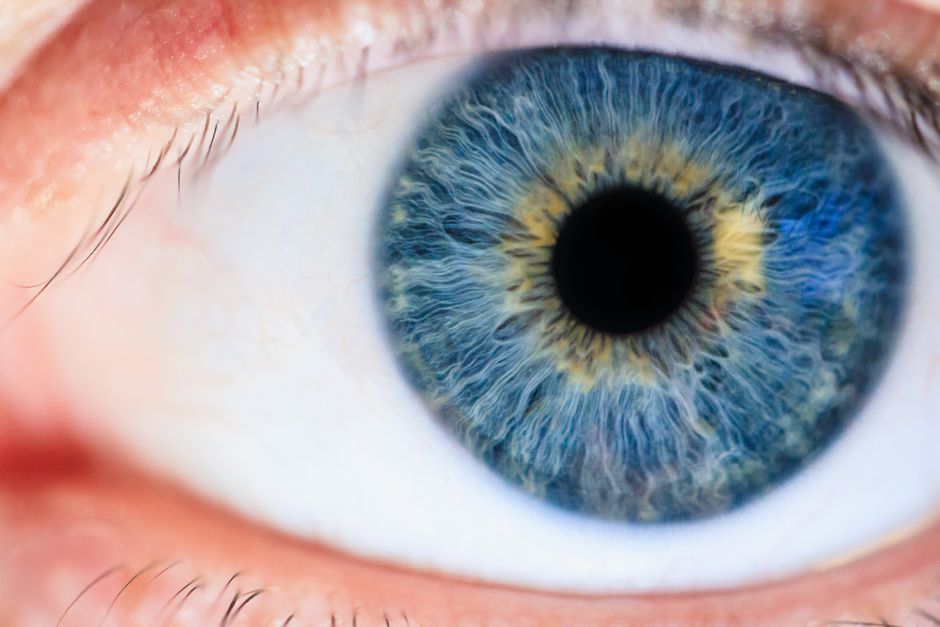
Your pupils change size all day long, and you never notice. They widen in dim light, narrow in bright sun, and shift slightly when something catches your attention. That is the pupil doing its job. But when the pupils stay wide in normal light, or widen suddenly without a clear reason, it can point to something worth understanding. The short answer: eyes dilate when the muscles of the iris relax or contract in response to light levels, focus distance, brain chemistry, medications, or — less often — a medical problem. Most dilation is normal. Some of it is a signal.
What Causes Eyes To Dilate?
Dilation, called mydriasis, happens when the dilator muscle — a ring of radial fibers in the iris — contracts and pulls the pupil open. At the same time, the circular sphincter muscle that normally keeps the pupil small relaxes. The balance between these two muscles sets pupil size.
Two branches of the nervous system control that balance. The parasympathetic system, carried by the oculomotor nerve, tightens the sphincter and keeps the pupil small. The sympathetic system triggers the dilator muscle to widen the pupil. Anything that shifts the balance toward sympathetic activity — or interrupts the parasympathetic signal — produces a larger pupil.
That is the mechanism. The causes behind it fall into a few broad groups:
- Light level. The most common and completely normal cause. Pupils widen in dim light to let in more of it.
- Focus distance. Looking at something far away widens the pupil slightly; looking at something close narrows it.
- Arousal and emotion. Excitement, fear, surprise, and mental effort can all produce mild dilation.
- Medications and drugs. Many prescription and recreational substances widen the pupil.
- Medical conditions. A range of eye, nerve, and brain problems can affect pupil size.
Separating the everyday causes from the concerning ones is mostly about context: Is the dilation equal in both eyes? Does it respond to light? Did it come on suddenly? Is there pain or vision change?
How Does Light Control Pupil Size?
The pupil is an aperture, not a camera lens. It does not focus light — the cornea and lens do that. The pupil only controls how much light reaches the retina.
In bright conditions, light-sensitive cells in the retina signal the brain, which sends parasympathetic instructions back through the oculomotor nerve to tighten the sphincter. The pupil shrinks. In dim conditions, that signal drops off, the dilator muscle takes over, and the pupil widens. This is the light reflex, and it is fast — typically within a second or so of a change in lighting.
One detail worth knowing: the reflex is wired so that shining a light in one eye normally causes both pupils to constrict. The eye receiving light constricts directly; the other constricts consensually. A doctor testing your pupils is checking that this pathway works on both sides. If one pupil reacts differently from the other, that asymmetry matters more than the absolute size.
Age changes baseline pupil size too. Pupils tend to be largest in youth and gradually become smaller through adulthood. A pupil that looks large in a young person may be entirely normal.
Which Medications And Drugs Cause Dilated Pupils?
A long list of substances can widen the pupil. Some do it directly by acting on the iris muscles; others act through the nervous system.
Medications that can dilate pupils include:
- Anticholinergic drugs, such as certain antihistamines, motion sickness medicines, and some antidepressants
- Eyedrops used in eye exams (these are designed to dilate the pupil and can last hours)
- Some asthma and cold medications containing sympathomimetic ingredients
- Certain antipsychotics and Parkinson’s medications
- Botox injections near the eye, in some cases
Recreational and other substances that commonly widen pupils include stimulants such as amphetamines and cocaine, MDMA, LSD, psilocybin, and cannabis in some users. Alcohol can affect pupil size too, though the effect varies. Withdrawal from opioid drugs can also produce large pupils.
This is where a common assumption goes wrong. People often treat dilated pupils as a reliable sign of drug use. They are not. Many prescription medicines, lighting conditions, and ordinary emotions produce the same appearance. Pupil size alone cannot identify a substance, and no clinician would diagnose drug use on that basis alone.




Can Emotions And Mental State Change Pupil Size?
Yes. The pupils respond to what is happening inside your head, not just outside your eyes.
Psychological or emotional arousal activates the sympathetic nervous system, which nudges the dilator muscle. Fear, surprise, sexual arousal, and intense concentration can all produce measurable dilation. Research on pupil response has found that the pupils widen slightly in response to mental effort and to emotionally significant stimuli — a field called pupillometry studies this.
The effect is usually modest. Emotional dilation is rarely dramatic enough to be obvious across a room, and it is brief. A pupil that stays widely dilated for hours is not explained by emotion.
Some people also notice their pupils look larger in photos taken with a flash or in low light. That is the light reflex at work, not an emotional state.
When Is A Dilated Pupil A Medical Concern?
Most dilated pupils are benign. A few patterns deserve prompt medical attention. The key features doctors look for are sudden onset, one-sided dilation, pain, vision change, and a pupil that does not react to light.
Seek urgent care if a dilated pupil comes with any of these:
- Sudden, severe headache, especially one unlike any you have had
- Drooping eyelid or double vision on the same side
- Eye pain, redness, or blurred vision
- Nausea, vomiting, confusion, or a stiff neck
- One pupil much larger than the other, especially if it does not shrink in bright light
- Dilation after a head injury
These signs can occur with serious conditions, including a type of glaucoma called acute angle-closure glaucoma, bleeding or swelling inside the head, nerve compression, or certain neurological problems. That does not mean these are likely — they are uncommon. It means the symptoms are worth checking quickly rather than watching at home.
A single large pupil with a droopy eyelid can also reflect a problem with the sympathetic nerves on one side of the face, a pattern clinicians call Horner syndrome. Some cases are harmless; others point to an underlying issue. It needs evaluation, not self-diagnosis.
Dilation from eye drops given during an exam is expected and temporary. It usually fades over several hours, though the exact duration depends on the drop used. If you are unsure whether your dilation is from drops, ask the clinic that administered them.
What Else Can Affect Pupil Size?
Several everyday factors and health conditions change pupil size without any drama.
Age is one. As noted, pupils tend to shrink gradually with age, so a large pupil in a younger person is often just baseline anatomy.
Eye color plays a minor role. Lighter irises may show pupil size more visibly, though the actual pupil diameter is not dramatically different.
Refractive surgery and some eye procedures can affect how the pupil responds, at least temporarily.
Neurological conditions such as migraine can sometimes involve pupil changes, though this varies widely between people.
Systemic conditions that affect the autonomic nervous system — the network controlling involuntary functions — can alter pupil size. Diabetes is one example, because it can affect the nerves that control the pupil over time. In that setting, pupil changes are usually gradual and noticed during an eye exam rather than suddenly at home.
One clarification worth making: unequal pupils, called anisocoria, are common and often harmless. Many people are born with a slight difference in pupil size and never know it. A difference that has always been there is very different from one that appeared suddenly. The change over time is what matters, not the difference itself.
When Should You See A Doctor About Dilated Pupils?
See a doctor promptly if a dilated pupil is new, one-sided, painful, or paired with vision changes, headache, or other neurological symptoms. If you are not sure, err toward being seen. A pupil exam is quick and non-invasive.
You can also check a few things at home before you call. Look in a mirror under bright light and see whether both pupils shrink. Compare the two sides. Note whether the dilation came on suddenly or has been there as long as you can remember. Note any new medications, eye drops, or substances. That information helps a clinician sort out the cause faster.
Do not try to treat a dilated pupil yourself with eyedrops or home remedies. There is no safe self-treatment for a pupil that is not behaving normally, and some causes — particularly acute angle-closure glaucoma — can worsen quickly without proper care.
Frequently Asked Questions
What causes eyes to dilate suddenly?
Sudden dilation can come from a change in lighting, a new medication or eye drop, emotional arousal, or a medical problem such as nerve compression or acute angle-closure glaucoma. If it appears without an obvious cause and comes with pain, headache, or vision change, get medical attention promptly.
Is it normal for one pupil to be bigger than the other?
A slight difference in pupil size is common and often present from birth, which is generally harmless. A difference that appears suddenly, or one pupil that does not react to light, should be checked by a doctor.
Can stress cause dilated pupils?
Yes. Emotional arousal activates the sympathetic nervous system and can widen the pupils modestly. The effect is usually small and brief, so pupils that stay widely dilated for hours are not explained by stress alone.
Do dilated pupils always mean drug use?
No. Many prescription medications, eye drops, lighting conditions, and normal emotions can widen the pupils. Pupil size alone cannot identify drug use, and a clinician would not diagnose it on that basis.
