
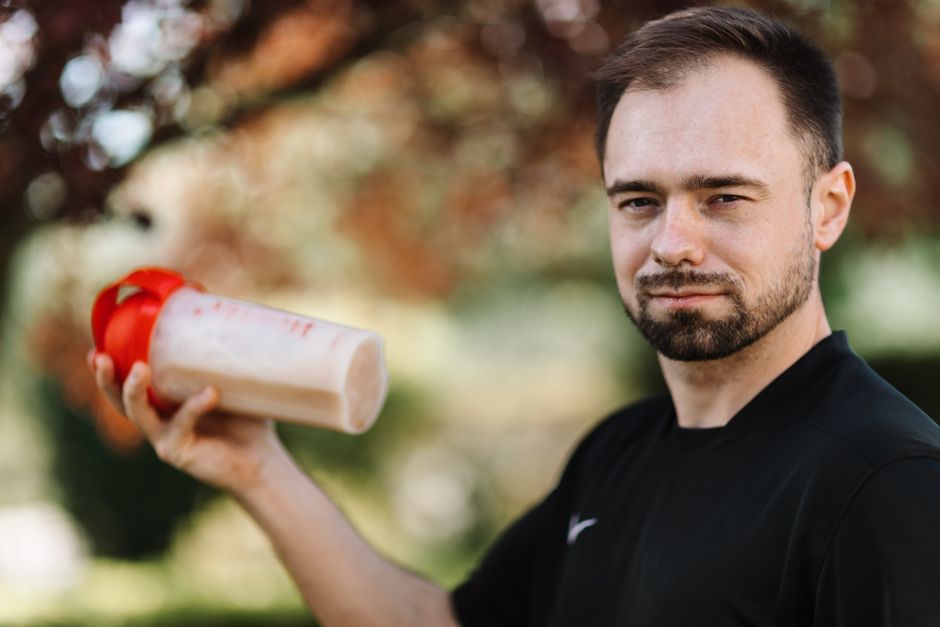
Can you drink protein shakes with diverticulitis? Yes, if your digestive system is currently calm and handling food normally. During an active flare, the answer changes — most people need to pause protein shakes and follow a low-fiber or liquid diet guided by their doctor. The right answer depends entirely on whether you are in a flare or in a stable phase.
Diverticulitis is inflammation or infection of small pouches called diverticula that form in the colon wall. What you eat during and between flares matters. Protein shakes are not automatically off-limits, but the type of shake, its fiber content, and your current symptoms all affect whether it is a good choice right now.
What Happens to Your Colon During Diverticulitis?
Diverticula are small pockets that push outward through weak spots in the colon wall. They are common after age 40 and very common after 60. Most people who have them never develop problems.
Diverticulitis happens when one or more of these pouches becomes inflamed or infected. The result is abdominal pain — usually in the lower left side — along with fever, nausea, and a change in bowel habits. Some people also notice bloating or tenderness when the area is pressed.
During a flare, the inflamed segment of colon does not tolerate roughage well. Doctors typically recommend a temporary low-fiber or clear-liquid diet to let the bowel rest. Solid food, including high-fiber foods and certain protein sources, may need to be reduced or paused for a short time. Once symptoms improve, fiber is gradually added back.
Between flares, the picture is different. A high-fiber diet is generally recommended for people with diverticular disease to help keep stool soft and reduce pressure inside the colon.
Can You Drink Protein Shakes With Diverticulitis?
You can drink protein shakes during a stable, symptom-free period if your colon tolerates them. During an active flare, most clinicians advise against them until symptoms resolve.
The reason is not that protein itself is harmful. It is that a protein shake is still a meal-like volume of liquid entering a colon that is trying to rest. Some shakes also contain fiber, sugar alcohols, or dairy that can worsen bloating and cramping when the bowel is inflamed.
If you are in a stable phase and your doctor has cleared you for a regular diet, a simple protein shake can be a convenient way to meet protein needs — especially if your appetite is low or you are recovering from a flare and struggling to eat enough.
Which Protein Shakes Are Easier on the Colon?
Not all protein shakes are equal when your colon is sensitive. The base, the protein source, and the added ingredients all matter.
- Whey isolate — lower in lactose than whey concentrate, often easier to tolerate for people with mild lactose sensitivity.
- Plant-based proteins — pea, rice, or soy protein are dairy-free options. Some people find them easier during recovery.
- Clear or hydrolyzed whey — these are processed to be easier to digest, though individual tolerance varies.
- Unflavored or lightly sweetened — fewer additives means fewer potential irritants.
Ingredients to watch for during a sensitive phase include sugar alcohols (sorbitol, xylitol, maltitol), added fiber (inulin, chicory root), and large amounts of artificial sweeteners. These can cause gas and bloating in anyone, and more so when the colon is inflamed.
Dairy-based shakes are not automatically a problem. Lactose intolerance is separate from diverticulitis, but the two can overlap. If dairy tends to bother you generally, a plant-based option may sit better.



When Should You Avoid Protein Shakes Entirely?
Avoid protein shakes during an active flare, or any time your doctor has placed you on a clear-liquid or low-fiber diet. Follow that guidance until symptoms improve and you are told to advance your diet.
Signs you are in a flare include:
- Persistent abdominal pain, often lower left
- Fever or chills
- Nausea or vomiting
- Constipation or diarrhea
- Bloating and tenderness
If you have any of these, do not try to push through with a protein shake. Contact your doctor. Some flares require antibiotics, and some — particularly those with severe pain, high fever, or signs of complications — need urgent evaluation.
You should also pause protein shakes if a specific product consistently causes cramping, gas, or loose stools even when you are otherwise well. That is a tolerance issue, not necessarily a diverticulitis issue, but it still matters.
How Much Protein Do You Actually Need?
Most healthy adults need roughly 0.8 grams of protein per kilogram of body weight per day. For a 150-pound adult, that is about 54 grams. People recovering from illness, older adults, and those with increased needs may require more, but specific targets should come from your doctor or a registered dietitian.
During a diverticulitis flare, meeting protein needs can be hard because appetite drops and food choices are limited. This is one reason some clinicians allow clear liquid protein supplements during recovery — but only under guidance. Do not assume a protein shake is appropriate just because it is liquid.
No clinical guidelines currently exist for protein intake specifically during a diverticulitis flare. If your doctor gives you a target, follow it. If not, ask before adding shakes back in.
Does Fiber in Protein Shakes Matter?
Fiber content matters a lot, and it cuts both ways depending on your phase.
During a flare, added fiber in a protein shake can make symptoms worse. The colon is inflamed and does not need extra roughage. Check labels — some “meal replacement” or “greens” shakes contain several grams of fiber per serving.
Between flares, fiber is generally helpful. A high-fiber diet is commonly recommended for diverticular disease to keep stool soft. But that fiber is usually best obtained from food — fruits, vegetables, whole grains, and legumes — rather than from a shake.
If you want fiber, food sources are the standard recommendation. If you want protein, choose a shake without added fiber during sensitive periods.
What About Protein From Food Instead?
Whole-food protein sources are usually the better long-term choice once you are stable. They come with other nutrients and are part of a normal diet.
During a stable phase, well-tolerated protein foods include:
- Eggs
- Poultry and fish
- Lean meat
- Tofu
- Cooked, soft legumes if tolerated
- Dairy if you tolerate it
During a flare, your doctor may restrict many of these. Follow that plan. Once you are cleared to advance your diet, add foods back gradually and note what you tolerate.
Protein shakes are a convenience, not a requirement. If whole foods work for you, they are generally preferable. If your appetite is poor or you are recovering, a shake can fill a gap — but it is not a treatment for diverticulitis and it will not prevent flares.
Can Protein Shakes Prevent Diverticulitis Flares?
No. There is no evidence that protein shakes prevent diverticulitis or reduce flare frequency.
What is generally recommended for diverticular disease is a high-fiber diet, adequate hydration, and regular physical activity. These are associated with better bowel health overall. Protein shakes are not part of that recommendation.
Some marketing claims suggest certain supplements support “gut health” or “colon function.” No clinical evidence currently confirms that protein shakes prevent diverticulitis flares. Treat those claims with skepticism.
The Bottom Line
Protein shakes are not forbidden if you have diverticulitis — but timing matters. During a flare, pause them and follow your doctor’s diet instructions. Between flares, a simple, low-additive protein shake is usually fine if you tolerate it.
Choose shakes without added fiber or sugar alcohols when your colon is sensitive. Get most of your protein from food when you can. And if you are unsure whether you are in a flare, talk to your doctor before adding anything new.
Frequently Asked Questions
Can I drink a protein shake during a diverticulitis flare?
No, most clinicians advise against protein shakes during an active flare. Follow your doctor’s low-fiber or clear-liquid diet until symptoms resolve.
What protein shakes are safe for diverticulitis?
There is no officially “safe” list, but simple shakes with whey isolate or plant protein and no added fiber or sugar alcohols tend to be better tolerated. Individual tolerance varies, so introduce one at a time.
Does protein make diverticulitis worse?
Protein itself does not worsen diverticulitis. The issue during a flare is the volume and added ingredients in a shake, not the protein.
Can I drink protein shakes after a diverticulitis flare?
Yes, once your doctor clears you to advance your diet and you are symptom-free. Start with a small serving and see how your colon responds.
