
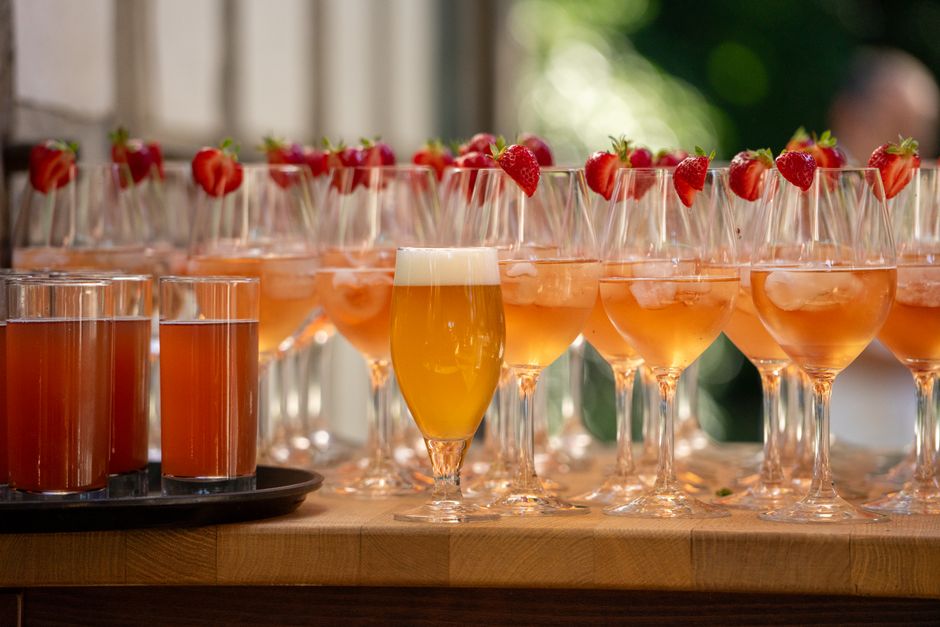
Yes, you can drink alcohol after taking Plan B. There is no known interaction between levonorgestrel — the active ingredient in Plan B One-Step and most generic emergency contraceptive pills — and alcohol. Drinking will not make the pill less effective at preventing pregnancy. The main concern is practical: alcohol can cause nausea and vomiting, and vomiting within a few hours of taking the pill may reduce how well it works.
That distinction matters more than most people realize. The pill and the drink don’t cancel each other out. But a rough night that ends with throwing up can affect absorption. Here is what the evidence actually shows, and where the real risks sit.
Does Alcohol Affect How Plan B Works?
No. Alcohol does not block, weaken, or interact with levonorgestrel. The two are processed by the body through different pathways, and there is no established pharmacological interaction between them.
Plan B works mainly by delaying or preventing ovulation. Levonorgestrel is a synthetic progestin that acts on the hypothalamus and pituitary to suppress the surge of luteinizing hormone that triggers an egg’s release. If ovulation has already happened, the pill does not end a pregnancy or affect an implanted embryo. Alcohol has no effect on any part of that process.
The one genuine overlap is the stomach. Both alcohol and levonorgestrel can cause nausea. If you vomit soon after swallowing the pill, it may not be fully absorbed. That is a timing problem, not a chemical one.
Can You Drink Alcohol On Plan B Without Reducing Its Effectiveness?
Drinking does not reduce Plan B’s effectiveness. The pill’s ability to delay ovulation depends on the drug reaching your bloodstream and acting on your hormonal cycle — not on what else is in your stomach or your blood at the time.
What can reduce effectiveness is vomiting the pill back up before it is absorbed. Labels for levonorgestrel emergency contraception generally advise that if you vomit within two hours of taking the dose, you should contact a clinician or pharmacist, because a replacement dose may be needed. Some sources use a three-hour window. The exact cutoff varies by product and by country’s guidance, so check the instructions that came with your specific pill or ask a pharmacist.
Alcohol raises the odds of nausea and vomiting. That is the honest link. A single drink is unlikely to cause a problem. Heavy drinking that leads to vomiting is where the practical risk lies.
What Happens If You Throw Up After Taking Plan B?
Vomiting soon after the dose is the situation that actually matters. If the pill comes back up before it is absorbed, your body may not get the full dose.
If this happens, contact a pharmacist or clinician promptly. They can advise whether you need another dose. Do not simply assume the first pill worked, and do not take a second dose on your own without checking — timing and product instructions matter.
Signs that alcohol is becoming the bigger problem include repeated vomiting, inability to keep fluids down, confusion, or feeling unusually drowsy. Those are reasons to get medical help for the alcohol itself, separate from any question about the pill.



Does Alcohol Make Plan B’s Side Effects Worse?
Alcohol can add to some of the same side effects Plan B already causes. The two can stack rather than interact.
- Nausea. Both can cause it, so drinking may make it more likely or more intense.
- Headache. Common with Plan B and with alcohol.
- Dizziness and fatigue. Both can contribute.
- Stomach discomfort. Possible with either.
This is a matter of overlapping symptoms, not a dangerous drug interaction. The combination is not known to be harmful in itself. The concern is comfort and the vomiting risk described above.
What Else Can Make Plan B Less Effective?
Body weight is the factor most often discussed, and the evidence is genuinely mixed. Some research suggests levonorgestrel emergency contraception may be less effective in people with higher body weight, but the data are not consistent enough to support a firm cutoff, and guidance varies. If you are concerned about weight and emergency contraception, a clinician or pharmacist can discuss options, including whether a copper IUD — which is used as emergency contraception and is not affected by body weight in the same way — might be appropriate.
Other factors with clearer evidence:
- Timing. Plan B works best the sooner it is taken after unprotected sex. It is labeled for use within 72 hours, and effectiveness declines as time passes.
- Certain medications. Some drugs, including certain epilepsy medicines and some HIV medicines, can reduce how well levonorgestrel works. If you take regular medication, mention it to a pharmacist.
- Repeated vomiting. As covered above, losing the dose before absorption is a real concern.
Alcohol is not on that list. It is worth being clear about that, because it is a common worry and the evidence does not support it.
Is It Safe To Drink After Taking Plan B?
There is no known safety problem with combining the two. Plan B is not a medication that carries a warning against alcohol, and no established interaction makes the combination dangerous.
The practical advice is modest. If you are going to drink, eat something and pace yourself, mainly to lower the chance of nausea and vomiting that could cost you the dose. If you tend to get sick when you drink, that is a reason to be careful on the night you take the pill.
One clarification worth making: Plan B is not an abortion pill and does not work after implantation. It is emergency contraception, full stop. Mixing up those categories leads to a lot of unnecessary worry — including the worry about alcohol, which is not a real issue for this drug.
When Should You Get Medical Help?
Get help if you cannot keep fluids down, if vomiting is severe or does not stop, or if you feel confused, very drowsy, or unwell in a way that concerns you. Those point to alcohol-related problems that need attention.
Also contact a clinician or pharmacist if you vomited soon after taking Plan B, if you take regular medication that might interact with it, or if you are unsure the pill stayed down. And if your period is late after using emergency contraception, a pregnancy test is the right next step — Plan B lowers the chance of pregnancy but does not eliminate it.
Frequently Asked Questions
Can you drink alcohol on Plan B?
Yes. Alcohol does not interact with levonorgestrel or reduce how well Plan B works. The only practical concern is that drinking can cause vomiting, which may affect absorption if it happens soon after the dose.
Does alcohol make Plan B not work?
No. There is no evidence that alcohol reduces the effectiveness of levonorgestrel emergency contraception. Vomiting the pill back up before it is absorbed is the real risk, not the alcohol itself.
What should I do if I throw up after taking Plan B?
Contact a pharmacist or clinician promptly, because you may need a replacement dose. Labels generally advise checking if you vomit within about two hours of taking the pill.
How long after taking Plan B can I drink?
You can drink at any time, since there is no interaction between alcohol and the pill. If you are prone to nausea or vomiting when drinking, it is safer to wait until you are confident the dose has stayed down.
