
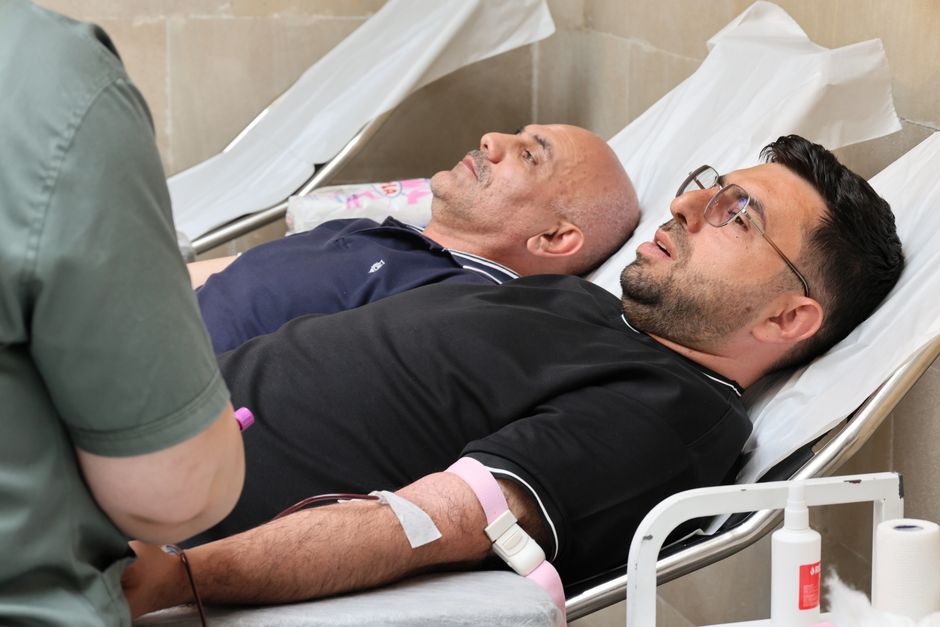
Can you donate blood while pregnant? No. Blood donation centers in the United States do not accept donations from anyone who is pregnant. This is not a gray area or a center-by-center policy. It is a standard deferral across the major blood collection organizations, and it applies for the entire duration of pregnancy.
The reason is not that your blood is somehow unsuitable. It is that donation removes a meaningful volume of blood and iron at a time when your body is already expanding its blood supply and building iron stores for a growing fetus. The risk to you and the risk to your pregnancy outweigh any benefit.
Why Are Pregnant Women Not Allowed to Donate Blood?
Pregnancy already puts substantial demand on your blood volume and iron reserves. Adding a donation on top of that demand is the core problem.
During pregnancy, plasma volume increases significantly — considerably more than red blood cell mass does. This imbalance is why many pregnant women develop what clinicians call dilutional anemia, where hemoglobin and hematocrit readings drop even though total red cell volume has gone up. A blood donation removes roughly a pint of whole blood, including the red cells and the iron inside them. For someone already running close to the edge on iron, that loss can tip them into a deficiency.
Iron matters here in a way that is easy to underestimate. Your body does not make iron. It recycles it and stores it. A single whole blood donation removes a substantial amount of iron, and it can take months for the body to replace it through diet alone. Pregnancy simultaneously requires more iron than usual to support the fetus, the placenta, and your own expanding red cell mass. Donating during this window competes directly with that requirement.
There is also the question of fainting and blood pressure. Blood donation can cause a drop in blood pressure and dizziness even in healthy non-pregnant adults. In pregnancy, the cardiovascular system is already working harder, and a fainting episode carries a fall risk that is more dangerous than it would be otherwise.
What About Donating Plasma or Platelets During Pregnancy?
Plasma and platelet donations are also deferred during pregnancy. The deferral is not limited to whole blood.
Plasma donation removes fluid and proteins rather than red cells, so the iron concern is smaller. But the volume shift and the physiological stress of the procedure are still present, and collection centers apply the same pregnancy deferral across donation types. There is no version of blood donation that is considered appropriate during pregnancy at US collection centers.
Can You Donate Blood While Breastfeeding?
Breastfeeding alone is generally not a reason for deferral, but there are important conditions attached.
Many blood centers allow donation while breastfeeding if you are not pregnant, meet the standard eligibility criteria, and are not anemic. The key issue is iron and hydration. Breastfeeding itself increases your fluid and nutrient demands, and if your iron stores are already depleted from pregnancy, a donation can worsen that.
Some centers ask that you wait a certain period after giving birth before donating, and the requirements can vary. The most reliable approach is to call the specific center you plan to use and ask about their current policy for postpartum and breastfeeding donors. Do not assume the rules are identical everywhere.
If you are breastfeeding and considering donation, it is reasonable to discuss it with your clinician first, particularly if you had anemia during pregnancy or heavy bleeding at delivery.




How Long After Giving Birth Can You Donate Blood?
Most US blood centers require a waiting period after delivery before you can donate. The exact interval varies by organization, and some centers apply different rules depending on whether you had a vaginal delivery or a cesarean section.
Rather than rely on a general number, check directly with the center you intend to use. They will tell you their current requirement. In practice, many centers also expect your hemoglobin to be back in the normal range and your iron status to be adequate before they will accept a donation.
If you had significant blood loss during delivery, needed a transfusion, or are still anemic, the wait may be longer. That is not a judgment about your health. It reflects the reality that replacing blood and iron takes time, and donation should not interfere with your recovery.
Can You Donate Blood While Trying to Get Pregnant?
Donating blood while you are trying to conceive is generally permitted, but timing and iron status are worth considering.
Iron status matters for fertility. Iron deficiency — with or without anemia — has been studied in relation to ovulation and fertility, and some research suggests a link between low iron stores and difficulty conceiving. The evidence is not strong enough to say that donation causes infertility, and it would be inaccurate to claim that. But if you are actively trying to conceive and your iron stores are low, a donation is one more draw on a resource you may need.
A reasonable approach is to have your iron and ferritin checked before donating if you are actively trying to conceive, especially if you have a history of anemia or heavy periods. This is a conversation to have with your clinician rather than a rule that applies to everyone.
What Happens If You Donate Blood Before Knowing You Are Pregnant?
This happens, and it is generally not a cause for alarm. Early pregnancy is often unrecognized, and many women donate before a positive test.
The main concern is the same one that applies to any donation during pregnancy: iron loss and volume loss at a time when demand is rising. If you donated very early — before you knew — the practical risk is small in most cases, but it is worth mentioning to your prenatal care provider so they can factor it into your iron monitoring.
It is not a reason to panic, and it is not a reason to consider ending a pregnancy. It is simply information your clinician should have.
Why Blood Centers Screen for Pregnancy
Blood centers ask about pregnancy for two reasons: donor safety and recipient safety.
The donor safety reason is the one described above — protecting your iron stores and reducing fainting risk. The recipient safety reason is less commonly discussed. Blood from pregnant donors can contain antibodies that develop in response to fetal blood cells, and in some cases these antibodies can cause complications for certain transfusion recipients. This is one reason pregnancy history is part of the donor questionnaire even for women who are not currently pregnant.
In many countries, women with a history of pregnancy may have their plasma used differently or restricted for certain recipients because of these antibodies. The specifics vary by country and by blood product, but the underlying reason is the same: pregnancy changes the immune profile of blood in ways that matter for transfusion.
This is a non-obvious point that surprises many donors. The pregnancy question on the donor form is not only about protecting you. It is also about protecting the person who receives your blood.
What to Do Instead If You Want to Help
If you are pregnant and want to contribute, there are alternatives that do not involve donating your own blood.
- Encourage eligible family members and friends to donate in your place.
- Volunteer with a blood center or host a blood drive.
- Donate financially to organizations that support blood collection.
- Plan to donate after your pregnancy and recovery period, once you meet eligibility criteria.
Blood centers generally welcome these forms of support, and they often need them. Donation rates depend heavily on community participation, and a single donor who recruits several others can have more impact than one donation.
The Bottom Line on Blood Donation and Pregnancy
Blood donation is deferred during pregnancy for good reasons. The combination of increased iron demand, expanded blood volume, and fainting risk makes donation inadvisable for the duration of pregnancy. This applies to whole blood, plasma, and platelet donations.
After delivery, most centers require a waiting period, and breastfeeding may be compatible with donation depending on your iron status and the specific center’s rules. If you are unsure whether you are eligible, call the center directly. They will give you a clear answer based on your situation.
If you donated before you knew you were pregnant, tell your prenatal provider. It is useful information and rarely a serious problem.
Frequently Asked Questions
Can you donate blood while pregnant?
No. Blood centers in the US defer donation for the entire duration of pregnancy. This applies to whole blood, plasma, and platelet donations.
Can you donate blood while breastfeeding?
Often yes, if you are not pregnant, meet standard eligibility criteria, and are not anemic. Rules vary by center, so confirm their current policy before you go.
How long after giving birth can you donate blood?
Most centers require a waiting period after delivery, and the exact interval varies by organization. Contact the specific center you plan to use for their current requirement.
What happens if you donate blood before knowing you are pregnant?
It is generally not a serious problem, but you should tell your prenatal care provider so they can factor the iron loss into your monitoring. Early donation carries a small practical risk in most cases.
