
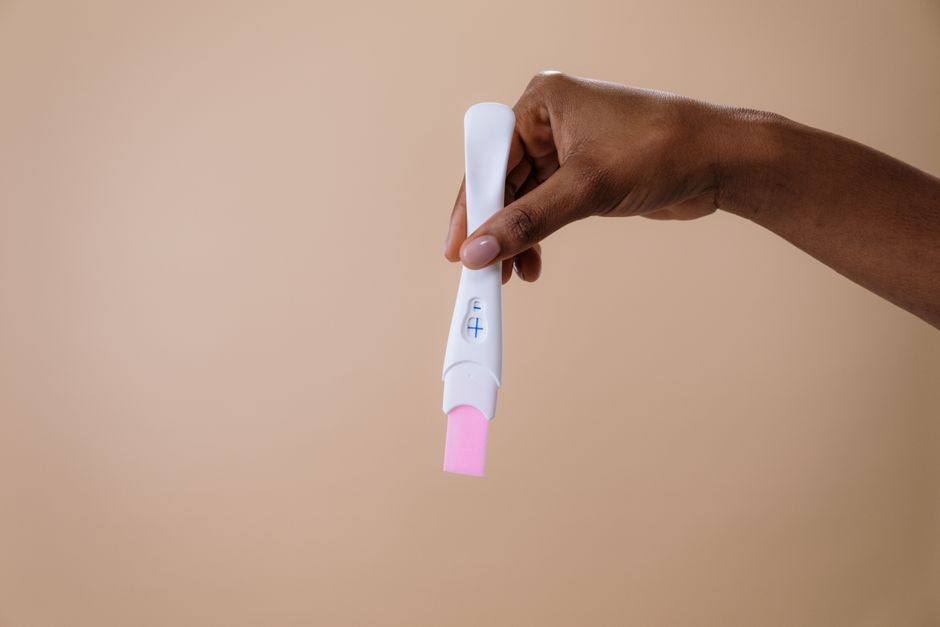
Yes, you can take a pregnancy test at night. The test will still work. However, testing first thing in the morning is generally more reliable, especially early in pregnancy.
The reason is simple: hCG, the pregnancy hormone the test detects, is most concentrated in your urine after you have slept all night. During the day, drinking fluids dilutes your urine, which can lower the hCG level enough for a test to miss it. This matters most in the very early days after a missed period. If you are further along, hCG levels are high enough that the time of day matters far less.
Why Morning Urine Is Considered the Gold Standard
Home pregnancy tests work by detecting human chorionic gonadotropin (hCG). Your body starts producing this hormone shortly after a fertilized egg implants in the uterus. Early in pregnancy, hCG levels double roughly every 48 to 72 hours. That rapid rise is why tests become more accurate each passing day.
Urine concentration is the deciding factor here. After eight hours of sleep, your urine is naturally concentrated because you have not been drinking water. That concentrated urine contains a higher level of hCG per drop. A test can detect that level more easily. By mid-afternoon or evening, after you have consumed coffee, water, and food, your urine is diluted. The same amount of hCG is spread across a larger volume of fluid, making it harder for the test strip to register a positive result.
This is not a flaw in the test. It is basic biology. The test has a detection threshold. Diluted urine may simply fall below that threshold even when you are pregnant.
When Testing at Night Can Still Be Accurate
Night testing becomes much more reliable if you are several days past your missed period. At that point, hCG levels are substantially higher. Most home tests claim to detect pregnancy on the first day of a missed period, but the reality is that implantation timing varies. Some women implant earlier, some later.
If you are testing more than a week after your missed period, a negative result at night is highly trustworthy. The hCG level in your blood is high enough by then that even diluted urine will usually trigger the test. If you are testing before or exactly on the day of your expected period, you are in the risk zone. A negative result at night may not be accurate because your hCG level is still low and your urine is diluted.
One practical approach: if you test negative at night but still have pregnancy symptoms or no period, wait two days and test again in the morning. Two days gives hCG time to double. A morning test gives you the best chance of detecting it.
How Early Can a Home Test Detect Pregnancy
Detection depends on the sensitivity of the specific test you buy. Most standard tests detect hCG levels around 25 mIU/mL. Some early detection tests claim sensitivity at 10 mIU/mL. These numbers are printed on the package, and they matter.
Implantation typically occurs 6 to 10 days after ovulation. hCG becomes detectable in blood about 8 to 10 days after ovulation. It appears in urine slightly later. For most women, urine hCG crosses the 25 mIU/mL threshold around the first day of a missed period. But “most women” is not all women. Some will not reach that level until several days later.
Testing too early is the most common reason for a false negative. If you test four or five days before your missed period and get a negative result, that does not mean you are not pregnant. It means your hCG level has not reached the test’s detection threshold yet. Waiting until after your missed period is the single most reliable strategy.





Practical Tips for an Accurate Night Test
If you decide to test at night because your symptoms are worrying you or you simply cannot wait until morning, there are some steps you can take to improve accuracy.
- Limit fluids for about four hours before the test. This allows your urine to become more concentrated naturally.
- Do not empty your bladder right before testing. Hold it for at least two to three hours if you can.
- Read the package instructions carefully. Each test brand has specific timing requirements for reading results, usually 3 to 5 minutes. Reading too early or too late can produce misleading results.
- Check the expiration date. An expired test may give inaccurate results regardless of urine concentration.
These steps do not make a night test as reliable as a morning test, but they reduce the chance of a false negative. They do not reduce the chance of a false positive. False positives are rare and usually indicate a chemical pregnancy, certain medications, or a medical condition that produces hCG.
Can You Do A Pregnancy Test At Night? Truth About False Results
False negatives are far more common than false positives. A false negative means the test says you are not pregnant when you actually are. This happens when hCG levels are too low for the test to detect. Diluted urine, early testing, and late implantation all contribute to false negatives.
False positives are rare. A false positive means the test says you are pregnant when you are not. This can happen if you took the test incorrectly, if you are taking fertility medications containing hCG, or if you recently had a miscarriage or abortion and hCG is still clearing your system. Certain rare medical conditions, including some ovarian tumors, can also produce hCG. If you get a positive result, it is almost certainly correct. If you get a negative result but still suspect pregnancy, repeat the test in a few days.
The truth about night testing is that it is a timing compromise. You can do it. It will work. But you are trading some accuracy for convenience. If you are testing early and the result is negative, do not treat it as definitive. Test again in the morning.
What to Do After a Negative Night Test
A negative result at night can leave you frustrated and uncertain. You have two reasonable options. The first is to wait until morning and test again with your first urine of the day. The second is to wait two full days and test again, regardless of time of day.
If you choose the two-day wait, hCG will have had time to double if you are pregnant. That doubling effect makes a night test far more reliable. If your period arrives during that time, you have your answer. If your period does not arrive and the second test is still negative, consider seeing a healthcare provider. A blood test performed in a clinic is more sensitive than any home urine test and can detect pregnancy earlier and more reliably.
Missing a period has causes beyond pregnancy. Stress, significant weight changes, thyroid conditions, and hormonal imbalances can all delay ovulation and push back your period. If you are experiencing persistent irregular cycles, a healthcare provider can help identify the underlying cause.
Frequently Asked Questions
Is a pregnancy test less accurate at night?
Yes, especially early in pregnancy. Your urine is more diluted during the day, which can lower hCG levels below the test’s detection threshold.
Can I drink water before a pregnancy test?
You can, but drinking large amounts of water may dilute your urine and cause a false negative. Limiting fluids for a few hours before testing improves accuracy.
How long should I hold my urine before a pregnancy test?
Holding your urine for two to three hours before testing helps concentrate hCG levels. For the most accurate result, use your first morning urine after a full night’s sleep.
Can a negative pregnancy test turn positive later in the day?
No. A test result is only valid within the reading window specified in the instructions, usually 3 to 5 minutes. A test that turns positive hours later is not a reliable result.
