

During pregnancy, omega-3 fatty acids are important for your baby’s brain and eye development. The two most active forms are DHA (docosahexaenoic acid) and EPA (eicosapentaenoic acid). Most major health organizations recommend that pregnant women get at least 200–300 mg of DHA per day, either through diet or a supplement. Many prenatal vitamins now include this amount, but if yours does not, a dedicated omega-3 supplement can fill the gap.
Why Do DHA and EPA Matter During Pregnancy?
DHA is a structural fat. It builds cell membranes, and it is especially concentrated in the brain and retina. During the third trimester, your baby’s brain grows rapidly, and DHA moves from your blood supply across the placenta to support that growth.
EPA plays a different role. It is more involved in managing inflammation throughout the body. While EPA is less critical for brain structure than DHA, both work together to support overall cardiovascular health in the mother, which indirectly supports the pregnancy.
Your body can make small amounts of DHA and EPA from ALA, a plant-based omega-3 found in flaxseed and walnuts. However, this conversion process is inefficient. Studies suggest that less than 10 percent of ALA converts to EPA, and even less converts to DHA. Relying on plant sources alone makes it difficult to reach the levels recommended during pregnancy.
How Much DHA and EPA Should You Take in Pregnancy?
The most widely cited recommendation is 200–300 mg of DHA per day during pregnancy. This figure comes from a 2008 consensus panel of international experts and has been adopted by many prenatal nutrition guidelines since then. The European Food Safety Authority recommends 250 mg of DHA plus EPA per day, plus an additional 100–200 mg of DHA during pregnancy and lactation.
Most prenatal vitamins that contain omega-3s provide around 200 mg of DHA. If your prenatal does not include DHA, look for a separate fish oil or algae oil supplement. Algae oil is a direct plant source of DHA and is a good option for vegetarians and vegans.
EPA is rarely singled out for a separate pregnancy recommendation. Most guidelines focus on DHA because it is the dominant omega-3 in fetal brain tissue. A combined DHA and EPA supplement that provides at least 200 mg of DHA will typically contain some EPA as well, which is fine.
What Foods Are Highest in DHA and EPA?
Fatty fish are the richest dietary sources of DHA and EPA. A single serving of salmon provides roughly 1,000–1,500 mg of combined DHA and EPA. Sardines, mackerel, and anchovies are also excellent sources. Trout and herring contain meaningful amounts as well.
White fish like cod or tilapia contain very little omega-3. Shellfish such as shrimp and crab have small amounts but not enough to meet pregnancy needs on their own.
If you eat fish twice per week, you can easily meet the recommended DHA intake without a supplement. The USDA Dietary Guidelines for Americans recommend 8–12 ounces of seafood per week for pregnant women, choosing options lower in mercury.
Fish to avoid or limit during pregnancy include shark, swordfish, king mackerel, and tilefish due to higher mercury content. Albacore tuna should be limited to 6 ounces per week. Salmon, sardines, and trout are low in mercury and safe to eat regularly.



Do Prenatal Vitamins Contain Enough DHA?
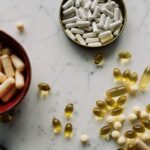
Not always. Many standard prenatal vitamins do not include omega-3s at all. Of those that do, the amount varies widely by brand. Some contain only 100 mg of DHA, while others provide 300 mg or more.
Check the label of your current prenatal vitamin. Look for the specific amount of DHA listed under the supplement facts panel. If it lists only “fish oil” or “omega-3” without a DHA breakdown, it likely contains too little to be meaningful.
If your prenatal vitamin lacks DHA, you have two options. You can switch to a prenatal that includes it, or you can add a separate omega-3 supplement. Many clinicians recommend the separate supplement approach because it allows you to control the exact dose.
What Is the Safest Way to Supplement DHA and EPA?
Choose a supplement that has been tested for heavy metals and oxidation. Fish oil supplements can contain mercury, PCBs, and other contaminants if not properly purified. Look for brands that display a purity certificate from a third-party testing organization such as USP, NSF, or ConsumerLab.
Algae-based DHA supplements are another safe option. Because algae is the original source of omega-3s in the food chain, these supplements do not carry the same contamination risk as fish oil. They also have no fishy aftertaste or burping side effects.
Most pregnant women tolerate omega-3 supplements well. The most common side effect is mild gastrointestinal discomfort or a fishy taste in the mouth. Taking the supplement with food or freezing the capsules can reduce these effects.
There is no established upper limit for DHA and EPA during pregnancy, but doses above 3,000 mg per day are not recommended. Higher doses can thin the blood and may increase bleeding risk. Stick close to the recommended range unless your doctor advises otherwise.
Can You Take Too Much Omega-3 During Pregnancy?
Excessive omega-3 intake can interfere with blood clotting. This is rarely a problem at the doses used in pregnancy supplements, but it becomes relevant if you also take blood-thinning medication or have a bleeding disorder.
High doses of fish oil can also cause vitamin A toxicity if the oil comes from fish liver. Cod liver oil is high in vitamin A, which can be harmful in large amounts during pregnancy. Always choose omega-3 supplements derived from fish body oil or algae, not fish liver oil.
If you are taking a prenatal vitamin that contains vitamin A, adding cod liver oil on top of it could push your vitamin A intake too high. This is why fish body oil supplements are the safer choice.
When Should You Start Taking DHA During Pregnancy?
The most critical window for DHA accumulation in the fetal brain is the third trimester. However, starting earlier is not harmful and may offer benefits throughout the pregnancy.
Many clinicians recommend starting an omega-3 supplement as soon as you learn you are pregnant, or even before conception if you are planning a pregnancy. Your DHA levels take time to build up in your tissues. Starting early ensures your stores are adequate when the fetal brain growth spurt begins.
If you are already in your second or third trimester and have not been taking DHA, it is not too late. The brain continues to accumulate DHA through the end of pregnancy and into infancy. Starting now still provides benefit.
Do DHA Supplements Prevent Preterm Birth?
Some research suggests that higher omega-3 intake is associated with a lower risk of early preterm birth. A 2018 Cochrane review found that women who increased their EPA and DHA intake had a lower risk of giving birth before 34 weeks and a lower risk of giving birth before 37 weeks.
The evidence is not strong enough to claim that omega-3s prevent preterm birth in all women. The effect appears most pronounced in women who have low baseline omega-3 levels or who are at higher risk for preterm delivery. Women with uncomplicated pregnancies may see less benefit.
The same review found no increase in serious side effects for mothers or babies when omega-3s were taken during pregnancy. The overall safety profile is reassuring.
What About Omega-3s After Birth?
DHA continues to be important after delivery. Breast milk contains DHA, and the amount depends on the mother’s intake. Infants who are breastfed by mothers taking DHA supplements receive more DHA than those whose mothers do not supplement.
Infant formula in the United States is now routinely supplemented with DHA. If you formula feed, your baby will receive DHA from that source. If you breastfeed, continuing your omega-3 supplement while nursing supports your baby’s ongoing brain development.
Some research also suggests that adequate omega-3 intake during the postpartum period may support maternal mood. The evidence here is mixed, and no firm conclusions have been reached. However, maintaining your own omega-3 intake is reasonable for general health.
Frequently Asked Questions
Is 1000 mg of DHA too much during pregnancy?
No established upper limit exists for DHA during pregnancy, but most guidelines recommend 200–300 mg per day. Doses up to 1,000 mg appear safe, though higher amounts may increase bleeding risk.
Can I get enough DHA from eating fish instead of taking a supplement?
Yes, eating two servings of low-mercury fatty fish per week provides roughly 200–300 mg of DHA per day. Salmon, sardines, and trout are the best choices.
Do I need a separate EPA supplement during pregnancy?
No. EPA is not singled out for a separate pregnancy recommendation. A supplement providing at least 200 mg of DHA will typically contain adequate EPA as well.
When should I stop taking omega-3 supplements during pregnancy?
You can continue taking omega-3s throughout pregnancy and while breastfeeding. Many clinicians recommend continuing through the postpartum period for ongoing infant brain development.
