
Yes, you can digest chia seeds, but not completely. Your body breaks down the fats, protein, and some of the carbohydrates inside the seed. The tough outer shell and a large share of the fiber pass through largely intact. That split is the reason chia seeds can both feed you and change how your gut behaves.
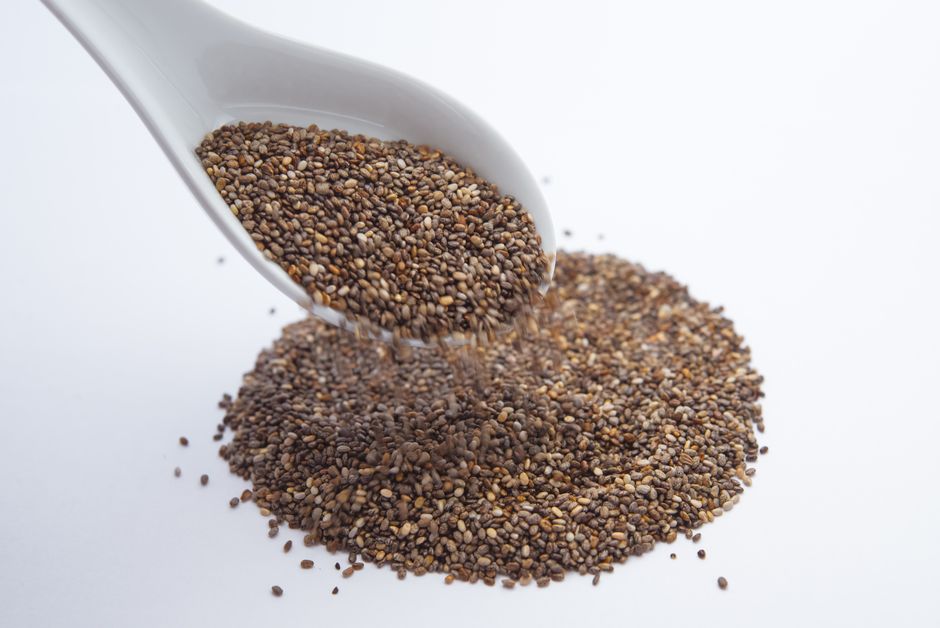
Whole chia seeds are small, oval, and built to survive. They absorb many times their weight in water and form a gel. That gel is a clue to how they move through your digestive tract. Some parts get used. Some parts keep going.
What Happens to Chia Seeds in Your Digestive System?
Whole chia seeds typically pass through the stomach and small intestine without fully breaking apart. Chewing helps. So does grinding. If you swallow them whole and they reach liquid, they swell into a gel that is hard for digestive enzymes to penetrate.
The seed coat is the main barrier. It is made of tough structural material that human enzymes cannot dissolve. Your stomach acid and the enzymes in your small intestine can attack the surface, but they cannot easily get inside an intact seed. As a result, a portion of the seed travels to the colon still recognizable.
What does get absorbed happens at the surface and through cracks in the coat. The fats, including omega-3 fatty acids, and the protein are the most available nutrients. The soluble fiber absorbs water and forms a gel that slows digestion. The insoluble fiber adds bulk. Neither type of fiber is broken down by human enzymes in the small intestine.
This is not a flaw. It is how chia seeds work. A food that resists digestion in the upper gut becomes fuel for bacteria in the lower gut.
Why Do Whole Chia Seeds Sometimes Pass Undigested?
Seeing whole seeds in your stool is common and not a sign of a digestive problem. It means the seed coat did its job. The outer layer is designed to protect the seed until conditions are right for it to grow. Your digestive tract does not provide those conditions.
Several things affect how many seeds come through intact:
- Whether you chewed them or swallowed them whole
- Whether they were ground into meal or left whole
- How long they soaked before you ate them
- How fast your gut moves food through
Grinding breaks the coat and exposes the inside to digestion. Soaking softens the coat and starts the gel-forming process before you eat. Both steps increase how much of the seed your body can actually use. Whole, dry seeds swallowed quickly are the most likely to pass through unchanged.
None of this means whole seeds are wasted. The fiber still reaches your colon and feeds gut bacteria. You just get less of the fat and protein.
Does Grinding Chia Seeds Help You Absorb More Nutrients?
Grinding chia seeds increases nutrient availability. It is the single most effective change you can make if your goal is to absorb more of what the seed contains.
When the seed coat is broken, digestive enzymes reach the fats and protein directly. The omega-3 fats, mainly alpha-linolenic acid, become far more accessible. The protein can be broken into amino acids and absorbed. Some of the minerals, including calcium and magnesium, are also released from the seed matrix.
There is a trade-off. Ground chia seeds go rancid faster because the fats are exposed to air. Store ground chia in an airtight container in the refrigerator or freezer and use it within a reasonable time. Whole seeds keep much longer at room temperature.
You do not have to choose one or the other. Many people use ground chia in yogurt, oatmeal, or baked goods and whole chia in drinks or as a topping. Both forms deliver fiber. Ground delivers more of the rest.




How Chia Seeds Affect Digestion and Your Gut
Chia seeds are roughly one-third fiber by weight, split between soluble and insoluble types. That fiber is the main reason chia affects digestion, and the effects run in two directions depending on how you use them.
The soluble fiber absorbs water and forms a gel. This gel can soften stool and make it easier to pass. It can also slow the emptying of your stomach, which may help you feel full longer. The insoluble fiber adds bulk and helps move material through the colon.
Fiber that reaches the colon is fermented by gut bacteria. This produces short-chain fatty acids, which are the main energy source for the cells lining your colon. Some research suggests chia supports a healthier gut bacterial mix, though the human evidence is still limited and results vary between studies.
Chia is not a laxative. It is a fiber source. The difference matters. A laxative pulls water into the bowel or stimulates muscle contractions. Chia works by holding water and adding bulk, which is a slower and gentler process.
Can Chia Seeds Cause Digestive Problems?
Chia seeds can cause bloating, gas, and cramping, especially if you add a lot at once. The cause is usually the fiber, not the seed itself. Your gut bacteria ferment that fiber and produce gas as a byproduct.
The fix is to start small and increase gradually over days or weeks. Your gut bacteria adjust to more fiber, but they need time. Drinking enough water matters too. Fiber without water can make constipation worse rather than better, because the fiber pulls fluid from your system and has none to hold.
One risk deserves a direct warning. Eating a large amount of dry chia seeds without liquid can be dangerous. The seeds swell and can form a thick mass in the throat or esophagus. There are documented cases of this requiring medical treatment. Always eat chia with plenty of fluid, and never swallow a large spoonful of dry seeds followed by a small sip of water.
People with a history of swallowing problems, narrowed esophagus, or prior bowel obstruction should talk to a doctor before eating chia. The same applies to anyone with a known seed allergy, since chia is a seed and allergic reactions to it have been reported, though they appear uncommon.
What Nutrients Do You Actually Get From Chia Seeds?
Chia seeds are nutrient-dense for their size. According to USDA nutritional data, a one-ounce serving (about 28 grams, or two tablespoons) contains roughly 138 calories, 5 grams of protein, 9 grams of fat, and 10 grams of fiber.
That same serving provides a meaningful share of several minerals. The exact amounts vary by source, but chia is a notable plant source of calcium, magnesium, phosphorus, and manganese. It also contains alpha-linolenic acid, a plant-based omega-3 fat.
One clarification worth making: the omega-3 in chia is ALA, not the EPA and DHA found in fish oil. Your body can convert ALA into EPA and DHA, but the conversion rate is low. Chia is a good source of ALA. It is not a substitute for fish or algae-based omega-3 sources if your goal is raising EPA and DHA levels.
Because some of the seed passes through undigested, the nutrients you actually absorb are lower than the label numbers suggest, particularly if you eat the seeds whole. Grinding narrows that gap.
How Should You Eat Chia Seeds for Better Digestion?
How you prepare chia seeds changes how much your body can use and how comfortable they are to eat. A few practical points follow from the biology.
- Grind them if you want the most nutrients. A coffee grinder or blender works fine.
- Soak them before eating when possible. The gel forms outside your body instead of inside your gut.
- Drink water with them. Fiber needs fluid to do its job well.
- Start with a small amount and increase slowly over a week or two.
- Store ground chia cold and use it before the fats go rancid.
Soaking is not required for safety in normal amounts, but it makes chia easier to digest and less likely to cause bloating. A common approach is to mix chia with liquid and let it sit until it forms a gel, then add it to yogurt, smoothies, or pudding.
There is no established clinical guideline for a specific daily amount of chia for general health. Most research uses amounts in the range of a few tablespoons per day, but recommendations vary and no official target exists. If you have a digestive condition or take medications that affect blood sugar or blood pressure, talk to your doctor before making chia a regular part of your diet. Chia’s fiber and fat content can interact with how some drugs are absorbed.
Frequently Asked Questions
Can you digest chia seeds completely?
No. Your body digests the fats, protein, and some carbohydrates, but the tough seed coat and much of the fiber pass through largely intact. Grinding the seeds first lets you absorb more of what is inside.
Why do chia seeds come out whole in stool?
Whole seeds often pass through unchanged because the outer coat resists human digestive enzymes. This is normal and not a sign of a digestive problem, though grinding or soaking the seeds reduces how many pass through intact.
Are chia seeds hard on your stomach?
They can cause bloating and gas if you eat a lot at once, mainly because of their fiber content. Starting with a small amount and drinking enough water usually reduces these effects.
Is it safe to eat dry chia seeds?
Eating a large amount of dry chia seeds without enough liquid can be dangerous because they swell and can block the throat or esophagus. Always eat chia with plenty of fluid, and never swallow a large dry spoonful with only a sip of water.
