
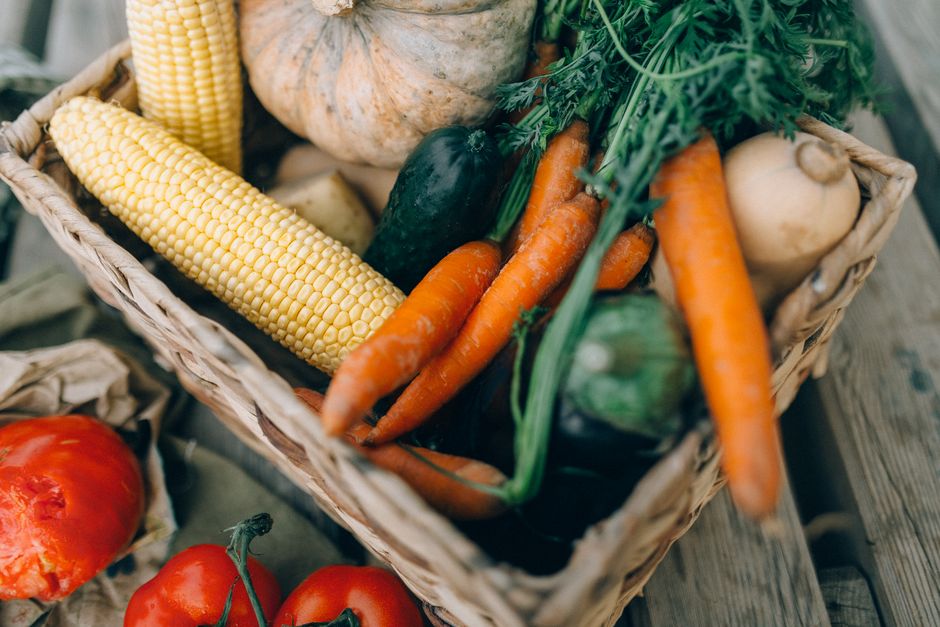
If you have ever spotted whole yellow kernels in the toilet after a cookout, you are not alone. The reason corn shows up intact is that the outer shell of each kernel is made of cellulose, a fiber your body cannot break down. Your digestive enzymes can handle the starchy inside, but that tough coating often passes through untouched. So seeing corn in your stool is normal, and it is not a sign that something is wrong with your digestion.
Why does corn come out looking the same way it went in?
Each corn kernel has a hard outer layer called the pericarp. It is built mostly of cellulose, the same material that gives plants their structure. Humans do not make cellulase, the enzyme needed to break cellulose down. Cows, termites, and some gut bacteria can do it. We cannot.
When you chew corn, your teeth crack the pericarp on some kernels. The soft, starchy center inside gets exposed and your digestive enzymes go to work on it. That starch is broken down and absorbed like any other carbohydrate. But kernels that escape being cracked keep their coating intact. That coating is what you see later, looking much like it did on the cob.
This is the key point people miss. The corn you see is mostly the shell, not the whole kernel. The inside was likely digested and used for energy. What remains is the fibrous outer wall your gut had no tools to dismantle.
Is it normal to see corn in your stool?
Yes. Passing visible corn in your stool is a normal, expected result of eating corn, and it does not signal a digestive problem. It happens because the cellulose shell resists digestion, not because your body failed at its job.
Some people worry this means their gut is not absorbing nutrients. That concern is understandable but misplaced. Your small intestine absorbs the starch and other nutrients from the corn. The leftover shell is fiber, and fiber is supposed to travel through largely undigested. In fact, that is part of how fiber helps keep your bowels moving.
How much corn you see depends on several things. Chewing more thoroughly breaks more shells and leaves less visible corn. Cooking methods matter too. The timing of your digestion and how quickly food moves through your gut can also affect what you notice.
What is not normal is a sudden, lasting change in your bowel habits, blood in your stool, or ongoing pain. Those symptoms have nothing to do with corn and should be checked by a doctor.
Can’t you digest corn at all?
You digest most of it. The starch inside the kernel is broken down and absorbed. What you cannot digest is the cellulose shell, and that is the part that shows up in your stool.
Think of a kernel as a tiny package. The wrapping is cellulose, a fiber. The contents are starch, a carbohydrate your body handles well. When the wrapping stays sealed, the contents may pass through with it. When the wrapping is cracked by chewing, the starch gets out and gets used.
So the honest answer to the question of whether you can digest corn is this: you digest the inside, and you pass the outside. That is true for nearly everyone with a healthy digestive system.





What is the difference between the corn kernel and the corn you eat?
Not all corn behaves the same way. The form you eat changes how much of the shell survives the trip.
- Whole kernels on the cob or in a can keep their pericarp, so you are most likely to see them again.
- Creamed corn and cornmeal are ground up, which breaks the shells before you even swallow.
- Popcorn is a whole kernel that has been heated until it bursts. The fluffy part is the starch, and the hull is the shell.
- Corn tortillas and masa are made from corn that has been treated and ground, so the shell is no longer intact.
This is why you rarely notice corn in your stool after eating cornbread or tortilla chips. The processing did the work your teeth and enzymes could not.
Does seeing corn in your stool mean you have a digestion problem?
No. For most people, it means nothing more than that they ate corn. The cellulose shell is simply not digestible by human enzymes, and that is true whether your gut is healthy or not.
There is one situation worth understanding. If you have a condition that speeds up digestion, food may move through your system faster than usual. That can leave less time for chewing and breakdown, so more whole kernels may appear. But the corn itself is not the problem, and it is not the cause.
If you regularly see undigested food of many kinds, along with diarrhea, weight loss, or cramping, that pattern deserves a medical evaluation. The issue would be the underlying condition, not the corn.
Does corn have any nutritional value if it passes through?
Yes. Corn provides energy, and your body uses it. The starch inside each kernel is digested and absorbed. Corn also supplies some vitamins and minerals, including certain B vitamins and magnesium.
The shell you pass is a source of dietary fiber. Fiber is not digested in the small intestine. It travels to the large intestine, where some of it may be fermented by gut bacteria, and the rest adds bulk to your stool. So even the part you cannot break down plays a role.
Corn is a starchy vegetable, which means it carries more carbohydrate than most vegetables. That is worth knowing if you are watching your blood sugar, but it does not change the basic fact that your body uses the corn you eat.
Is there a way to digest corn better?
You cannot teach your body to make cellulase. But you can reduce how much whole corn ends up in your stool by breaking the shells before you swallow.
- Chew each bite more thoroughly. This cracks more pericarps and releases more starch.
- Choose ground or processed forms, such as cornmeal, masa, or creamed corn.
- Cook corn well, which softens the shell somewhat.
None of these steps are necessary for health. They are simply ways to see less corn later if it bothers you. There is no supplement or enzyme product that has been shown in human trials to help you digest the cellulose shell of corn. Be cautious of any product claiming otherwise.
When should you be concerned about undigested food in your stool?
Occasional undigested food, including corn, is normal. Concern is warranted when it comes with other symptoms or represents a clear change from your usual pattern.
Talk to a doctor if you notice:
- Blood or a black, tarry appearance in your stool
- Persistent diarrhea or a lasting change in bowel habits
- Unintentional weight loss
- Ongoing abdominal pain or cramping
- Many different foods passing through undigested on a regular basis
These signs point to a possible underlying issue that has nothing to do with corn. A medical evaluation can sort out what is going on. Do not assume corn is the culprit.
Frequently Asked Questions
Why does corn come out whole in your poop?
The outer shell of a corn kernel is made of cellulose, which human digestive enzymes cannot break down. The starchy inside is digested, but the tough shell often passes through intact.
Is it bad if you can’t digest corn?
No, it is normal and does not indicate a digestive problem. Everyone passes the cellulose shell of corn because the human body does not make the enzyme needed to break it down.
Does undigested corn mean your body isn’t absorbing nutrients?
No. Your body absorbs the starch and nutrients from inside the kernel. What you see in your stool is mostly the indigestible fiber shell.
Can you make corn easier to digest?
Chewing more thoroughly cracks the shells and releases more starch, and choosing ground forms like cornmeal or masa removes the intact shell. No supplement has been shown in human trials to help digest corn cellulose.
