
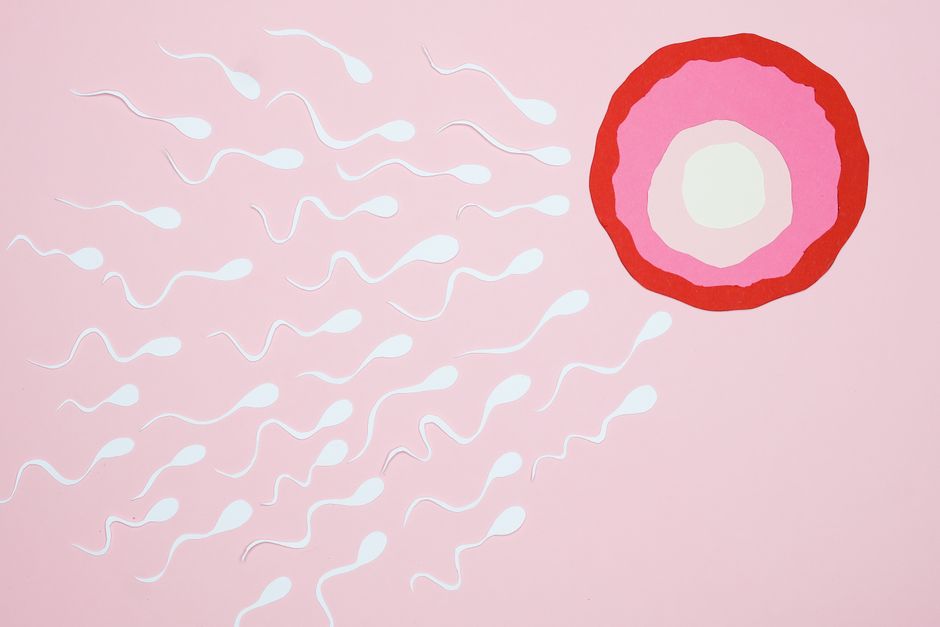
Yes, you can bleed while ovulating, but it is not something every person experiences. Ovulation bleeding is light spotting that happens around the middle of your menstrual cycle, roughly 10 to 14 days before your next period starts. It is usually harmless and short-lived, but it can sometimes be confused with other types of bleeding.
Understanding why it happens and how to tell it apart from other causes of bleeding is important. Most of the time, mid-cycle spotting is normal. However, there are situations where bleeding between periods signals a health issue that needs medical attention. This guide explains what ovulation bleeding looks like, why it occurs, and when you should see a doctor.
What Does Ovulation Bleeding Look Like?
Ovulation bleeding is typically very light. You might notice a few drops of blood on your underwear or light pink or brown discharge when you wipe. It rarely requires a pad or tampon. The color is often pink because the blood is mixed with cervical fluid, or brown because it is older blood leaving the body slowly.
The bleeding usually lasts only one to two days. Some women experience it for just a few hours. It is not heavy and does not contain clots. If you are soaking through a pad or passing clots, that is not typical ovulation bleeding.
Ovulation bleeding often comes with other signs of ovulation. You may notice a change in cervical mucus, which becomes clear and stretchy like egg whites. Some women also feel a mild twinge or cramp on one side of the lower abdomen. This is called mittelschmerz, a German word meaning “middle pain.” The cramp can last from a few minutes to a few hours.
Why Does Bleeding Happen During Ovulation?
Ovulation is the release of an egg from the ovary. This usually happens once per cycle, about 14 days before your next period in a typical 28-day cycle. The exact timing varies from person to person and cycle to cycle.
The bleeding is linked to a rapid shift in hormones. Just before ovulation, estrogen levels rise sharply. This surge triggers the release of luteinizing hormone, or LH, which causes the mature follicle to rupture and release the egg. The sudden drop in estrogen that follows this surge can cause a small amount of the uterine lining to shed. This is similar to a mini-period, but much lighter.
Another possible cause is the follicle itself. When the follicle ruptures to release the egg, it can cause a small amount of bleeding into the abdominal cavity. This blood can pass through the fallopian tubes and out through the vagina. This is usually harmless and resolves on its own.
Neither of these mechanisms is dangerous. They are natural responses to the hormonal changes of the menstrual cycle. Research consistently shows that ovulation bleeding is a benign condition for most women.
How Can You Tell Ovulation Bleeding From Implantation Bleeding?
Implantation bleeding is another common cause of mid-cycle spotting. It happens when a fertilized egg attaches to the lining of the uterus. This can be confusing because it occurs around the same time as ovulation bleeding for some women, though the timing is actually different.
Implantation bleeding occurs later in the cycle, usually 6 to 12 days after ovulation. Ovulation bleeding happens at the time of ovulation itself. If you track your cycle, you can use the timing to help tell them apart.
The appearance is similar. Both are light pink or brown and last only a day or two. The key difference is timing and what happens next. If the spotting is followed by a normal period, it was likely ovulation bleeding. If the spotting is followed by a missed period, it may have been implantation bleeding, and a pregnancy test is appropriate.
There is also a difference in what each means. Ovulation bleeding occurs when no pregnancy has happened. Implantation bleeding is an early sign of pregnancy. If you are trying to conceive, knowing which one you are experiencing matters.




When Is Mid-Cycle Bleeding a Concern?
Not all mid-cycle bleeding is ovulation bleeding. Several conditions can cause bleeding between periods, and some are serious. You should not assume that any spotting is ovulation-related without considering other possibilities.
Uterine fibroids are non-cancerous growths in the uterus that can cause bleeding between periods. Polyps, which are small growths on the cervix or inside the uterus, can also cause spotting. Sexually transmitted infections can cause inflammation and bleeding. An ectopic pregnancy, where a fertilized egg implants outside the uterus, can cause abnormal bleeding and is a medical emergency.
Hormonal imbalances are another common cause. Thyroid disorders, high prolactin levels, and polycystic ovary syndrome, or PCOS, can all disrupt the menstrual cycle and cause irregular bleeding. Birth control methods, especially hormonal contraceptives, can also cause breakthrough bleeding, particularly in the first few months of use.
In rare cases, mid-cycle bleeding can be a sign of cervical or uterine cancer. This is uncommon, especially in younger women, but it is a reason why persistent or unusual bleeding should always be evaluated by a doctor.
When Should You See a Doctor About Ovulation Bleeding?
Occasional light spotting at ovulation is not a reason for concern. Most women who experience it do not need medical treatment. However, certain signs warrant a medical evaluation.
See a doctor if the bleeding is heavy, meaning you need a pad or tampon. See a doctor if it lasts more than three days. See a doctor if it happens every cycle or becomes more frequent. See a doctor if you have pain that is severe or persistent, not just a mild twinge.
You should also seek medical care if the bleeding is accompanied by dizziness, fainting, or shoulder pain. These can be signs of internal bleeding, which can occur if a cyst ruptures. An ectopic pregnancy can also cause these symptoms and requires immediate treatment.
If you are postmenopausal and experience any vaginal bleeding, see a doctor promptly. Bleeding after menopause is never normal and always requires evaluation.
If you are pregnant or think you might be pregnant, any bleeding should be discussed with your healthcare provider. While light spotting can be normal in early pregnancy, it can also signal complications.
Can You Track Ovulation Bleeding to Help Conceive?
Ovulation bleeding can be a useful sign if you are tracking your fertility. Because it occurs at the time of ovulation, it can help you identify your fertile window. This is the period of about six days when intercourse is most likely to result in pregnancy.
However, ovulation bleeding alone is not a reliable method of tracking fertility. Not everyone experiences it, and it can be inconsistent from cycle to cycle. It is best used as one of several signs, along with cervical mucus changes, basal body temperature, and ovulation predictor kits.
Ovulation predictor kits detect the LH surge that happens 24 to 36 hours before ovulation. These are more accurate than relying on physical symptoms alone. If you are trying to conceive, combining multiple methods gives you the clearest picture.
If you are trying to avoid pregnancy, do not rely on ovulation bleeding as a sign that you are fertile. The fertile window begins several days before ovulation, and sperm can survive in the reproductive tract for up to five days. By the time you see bleeding, you may already be past your most fertile days.
What Treatment Is Available for Ovulation Bleeding?
Most women do not need treatment for ovulation bleeding. It is a normal physiological event that resolves on its own within a day or two. If the bleeding is bothersome or happens frequently, there are options to discuss with a doctor.
Hormonal birth control is the most common treatment. Combined oral contraceptives prevent ovulation, which eliminates ovulation bleeding entirely. Progestin-only methods can also help regulate bleeding patterns, though they can cause irregular bleeding in some women.
Non-steroidal anti-inflammatory drugs, or NSAIDs, such as ibuprofen, can reduce pain associated with ovulation. They do not stop the bleeding, but they can make the experience more comfortable. Some evidence suggests NSAIDs may also reduce the amount of bleeding by affecting prostaglandins, which are involved in the shedding of the uterine lining.
No clinical guidelines currently exist specifically for treating ovulation bleeding because it is not considered a medical condition requiring intervention. If the bleeding is heavy or persistent, the underlying cause should be investigated rather than simply treated.
Frequently Asked Questions
Can ovulation bleeding be heavy like a period?
No, ovulation bleeding is typically very light spotting. If you are experiencing bleeding heavy enough to require a pad or tampon, it is unlikely to be ovulation bleeding and should be evaluated by a doctor.
How many days does ovulation bleeding last?
Ovulation bleeding usually lasts one to two days, and sometimes just a few hours. Bleeding that lasts longer than three days is not typical ovulation bleeding and warrants medical evaluation.
Can you get pregnant if you have ovulation bleeding?
Yes, ovulation bleeding means ovulation is occurring, which is when pregnancy is possible. The bleeding itself does not affect fertility, and the days around ovulation are your most fertile window.
Is it normal to have ovulation bleeding every month?
Some women experience ovulation bleeding every cycle, and this can be normal. However, if the bleeding is new, increasing in frequency, or accompanied by other symptoms, you should discuss it with your healthcare provider.
