
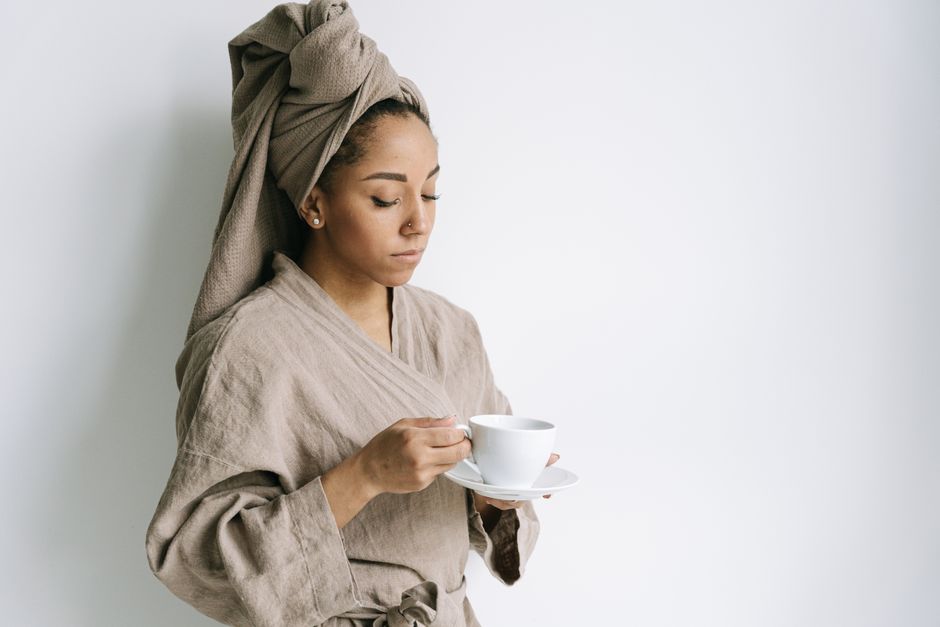
Yes, you can drink coffee while pregnant, but the amount matters. Major health organizations, including the American College of Obstetricians and Gynecologists, advise limiting caffeine to less than 200 milligrams per day during pregnancy. That is roughly one 12-ounce cup of brewed coffee. Staying at or below that limit is considered safe for most pregnant women.
Is It Ok To Drink Coffee While Pregnant?
Yes, but with a clear limit. The standard guidance from ACOG and other health authorities is to keep total caffeine intake under 200 milligrams per day. This is not a suggestion to avoid coffee entirely. It is a threshold based on decades of research into how caffeine affects pregnancy.
Caffeine crosses the placenta. Unlike many substances that the adult body can break down efficiently, caffeine passes to the fetus, and the fetus does not yet have the enzymes needed to metabolize it. That means caffeine and its breakdown products can accumulate in the fetal bloodstream at levels higher than in the mother.
The 200-milligram limit was not chosen at random. It reflects a body of observational research suggesting that higher intakes are associated with increased risk of certain pregnancy complications, while lower intakes have not shown the same associations. The evidence is not perfect. Most studies are observational, meaning they cannot prove cause and effect. But the pattern has been consistent enough that major health bodies converged on the same general recommendation.
One important nuance: the 200-milligram threshold applies to total caffeine from all sources, not just coffee. Tea, soda, chocolate, energy drinks, and some medications all contribute.
How Much Caffeine Is in Your Coffee?
The caffeine content of coffee varies widely depending on the type, the brewing method, and the serving size. This is where many pregnant women accidentally exceed the limit without realizing it.
According to USDA data, here are approximate caffeine amounts for common coffee drinks:
| Drink | Approximate Caffeine |
|---|---|
| Brewed coffee, 8 oz (drip) | 95-165 mg |
| Brewed coffee, 12 oz (drip) | 140-240 mg |
| Espresso, 1 oz shot | 63-75 mg |
| Instant coffee, 8 oz | 60-80 mg |
| Decaf coffee, 8 oz | 2-5 mg |
| Cold brew, 12 oz | 150-250 mg |
The range is broad because bean type, roast level, grind, and brew time all affect caffeine extraction. A large drip coffee from a cafe can easily contain 200 milligrams or more. A single espresso shot is well within limits. A 16-ounce cold brew could exceed the daily limit in one drink.
This is the practical problem: many people do not know how much caffeine is in their usual cup. If you are pregnant and want to keep drinking coffee, measuring or checking caffeine content is more reliable than guessing.
What Does the Research Actually Show About Caffeine and Pregnancy?
The evidence linking high caffeine intake to pregnancy risks is mostly observational. Studies have found associations between higher caffeine consumption and increased risk of miscarriage, low birth weight, and preterm birth. But observational studies have limitations. They cannot separate caffeine from other factors like smoking, alcohol use, or overall diet quality.
That said, the consistency of the findings across multiple large studies is what drove health organizations to set the 200-milligram threshold. The American College of Obstetricians and Gynecologists states that moderate caffeine consumption (under 200 milligrams per day) does not appear to be a major contributing factor in miscarriage or preterm birth.
Some research suggests that even lower intakes may carry some risk, but the evidence there is weaker and less consistent. The 200-milligram limit represents a practical balance — a level at which the majority of studies have not found significant harm.
What the research does not show is that any amount of caffeine is completely risk-free. There is no established “safe” level below which risk is zero. The guidance is based on risk reduction, not risk elimination.





What About Decaf Coffee During Pregnancy?
Decaf coffee is a reasonable alternative if you want the taste and ritual of coffee without the caffeine. An 8-ounce cup of decaf typically contains 2-5 milligrams of caffeine. Even several cups a day would keep you well under the 200-milligram limit.
The decaffeination process uses solvents, water, or carbon dioxide to remove most of the caffeine from green coffee beans before roasting. The trace amounts of solvent residue in decaf coffee are extremely low and have not been shown to pose a risk during pregnancy. However, some people prefer Swiss Water Process or CO2-process decaf if they want to avoid solvent-based methods entirely.
One caveat: decaf coffee still contains small amounts of caffeine, so it is not caffeine-free. If you are tracking total intake carefully, those milligrams add up, though not quickly.
Herbal teas are a different story. Many herbal teas contain no caffeine, but some herbs used in teas have not been studied for safety during pregnancy. Chamomile, for example, is generally considered safe in food amounts, but concentrated herbal preparations are a different matter. It is worth checking with a healthcare provider before switching to herbal alternatives.
What Happens If You Drink More Than 200 Milligrams?
Exceeding 200 milligrams of caffeine per day does not mean something will definitely go wrong. It means the risk of certain complications may increase. The key word is “may” — the evidence is not strong enough to say that a single day over the limit causes harm.
What the research suggests is a dose-response relationship: the more caffeine consumed, the higher the associated risk. Studies have found that people who consumed higher amounts of caffeine during pregnancy had higher rates of low birth weight and miscarriage compared to those who consumed less. But these studies cannot prove that caffeine caused those outcomes.
Caffeine also affects the mother’s body in ways that matter during pregnancy. It can raise heart rate and blood pressure, increase urine output, and cause jitteriness or insomnia. During pregnancy, the body metabolizes caffeine more slowly. The half-life of caffeine — the time it takes for half the amount to leave your system — increases significantly during pregnancy, especially in the third trimester. This means caffeine stays in your bloodstream longer than it would if you were not pregnant.
If you accidentally have a day with more caffeine than planned, the practical response is to reduce intake going forward. There is no evidence that a single high-caffeine day causes lasting harm.
How Can You Stay Within the Limit?
Staying under 200 milligrams per day is manageable with some awareness. The challenge is that caffeine is not just in coffee. It is in tea, soda, chocolate, energy drinks, and some over-the-counter medications.
- Know your cup. An 8-ounce brewed coffee has roughly 95-165 milligrams. A 12-ounce has 140-240 milligrams. Size matters more than most people realize.
- Switch to half-caf or decaf. Blending regular and decaf beans reduces caffeine without giving up coffee entirely.
- Check other sources. A 12-ounce cola has about 30-40 milligrams. A 1-ounce dark chocolate square has about 20 milligrams. An 8-ounce black tea has about 40-70 milligrams.
- Read medication labels. Some headache and cold medications contain caffeine. Check with a pharmacist if you are unsure.
- Watch the espresso. A single shot has about 63-75 milligrams. A double shot is roughly double that. A large latte with two or three shots can approach or exceed the limit.
Some women find that caffeine aversion during the first trimester makes this easier. Food aversions and nausea are common in early pregnancy, and coffee is a frequent trigger. If coffee suddenly smells terrible to you, that is a normal pregnancy response, not a sign of anything wrong.
Does Caffeine Affect Fertility or Early Pregnancy?
The evidence on caffeine and fertility is mixed. Some studies have suggested that high caffeine intake may be associated with longer time to conception, while others have found no link. The American Society for Reproductive Medicine does not currently list caffeine as a major factor in fertility for most people.
For early pregnancy, the same 200-milligram limit applies. The first trimester is when the fetus is most vulnerable to external influences, and it is also when caffeine metabolism slows down. Some providers suggest being especially careful during this window.
If you are undergoing fertility treatment or have a history of miscarriage, your provider may recommend a lower limit or no caffeine at all. That is a clinical judgment based on your individual situation, not a universal rule.
Frequently Asked Questions
Is one cup of coffee a day safe during pregnancy?
Yes, one 8-ounce cup of brewed coffee per day is generally considered safe because it contains roughly 95-165 milligrams of caffeine, which is under the 200-milligram limit. A 12-ounce cup may contain up to 240 milligrams, so size matters.
What happens if I drink more than 200 mg of caffeine while pregnant?
Going over 200 milligrams occasionally is unlikely to cause harm, but regularly exceeding the limit is associated with higher risk of low birth weight and miscarriage in observational studies. Reduce your intake going forward if you accidentally exceed it.
Can I drink decaf coffee while pregnant?
Yes, decaf coffee is generally considered safe during pregnancy because an 8-ounce cup contains only about 2-5 milligrams of caffeine. It still has trace amounts, so it counts toward your total daily intake.
Does caffeine cause miscarriage?
Research has found an association between high caffeine intake and increased miscarriage risk, but observational studies cannot prove that caffeine causes miscarriage. Staying under 200 milligrams per day is the recommended way to reduce any potential risk.
