
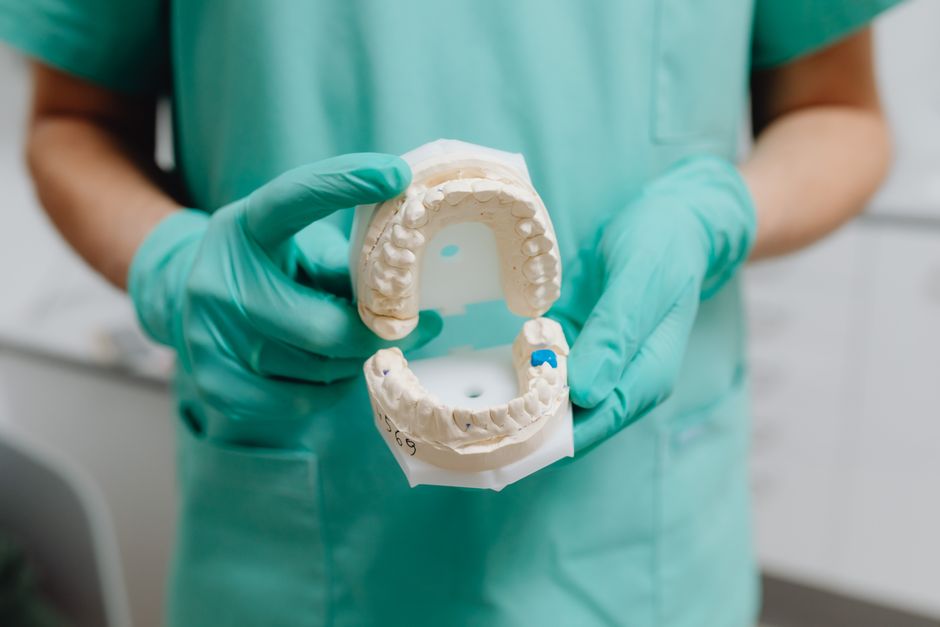
Grinding your teeth while wearing braces is frustrating, and it can feel like the two problems are working against each other. The short answer: there is no single fix, but there are several steps that genuinely help. A dentist or orthodontist can check whether a night guard is appropriate for your situation, since standard store-bought guards often do not fit over braces. Managing stress and jaw tension during the day can reduce nighttime grinding. And in many cases, grinding that starts or worsens with braces settles on its own as your mouth adjusts.
Does Wearing Braces Actually Cause Teeth Grinding?
Braces do not cause bruxism, which is the clinical term for grinding and clenching. But they can make an existing habit worse, and they can make you more aware of it.
Bruxism falls into two categories. Sleep bruxism happens during sleep and is largely involuntary. Awake bruxism happens while you are conscious, often tied to stress, concentration, or jaw tension. The two have different drivers and often need different approaches.
What braces change is the fit. Your teeth are moving, your bite is shifting, and your jaw is learning a new resting position. That can trigger more clenching during the adjustment period. Some people also grind more when they are concentrating on not biting down on sore teeth. The behavior is a response to change, not a direct effect of the hardware itself.
One clarification worth making: many people assume grinding means they need a night guard immediately. That is not always true, and with braces it is not always possible. More on that below.
Why Does Bruxism Matter More When You Have Braces?
Grinding puts force on teeth and on the structures that hold them. When teeth are already moving under orthodontic pressure, that added force can interfere with treatment.
The main concerns clinicians watch for include:
- Slower or less predictable tooth movement
- Wear on the enamel of teeth that are already under stress
- Soreness in the jaw muscles and the temporomandibular joints (TMJ)
- Damage to brackets, wires, or aligners from repeated force
- Discomfort that makes it harder to wear elastics or other appliances consistently
Not everyone who grinds will have these problems. Many people grind for years with no obvious damage. But when braces are involved, the margin for irritation is smaller, so it is worth addressing rather than ignoring.
Can You Wear a Night Guard With Braces?
Not a standard one. Over-the-counter night guards are molded for teeth without brackets, and they generally will not fit properly over braces or aligners. Forcing one on can put uneven pressure on your teeth and interfere with the orthodontic work.
A custom guard made by a dentist or orthodontist is a different situation. Some clinicians will make a guard that fits over braces for patients who grind heavily. Others prefer to wait until treatment is finished. This is a judgment call based on how much grinding is happening, how much damage is showing, and what stage of treatment you are in.
If your orthodontist recommends a guard during treatment, it will be custom-fabricated. Do not buy one online and assume it will work. If you are not sure, ask directly. The answer depends on your specific case, and no general article can tell you what your orthodontist will recommend.
What Actually Helps Reduce Grinding During Orthodontic Treatment?
There is no method proven to stop bruxism completely. What follows are approaches that clinicians commonly use, along with an honest note on how strong the evidence is for each.
Address daytime clenching first
Awake bruxism is often more responsive to change than sleep bruxism. If you notice yourself clenching while working, driving, or concentrating, that is a habit you can interrupt. The common advice is to keep your teeth slightly apart and your jaw relaxed when you are not eating or speaking. This is widely recommended, though it takes practice and does not work for everyone.
Manage stress and sleep
Stress and sleep quality are consistently linked to bruxism in research, though the relationship is not fully understood. Practices that reduce stress, such as regular exercise, relaxation techniques, or talking to a professional, may help some people. The evidence here is mixed. Some studies suggest a benefit; others do not show a clear effect. It is reasonable to try, but do not expect a guaranteed result.
Ask about a custom guard
As noted above, a custom-fitted guard is the main protective option during treatment, and whether it is appropriate depends on your case. A guard protects teeth from wear. It does not stop the grinding itself.
Avoid triggers where you can
Alcohol, caffeine, and some medications are associated with increased bruxism in some people. If you notice a pattern, it may be worth discussing with your doctor. This is not a universal rule, and individual responses vary.
Consider the timing of treatment
In some cases, an orthodontist may adjust the treatment plan if grinding is causing serious problems. This is not common, but it is an option worth asking about if you are struggling.
What Does Not Work (And What to Be Skeptical Of)
A lot of products and advice are marketed for grinding. Most of it is not supported by strong evidence.
Over-the-counter guards that do not fit over braces are the most common mistake. They can cause more harm than good by putting pressure in the wrong places.
Mouth exercises, jaw stretches, and “grinding remedies” sold online have little to no clinical evidence behind them. Some may feel soothing, but soothing is not the same as effective.
Botulinum toxin injections are sometimes used for severe bruxism. This is a medical procedure, not a home remedy, and it is not appropriate for everyone. If it is being considered, it should be discussed with a qualified clinician who understands your orthodontic treatment. The evidence for this use is limited, and it is typically reserved for specific cases.
If a product claims to “cure” or “stop” grinding, treat that claim with caution. No treatment currently available reliably stops bruxism in all people.
When Should You Talk to Your Orthodontist or Dentist?
Bring it up at your next appointment if you notice any of the following:
- Jaw soreness or headaches that seem tied to grinding
- Visible wear on your teeth
- Broken brackets or bent wires that keep happening
- Discomfort that is affecting your sleep
You do not need to wait for a problem to get worse. Mentioning it early gives your orthodontist the chance to adjust your plan or recommend a guard if one is appropriate.
If grinding is severe and your orthodontist does not have a clear answer, a second opinion from a dentist who treats bruxism is reasonable. This is not a sign that something is wrong with your care. Bruxism is genuinely difficult to treat, and different clinicians take different approaches.
Will Grinding Stop Once Braces Come Off?
For some people, yes. If the grinding started or worsened because of the changing bite and jaw position during treatment, it often settles once the teeth and bite are stable. This is not guaranteed, and there is no reliable way to predict who will improve.
For people who had bruxism before braces, the habit usually continues after treatment. Braces do not fix bruxism. They may change how it feels or how much damage it causes, but the underlying behavior often remains.
If grinding was a problem before you started treatment, it is worth planning for it to still be a problem afterward. That may mean a custom night guard once treatment is done, or continued stress management, or both.
Frequently Asked Questions
Can I wear a regular night guard with braces?
No, standard over-the-counter night guards are not designed to fit over braces and can put uneven pressure on your teeth. A custom guard made by a dentist or orthodontist may be an option, but only if your clinician recommends it for your case.
Does grinding teeth damage braces?
It can. Repeated grinding force may loosen brackets, bend wires, or interfere with tooth movement. Not everyone who grinds will have these problems, but it is one reason to mention grinding to your orthodontist.
Is there a way to stop grinding permanently?
No treatment currently available reliably stops bruxism in all people. Some approaches, such as stress management or a custom guard, may reduce the effects or frequency for some people, but results vary and the evidence is mixed.
Should I tell my orthodontist if I grind my teeth?
Yes. Your orthodontist can check for signs of wear or damage and may adjust your treatment plan or recommend a guard if appropriate. Mentioning it early is better than waiting for a problem to develop.
