
Earwax is a common cause of temporary hearing changes, and for many people, it can also trigger ringing in the ears. The medical name for this ringing is tinnitus. When earwax builds up and blocks the ear canal, it changes how sound travels to your eardrum. That blockage can make you hear noises that are not actually there, including ringing, buzzing, or hissing. The good news is that when earwax is the cause, the tinnitus usually goes away once the blockage is removed.
How Does Earwax Cause Ringing in the Ears?
Earwax, also called cerumen, is produced by glands in the outer part of the ear canal. It traps dust and debris and helps protect the ear from infection. Normally, earwax moves out of the ear on its own. Chewing and talking help push it along, and it eventually falls out or is washed away in the shower.
Sometimes earwax does not move out as it should. It can harden, dry out, or get pushed deeper into the canal. Cotton swabs are a common culprit. When you insert a swab, you often pack the wax down instead of removing it. Over time, this creates a solid plug that blocks the ear canal.
When the canal is blocked, sound waves have trouble reaching the eardrum. Your brain compensates for the reduced input by turning up its internal volume. This is similar to how you might turn up the volume on a TV when the signal is weak. The result is that you perceive sounds that are not there, and ringing is the most common one.
This is not the only way wax can cause ringing. A plug of wax pressing directly against the eardrum can irritate it. The eardrum is sensitive, and pressure on it can produce a ringing sensation. Both mechanisms are well documented in medical literature.
How Common Is Tinnitus From Earwax?
Tinnitus from earwax is quite common, but it is important to understand the scope. Earwax blockage affects roughly 1 in 10 children and 1 in 20 adults. Among older adults, the number is higher. Many of these people experience some degree of tinnitus alongside their hearing changes.
However, earwax is not the most common cause of tinnitus overall. Most cases of persistent tinnitus are linked to hearing loss from noise exposure or aging. Earwax is a reversible cause, which makes it an important one to rule out. If your tinnitus started suddenly and you also notice a feeling of fullness in your ear, reduced hearing, or ear pain, earwax should be high on the list of possibilities.
Some research suggests that earwax removal resolves tinnitus in a significant number of cases. But the studies vary in their results. What is clear is that if wax is the cause, the ringing typically fades once the blockage is gone.
What Are the Symptoms of Earwax Blockage?
Not everyone with earwax buildup has symptoms. Some people have a lot of wax and never know it. Others have a small amount that causes noticeable problems. The most common symptoms include:
- Ringing, buzzing, or hissing in the ear
- A feeling of fullness or pressure in the ear
- Muffled hearing or a gradual loss of hearing
- Earache or pain
- Dizziness or a sensation of imbalance
- Itching in the ear canal
- A discharge or odor from the ear
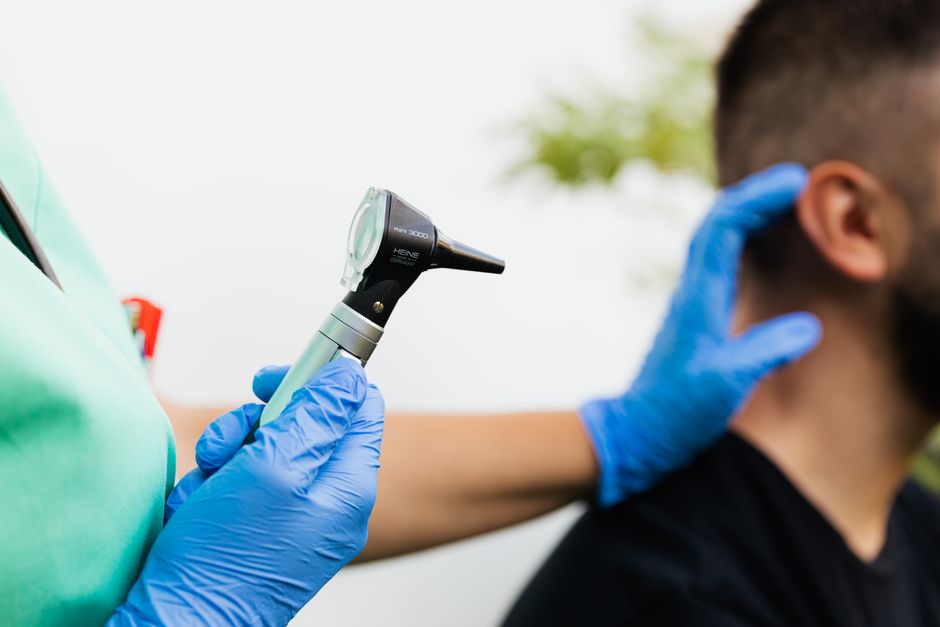
If you have any of these symptoms, it is worth having your ears examined. A healthcare provider can look inside your ear with an otoscope and see whether wax is blocking the canal. This is a quick and painless exam.
One important note: sudden hearing loss is a medical emergency. If you lose hearing in one ear suddenly, do not wait to see if it is wax. Seek medical care immediately. While wax can cause sudden blockage, other causes of sudden hearing loss require urgent treatment.
-
 How to Stop the Ringing in Your Ears Naturally? A Few Things That Help
 -
Does Sex Drive Return After Menopause? What Experts Say
-
Can a Woman Go Through Menopause in 8 Months? What Experts Say
-
Does Birth Control Help with Menopause? What Experts Say
-
Can You Take Estrogen After Menopause? What Experts Say





Is It Safe to Remove Earwax at Home?
Home removal is risky, and the evidence does not support most DIY methods. Cotton swabs, bobby pins, paper clips, and similar objects should never go in your ear. They push wax deeper, can scratch the ear canal, and can puncture the eardrum. This is not a theoretical risk. Eardrum perforations from cotton swabs send people to emergency rooms every year.
Ear candling is another method that has no evidence of benefit. Research has shown it does not remove wax and can cause burns and injury. It is not recommended by any medical organization.
Over-the-counter ear drops, called cerumenolytics, are a safer option for some people. These drops soften the wax so it can come out on its own. They contain ingredients like carbamide peroxide, glycerin, or mineral oil. They work best for soft wax. If your wax is hard and impacted, drops alone may not be enough.
There is one important caution with ear drops. Do not use them if you have a hole in your eardrum or a history of ear surgery. Drops can enter the middle ear and cause infection or damage. If you are unsure whether your eardrum is intact, see a professional first.
Irrigation, or flushing the ear with water, is another home method. Kits are available at drugstores. They can work, but they carry risks too. If the water pressure is too high, it can damage the eardrum. If you have an ear infection, irrigation can make it worse. If you have diabetes, a weakened immune system, or a history of ear problems, professional removal is safer.
What Is the Safest Way to Remove Earwax?
The safest removal is done by a healthcare professional. They have the tools and training to see what they are doing. They also have the ability to check your eardrum before starting. This matters because you cannot always feel whether your eardrum is intact.
Professionals typically use one of three methods:
- Manual removal: Using a small curved instrument called a curette to scoop out the wax under direct vision.
- Irrigation: Gently flushing the ear with warm water using a syringe designed for this purpose.
- Microsuction: Using a small suction device to pull the wax out. This is common in ear, nose, and throat clinics.
All three methods are effective when done correctly. Your provider will choose based on the type of wax and your ear anatomy. The procedure usually takes only a few minutes and provides immediate relief.
After removal, many people notice their hearing improves right away. If your tinnitus was caused by the wax, it should fade over the following hours or days. If the ringing continues after the wax is gone, there may be another cause, and further evaluation is warranted.
Can You Prevent Earwax Buildup?
You can reduce your risk of buildup with a few simple habits. The most important one is to stop putting anything in your ears. This includes cotton swabs, fingers, and any other objects. The ear is self-cleaning. Interfering with that process often makes things worse.
If you are prone to wax buildup, you can use a few drops of mineral oil or baby oil in each ear once a week. This keeps the wax soft and helps it move out naturally. Some people benefit from over-the-counter drops used regularly. If you have a history of eardrum problems, check with your doctor before starting any routine.
People who wear hearing aids or earplugs often have more wax buildup. These devices can push wax deeper or prevent it from migrating out. If you use them, you may need more frequent professional cleanings.
There is no evidence that diet changes or supplements prevent earwax. The amount of wax you produce is largely determined by genetics. Some people simply produce more wax than others, and no product changes that.
When Should You See a Doctor for Ringing in the Ears?
You should see a doctor if your tinnitus is persistent, bothersome, or accompanied by other symptoms. Seek care if you have:
- Ringing in only one ear
- Sudden hearing loss
- Dizziness or vertigo
- Pain or discharge from the ear
- Tinnitus that interferes with sleep or daily life
These symptoms can indicate conditions beyond simple wax buildup. One-sided tinnitus, for example, warrants a thorough evaluation. While it is often benign, it can also signal issues that need attention.
If your ears look clear and your hearing is normal, but the ringing continues, you may need a hearing test. An audiologist can assess your hearing at different frequencies. Some people have high-frequency hearing loss they did not notice, and that loss is what triggers the tinnitus.
Most cases of tinnitus are not dangerous. But because it can be a sign of an underlying condition, it deserves proper evaluation. Start with a primary care visit. They can check for wax and refer you to a specialist if needed.
What If the Ringing Continues After Wax Removal?
If the ringing persists after your ears are clear, the wax was probably not the cause, or it was only part of the problem. Tinnitus has many triggers, and often more than one factor is involved.
Common causes of persistent tinnitus include noise-induced hearing loss, age-related hearing loss, certain medications, and conditions like high blood pressure or temporomandibular joint disorders. Stress and lack of sleep can make tinnitus louder, even if they do not cause it.
There is no cure for most forms of tinnitus, but there are management strategies. Sound therapy, cognitive behavioral therapy, and hearing aids can all help reduce the impact. These approaches do not make the ringing stop, but they help your brain tune it out.
If you have persistent tinnitus, be honest with your doctor about how it affects you. There are effective treatments, but they work best when started early. Do not accept the idea that you just have to live with it. There are options.
Frequently Asked Questions
Can a small amount of earwax cause ringing in the ears?
Yes, even a small amount can cause ringing if it is pressing against the eardrum. The pressure irritates the eardrum and can produce a ringing sensation even without a complete blockage.
How long does tinnitus last after earwax removal?
Most people notice improvement within hours to a few days after the wax is removed. If ringing persists beyond a week, another cause should be considered.
Will ear drops break up hard earwax?
Ear drops can soften hard wax, but they may not fully remove it. Drops work best for soft wax, and hard impacted plugs often need professional removal.
Is it safe to use cotton swabs to remove earwax?
No, cotton swabs are not safe for ear cleaning. They push wax deeper, can scratch the ear canal, and can puncture the eardrum.
