
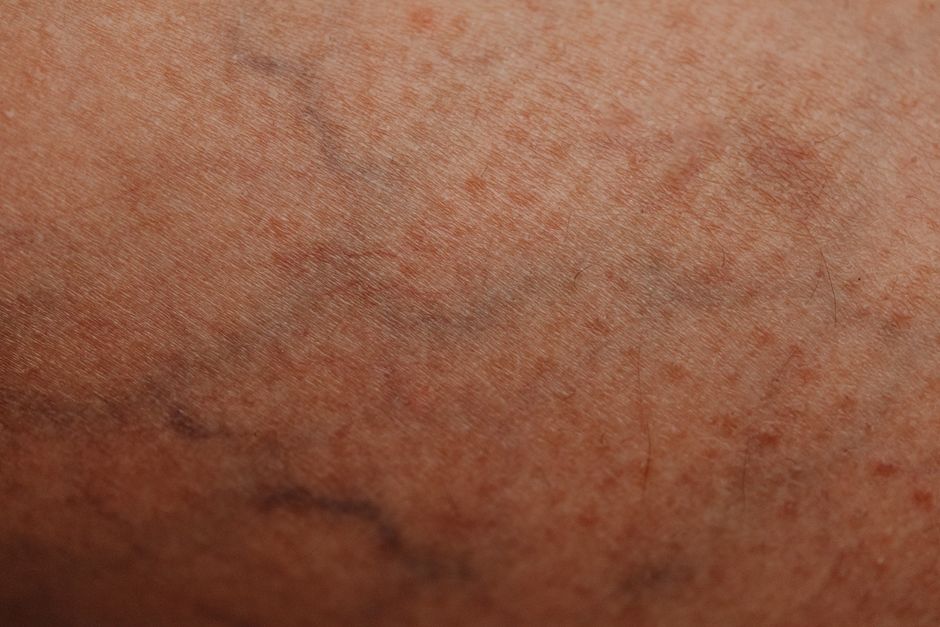
Varicose veins are common, affecting millions of adults. They are twisted, enlarged veins that usually appear in the legs. A frequent worry is whether they can lead to blood clots. The direct answer is that varicose veins themselves rarely cause dangerous blood clots. However, people with varicose veins do have a slightly higher risk of a specific type of clot called superficial thrombophlebitis. This is different from a deep vein thrombosis, which is the more serious condition. Understanding the difference is key to knowing what to watch for.
What Exactly Are Varicose Veins?
Veins have one-way valves that help blood flow back to the heart. When these valves weaken, blood can pool in the vein. This pooling increases pressure and causes the vein to bulge and twist. That bulging vein is a varicose vein.
This condition is very common. It affects a significant portion of the adult population, with women being affected more often than men. Risk factors include age, family history, obesity, pregnancy, and standing or sitting for long periods. The condition is often a cosmetic concern, but it can also cause aching, heaviness, and swelling in the legs.
Can Varicose Veins Cause Blood Clots?
Varicose veins can cause blood clots, but the type of clot matters. The most common clot linked to varicose veins is superficial thrombophlebitis. This is a clot that forms in a vein just below the skin’s surface. It is not the same as a deep vein thrombosis, which is far more dangerous.
Superficial thrombophlebitis is usually a painful condition. The skin over the vein becomes red, warm, and tender. The vein itself feels like a hard cord. While uncomfortable, this condition rarely travels to the lungs. It is treatable and usually resolves on its own with time and home care.
The bigger concern is deep vein thrombosis, or DVT. DVT is a clot in the deep veins of the leg. Research suggests a link between varicose veins and DVT, but the connection is not fully clear. Some studies indicate that people with varicose veins have a modestly increased risk of DVT. However, the absolute risk is still low for most people. The presence of varicose veins alone is not considered a major risk factor for DVT.
It is important to understand that a clot in a varicose vein is not the same as a clot in a deep vein. The superficial veins are located in the fatty layer beneath the skin. The deep veins run through the muscles. A clot in a superficial vein is much less likely to break loose and travel to the lungs.
What Is Superficial Thrombophlebitis?
Superficial thrombophlebitis is the medical name for a blood clot in a vein near the skin’s surface. It often happens in varicose veins because blood flow is already sluggish there. When blood moves slowly, it is more likely to clot.
Symptoms include a hard, tender cord under the skin. The area may be red, swollen, and warm to the touch. Pain can range from mild to severe. The condition usually affects the legs, but it can occur in other parts of the body.
Treatment typically involves warm compresses, leg elevation, and over-the-counter pain relievers like ibuprofen. Compression stockings may also help. In some cases, a doctor may prescribe blood thinners. The clot usually resolves within a few weeks. However, the vein may remain hard and tender for a longer period.



When Should You Worry About a Deep Vein Thrombosis?
A deep vein thrombosis is a more serious condition. It requires immediate medical attention. The danger is that a piece of the clot can break off and travel to the lungs. This is called a pulmonary embolism, and it can be life-threatening.
Symptoms of DVT include swelling in one leg, pain or tenderness that is not caused by an injury, and skin that is warm to the touch. The skin may also look red or discolored. The pain from a DVT is often described as a cramp or charley horse that does not go away.
If you experience these symptoms, especially in just one leg, seek medical care right away. Do not wait to see if it improves. A DVT is a medical emergency. The presence of varicose veins does not cause a DVT in most cases, but the symptoms should never be ignored.
How Are Blood Clots in Varicose Veins Treated?
Treatment depends on the type and location of the clot. For superficial thrombophlebitis, conservative measures are usually enough. Applying heat to the area several times a day can help. Elevating the leg reduces swelling. Over-the-counter anti-inflammatory drugs can relieve pain and inflammation.
Compression stockings are often recommended. They help improve blood flow and reduce symptoms. A doctor may suggest wearing them during the day and removing them at night. In more severe cases, or if the clot is large, a doctor might prescribe a blood-thinning medication.
For a DVT, treatment is more aggressive. Blood thinners are the standard treatment. These medications prevent the clot from growing and reduce the risk of new clots forming. The duration of treatment varies. It often lasts several months. In some cases, a procedure called thrombolysis may be used to dissolve the clot, but this is reserved for severe cases.
Can You Prevent Blood Clots from Varicose Veins?
You cannot always prevent varicose veins, but you can reduce your risk of clots. The main goal is to keep blood moving. Regular exercise is one of the best ways. Walking, swimming, and cycling all help pump blood through the legs.
If you sit or stand for long periods, take breaks. Move around every hour or so. Simple calf stretches and ankle pumps can make a difference. These movements activate the muscles that help push blood back to the heart.
Maintaining a healthy weight reduces pressure on your veins. Staying hydrated also helps keep blood from getting too thick. Compression stockings can be helpful for people who are prone to swelling or have a history of clots.
There is no evidence that any supplement or special diet prevents clots in varicose veins. Some marketing claims suggest certain vitamins or herbs can thin the blood. No large clinical trials have confirmed this. The most reliable prevention is physical movement and managing your overall health.
When to See a Doctor
See a doctor if you have varicose veins that are painful, swollen, or bleeding. You should also seek medical advice if the skin over your veins becomes red, warm, or hard. These could be signs of superficial thrombophlebitis.
Seek emergency care if you have sudden swelling in one leg, severe pain, or difficulty breathing. These could be signs of a DVT or pulmonary embolism. Chest pain, coughing up blood, and a rapid heartbeat are also warning signs.
Most people with varicose veins never develop serious complications. The condition is often managed with lifestyle changes and compression therapy. But knowing the warning signs is important. Early treatment for any clot reduces the risk of serious outcomes.
Treatment Options for Varicose Veins
Treating varicose veins can also reduce the risk of superficial clots. Several minimally invasive procedures are available. Endovenous ablation uses heat to close the affected vein. Sclerotherapy involves injecting a solution that scars the vein shut. These procedures are done in a doctor’s office and require little downtime.
Surgery is less common now but is still used for severe cases. The procedure is called vein stripping. It involves removing the affected vein through small incisions. These treatments are effective, but they do not prevent new varicose veins from forming.
Talk to your doctor about which option is right for you. The choice depends on the size of the veins, your symptoms, and your overall health. Treating varicose veins can improve symptoms and lower the risk of superficial blood clots.
Frequently Asked Questions
Can varicose veins turn into a dangerous blood clot?
Varicose veins can develop a superficial blood clot, which is rarely dangerous. The risk of a deep vein thrombosis is slightly higher in people with varicose veins, but it is still uncommon.
What does a blood clot in a varicose vein feel like?
It feels like a hard, tender cord under the skin. The area may be red, warm, and painful to the touch.
Should I worry about a blood clot if I have varicose veins?
Most people with varicose veins do not develop blood clots. You should monitor for sudden swelling in one leg, which could indicate a deep vein clot that needs urgent care.
