
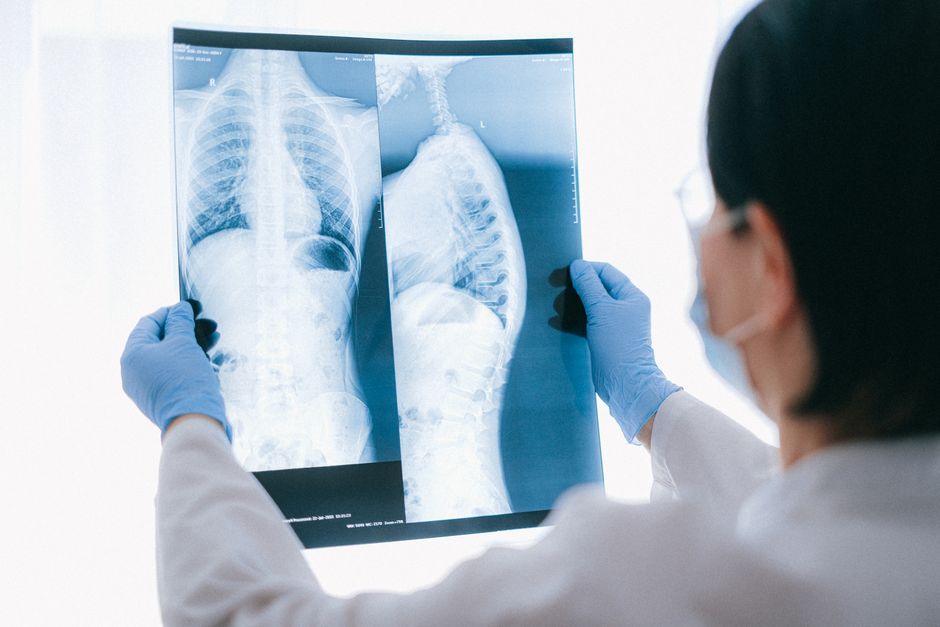
A blood clot in the lung, known medically as a pulmonary embolism (PE), happens when a clot breaks loose from a vein—usually in the leg—and travels through the bloodstream to block an artery in the lung. This blockage cuts off blood flow to lung tissue, which stresses the heart and reduces oxygen levels in the blood. It is a medical emergency that requires immediate care.
What Exactly Happens When a Clot Reaches Your Lungs?
Most lung clots do not start in the lungs. They start as a deep vein thrombosis (DVT), a clot that forms in a deep vein, most often in the lower leg or thigh. If that clot breaks free, it rides the blood flow back to the right side of the heart and gets pumped into the pulmonary arteries—the vessels that carry blood from the heart to the lungs.
These arteries branch into smaller and smaller vessels. A traveling clot eventually gets stuck where the artery becomes too narrow. That blockage is the pulmonary embolism. The lung tissue beyond the blockage no longer receives blood, so it cannot do its normal job of exchanging oxygen and carbon dioxide. The right side of the heart also has to work harder to push blood against the blockage, which can strain it dangerously.
Not every clot that reaches the lungs causes severe damage. Small clots may block only a tiny branch and cause mild symptoms or none at all. Large clots can block a main artery and be fatal within hours.
How Do You Get Blood Clots In Your Lungs? The Main Causes
The underlying cause of most blood clots comes down to three things, often called Virchow’s triad: slowed blood flow, damage to a blood vessel wall, and blood that clots more easily than normal. Most people who develop a pulmonary embolism have at least one of these factors, and many have several.
Immobility is one of the most common triggers. When you sit or lie still for long periods, blood pools in your leg veins and moves more slowly. This is why long flights, long car rides, hospital stays, and bed rest after surgery all raise the risk of clots.
Surgery and injury are major causes too. Surgery damages blood vessels and triggers the body’s natural clotting response. Major orthopedic surgeries, especially hip and knee replacements, carry a well-documented risk of post-operative clots. Trauma and fractures do the same.
Certain medical conditions make blood more prone to clotting. Cancer and its treatments, heart failure, and inflammatory diseases like lupus or rheumatoid arthritis all increase risk. Some people inherit genetic conditions, such as Factor V Leiden, that make their blood clot too easily.
Hormones play a significant role. Birth control pills containing estrogen, hormone replacement therapy, and pregnancy all increase clotting risk. Pregnancy itself also compresses pelvic veins, further slowing blood flow.
Age is a risk factor as well. Risk climbs steadily after age 40 and increases with each decade.
Recognizing the Symptoms of a Pulmonary Embolism
Symptoms can come on suddenly or build gradually. The most common signs include:
- Sudden shortness of breath that is not explained by exertion
- Sharp chest pain that worsens with deep breaths, coughing, or bending over
- A cough that may produce bloody or blood-streaked mucus
- A rapid or irregular heartbeat
- Lightheadedness or fainting
Some people also feel anxiety or a sense of dread. Leg pain, swelling, or warmth in one leg—signs of a DVT—may be present if the clot originated there.
If you experience sudden shortness of breath and chest pain, do not wait to see if it passes. Call emergency services. A pulmonary embolism is not something to manage at home or in a waiting room.



Who Is at Highest Risk?
Some people face a much higher risk than others. The combination of multiple risk factors multiplies the danger, not just adds to it.
Hospitalization is one of the strongest risk factors. Being admitted for surgery, heart failure, or a serious infection sharply increases clot risk. This is why hospital patients often receive blood thinners or compression devices on their legs as a preventive measure.
Cancer raises risk significantly. Certain cancers—pancreatic, stomach, brain, and lung among them—are especially linked to clots. Chemotherapy and surgery for cancer add further risk.
A prior clot is a powerful predictor of another one. Anyone who has had a DVT or PE before is at elevated risk of recurrence, especially within the first few years.
Obesity increases risk through multiple pathways, including reduced mobility, increased pressure on leg veins, and a chronic inflammatory state that promotes clotting.
Smoking damages blood vessels and makes platelets stickier. Combined with other risk factors, it meaningfully raises the odds of a clot.
How Is a Pulmonary Embolism Diagnosed?
Doctors start with your symptoms and medical history, then move to testing. A blood test called a D-dimer measures a fragment produced when clots break down. A normal result makes a PE unlikely. An elevated result is not proof of a clot—many conditions raise D-dimer—but it signals the need for imaging.
The most reliable imaging test is a CT pulmonary angiogram. This scan uses contrast dye to visualize the blood vessels in the lungs and can show exactly where a blockage exists. In some cases, a ventilation-perfusion (V/Q) scan is used instead, particularly for people who cannot tolerate the CT contrast dye.
An ultrasound of the legs may be done to check for a DVT. If a leg clot is found in someone with PE symptoms, that may be enough to confirm the diagnosis and start treatment.
Treatment: What Happens After Diagnosis
Treatment begins immediately because the condition is life-threatening. The goal is twofold: stop the existing clot from growing and prevent new clots from forming.
Anticoagulants, commonly called blood thinners, are the mainstay of treatment. They do not dissolve an existing clot, but they prevent it from enlarging and give the body’s own mechanisms time to break it down. Options include injectable heparin, oral medications like warfarin, and newer direct oral anticoagulants such as apixaban and rivaroxaban. The choice depends on the patient’s situation, kidney function, and other factors.
For large, life-threatening clots, thrombolytics may be used. These are powerful clot-dissolving drugs given through an IV. They work quickly but carry a significant risk of bleeding, so they are reserved for unstable patients.
In some cases, a procedure called embolectomy physically removes the clot. This may involve threading a catheter into the pulmonary artery or, in extreme cases, open surgery. These approaches are used when medications are not working or cannot be used safely.
Treatment typically continues for at least three months. Some people need blood thinners indefinitely, especially if the clot was unprovoked, recurrent, or linked to an ongoing condition like cancer.
Can You Prevent a Pulmonary Embolism?
Prevention focuses on the risk factors you can control. Staying active is the most effective daily measure. If you sit for long periods at work, get up and walk every hour or two. On long flights or car trips, stand, stretch, and move your legs regularly. Simple ankle pumps—flexing and pointing your feet—help keep blood moving through your calf veins.
After surgery, early mobility is critical. Most patients are encouraged to get out of bed as soon as it is safe. Compression stockings or intermittent pneumatic compression devices on the legs are commonly used in hospitals to prevent clots in people who cannot move.
Staying well-hydrated matters. Dehydration thickens the blood and slows circulation. Maintaining a healthy weight, not smoking, and managing chronic conditions like diabetes and heart disease all reduce risk.
If you have had a clot before, or if you have a known clotting disorder, talk to your doctor about whether preventive blood thinners are appropriate for high-risk situations like surgery or long travel.
When to Seek Emergency Care Immediately
A pulmonary embolism can be fatal, and the window for effective treatment can be narrow. Do not hesitate to call emergency services if you have sudden shortness of breath, chest pain that worsens with breathing, or coughing up blood.
Fainting, a racing heart, or a sense of impending doom alongside these symptoms is especially concerning. These can indicate that the clot is large and the heart is struggling.
When in doubt, err on the side of seeking care. The consequences of ignoring a pulmonary embolism are far worse than the inconvenience of an emergency room visit that turns out to be something less serious.
Frequently Asked Questions
Can a blood clot in the lung resolve on its own?
Small clots can sometimes dissolve on their own, but this is not something to wait for. A pulmonary embolism can grow or shift at any time, and the risk of death without treatment is too high to manage without medical care.
How long does it take to recover from a pulmonary embolism?
Most people notice significant improvement within days to weeks of starting blood thinners, but full recovery often takes months. Some people experience lasting shortness of breath or fatigue, especially after a large clot.
Does flying really increase your risk of blood clots?
Yes, prolonged immobility during air travel increases clot risk, especially on flights lasting more than four hours. Moving your legs regularly, staying hydrated, and walking the aisle when possible all reduce that risk.
Are blood thinners dangerous to take long-term?
Blood thinners increase bleeding risk, which is why they require monitoring and careful management. For most people who have had a pulmonary embolism, the protection from another clot outweighs the bleeding risk, but this decision is made individually with a doctor.
