
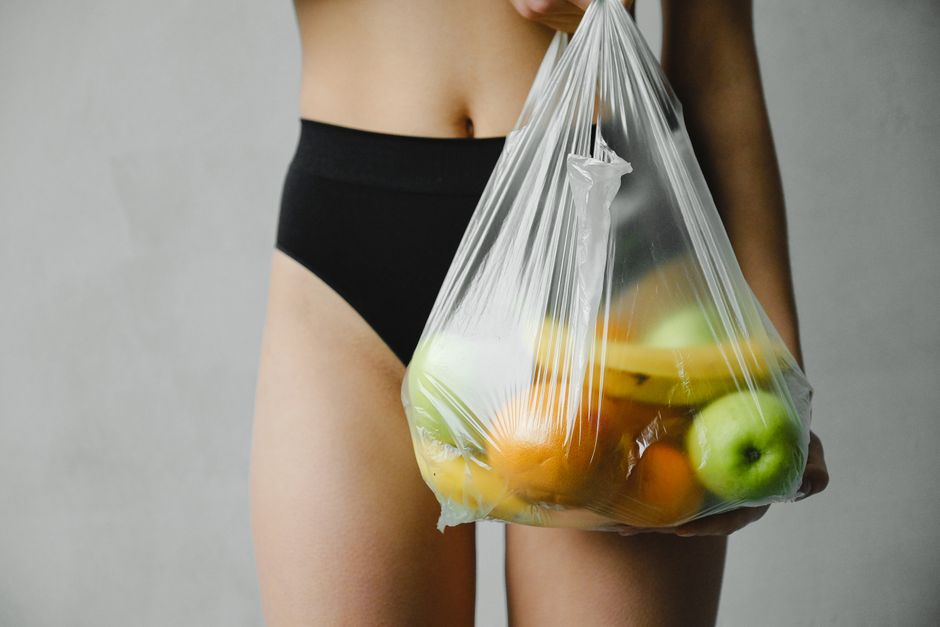
Yes, too much fruit can absolutely cause diarrhea in toddlers. The main reason is the sugar and fiber content in fruit, which can overwhelm a young child’s digestive system. Fruit contains fructose and sorbitol, two compounds that pull water into the gut and speed up digestion. When a toddler eats more fruit than their body can handle, loose stools or diarrhea are a common result.
What Exactly Happens in a Toddler’s Gut When They Eat Too Much Fruit?
Think of your toddler’s digestive system as a processing plant with a set speed limit. Fruit brings two things that push that speed limit: natural sugars and soluble fiber.
Fructose is a sugar found in most fruits. The small intestine has a limited ability to absorb fructose at once. When too much enters at once, unabsorbed fructose travels to the large intestine. There, gut bacteria ferment it. This fermentation produces gas and draws water into the bowel. The result is loose, watery stool.
Sorbitol is a sugar alcohol found naturally in fruits like apples, pears, and cherries. The body absorbs sorbitol very slowly. Like fructose, it pulls water into the intestine. This is why prunes (which are high in sorbitol) are a known natural laxative. The CDC and the American Academy of Pediatrics both note that high-sorbitol fruits can cause diarrhea in young children when eaten in large amounts.
Soluble fiber, found in fruits like apples and bananas, also holds water in the gut. In small amounts this helps with digestion. In large amounts it can speed things up too much.
Can Too Much Fruit Cause Diarrhea In Toddlers? What the Evidence Shows
Research published in the Journal of Pediatric Gastroenterology and Nutrition has found that excessive fructose intake is a common cause of toddler diarrhea. The study noted that many parents do not realize fruit juice and whole fruit contribute the same sugars.
Clinical experience backs this up. Pediatricians regularly see cases where cutting back on fruit or fruit juice resolves diarrhea within 24 to 48 hours. The condition is often called “toddler’s diarrhea” and fruit is a frequent trigger.
One important detail: the form of fruit matters. Whole fruit has fiber that slows sugar absorption somewhat. Fruit juice has no fiber and delivers a concentrated sugar load quickly. A toddler who drinks 12 ounces of apple juice may get the same amount of fructose as eating three apples, but without the fiber buffer. This is why the American Academy of Pediatrics recommends no more than 4 ounces of 100% fruit juice per day for toddlers ages 1 to 3.
Key point: The problem is not the fruit itself. It is the quantity and the form. A few berries or a half apple is fine for most toddlers. A whole apple plus a pear plus a cup of grapes plus a juice box is where trouble starts.
Which Fruits Are Most Likely to Cause Diarrhea in Toddlers?
Some fruits are more likely to cause loose stools than others. The difference comes down to their fructose-to-glucose ratio and sorbitol content.
| Fruit | Fructose per 100g | Sorbitol | Diarrhea Risk |
|---|---|---|---|
| Apple (with skin) | 6g | Yes | Moderate to High |
| Pear | 6g | Yes | High |
| Grapes | 8g | No | Moderate |
| Banana (ripe) | 5g | No | Low |
| Watermelon | 4g | No | Low to Moderate |
| Cherries | 5g | Yes | Moderate to High |
| Peach | 1.5g | Yes | Low |
| Berries (strawberries, blueberries) | 2-4g | No | Low |
Pears and apples are the most common culprits. They are high in both fructose and sorbitol. Many parents give toddlers apple slices or pear pouches as a healthy snack, and they are healthy in normal amounts. But a whole pear plus apple juice plus another fruit serving in one day can easily exceed what a small digestive system can handle.
Bananas are interesting. They are lower in fructose and contain pectin, a type of fiber that can help firm up stool. Some parents find that bananas help balance out other fruits in the diet.

How Much Fruit Is Too Much for a Toddler?
General guidelines from the American Academy of Pediatrics suggest toddlers ages 1 to 3 should have about 1 cup of fruit per day. That is roughly one small apple, one banana, or one cup of berries. This is a starting point, not a strict rule for every child.
Some toddlers tolerate more fruit without issues. Others get diarrhea from less. The difference depends on:
- Individual gut sensitivity to fructose and sorbitol
- Whether fruit is eaten whole or as juice
- What else the child ate that day (fat and protein slow digestion)
- How much total sugar and fiber the child consumed
A practical approach: if your toddler has loose stools, look at the last 24 hours of fruit intake. If they ate more than 1.5 cups of whole fruit or drank more than 4 ounces of juice, that is a likely cause. Try cutting back to half that amount for two days and see if stools improve.
One thing that surprises many parents: dried fruit is much more concentrated. A quarter cup of raisins has the same sugar as a full cup of grapes. Dried fruit portions need to be very small for toddlers.
What to Do When Fruit Causes Diarrhea
If you suspect fruit is causing your toddler’s diarrhea, the first step is not to eliminate fruit entirely. Fruit provides vitamins, fiber, and natural energy. The goal is to find the right amount.
Start by cutting fruit intake in half for two days. Replace the missing fruit with vegetables, protein, or whole grains at meals. If diarrhea stops, you have found your child’s threshold. You can slowly add fruit back in smaller portions.
Choose lower-risk fruits. Berries, bananas, and peaches are less likely to cause diarrhea than apples, pears, or cherries. You can also serve fruit with a meal that contains fat and protein, like yogurt or eggs. Fat and protein slow down how fast sugar enters the bloodstream and the gut.
Fruit juice should be limited or eliminated during this period. Even 100% juice labeled “no added sugar” still contains the same natural sugars and sorbitol that cause problems. The American Academy of Pediatrics recommends no juice for children under 1 year and limited juice for toddlers.
Watch for dehydration. Diarrhea in toddlers can lead to fluid loss quickly. Signs include fewer wet diapers, dry mouth, crying without tears, and unusual sleepiness. If you see these signs, call your pediatrician.
When Fruit Is Not the Cause
Fruit is a common cause of toddler diarrhea, but it is not the only cause. If cutting back on fruit does not resolve the diarrhea within a few days, consider other possibilities.
Infections are the most common cause of acute diarrhea in toddlers. Viral gastroenteritis, often called stomach flu, causes watery diarrhea that lasts 3 to 7 days. Bacterial infections from contaminated food or water can also cause diarrhea. These usually come with fever, vomiting, or stomach pain.
Food intolerances can mimic fruit-related diarrhea. Lactose intolerance, for example, causes loose stools after dairy. Gluten sensitivity is another possibility, though less common.
Some toddlers develop a pattern of chronic loose stools called “toddler’s diarrhea.” This condition typically starts between ages 1 and 3 and resolves on its own. It is not dangerous as long as the child grows and gains weight normally. A pediatrician can help distinguish this from diet-related diarrhea.
Red flag signs that warrant a call to your pediatrician: blood in stool, diarrhea lasting more than 7 days, signs of dehydration, weight loss, or if the child seems unusually tired or irritable.
Frequently Asked Questions
Can too much fruit cause diarrhea in toddlers every day?
Yes, if a toddler eats more fruit than their digestive system can handle daily, chronic loose stools can occur. This is often called toddler’s diarrhea and fruit intake is a common contributing factor.
How long after eating fruit will a toddler get diarrhea?
Diarrhea from fruit usually appears within 2 to 6 hours after eating. The speed depends on how much fruit was eaten and what else the child consumed.
Is fruit juice worse than whole fruit for toddler diarrhea?
Yes, fruit juice is worse because it lacks fiber and delivers a concentrated sugar load quickly. Whole fruit has fiber that slows sugar absorption somewhat.
Can bananas cause diarrhea in toddlers?
Ripe bananas are unlikely to cause diarrhea and may actually help firm stool due to their pectin content. Unripe bananas can be harder to digest and may cause gas or loose stool in sensitive toddlers.
