
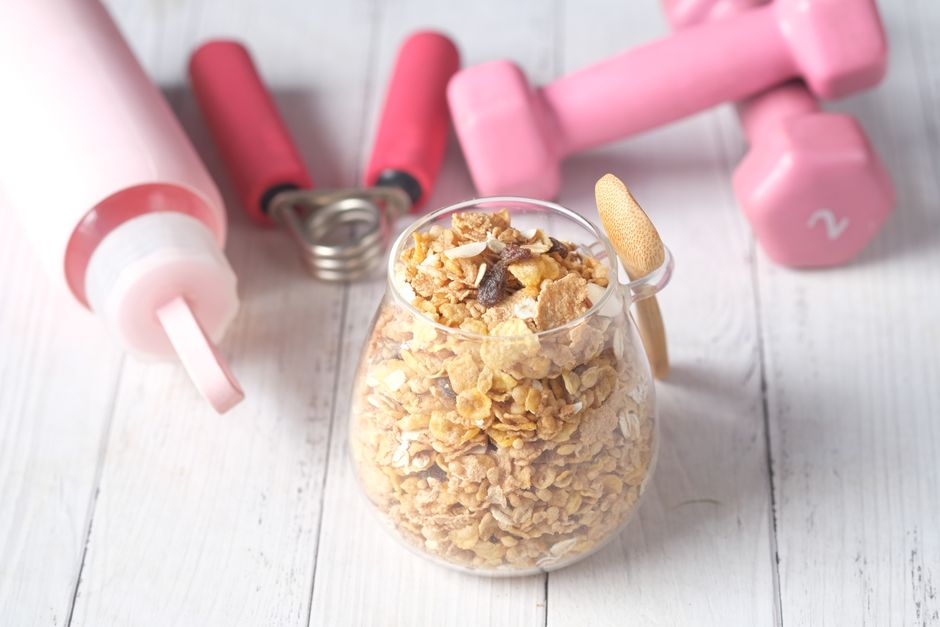
Start your day with a breakfast that combines protein, fiber, and healthy fats. This combination keeps you full longer and helps control cravings later. Good choices include eggs with vegetables, Greek yogurt with berries and nuts, or oatmeal with chia seeds and a spoonful of nut butter. Avoid sugary cereals, pastries, and juice. The goal is not a special breakfast food but a balanced meal that supports stable blood sugar and appetite control.
Why Does Breakfast Matter for Weight Loss?
Eating a balanced breakfast helps regulate appetite throughout the day. When you eat protein and fiber in the morning, your body releases hormones that signal fullness. This can reduce snacking and overeating later. Blood sugar also stays steadier after a protein-rich breakfast, which may prevent energy crashes that lead to cravings.
Some people skip breakfast and still lose weight. The evidence on breakfast and weight loss is mixed. What matters most is what you eat overall throughout the day. But for many people, a nutritious breakfast makes it easier to stick to a healthy eating pattern.
What To Eat For Breakfast To Lose Weight
The most effective breakfasts for weight loss contain three elements: protein, fiber, and healthy fat. Protein is the most filling nutrient. Fiber adds bulk and slows digestion. Fat provides satiety and helps absorb certain vitamins. Together, these nutrients delay hunger for hours.
Good protein sources for breakfast include eggs, plain Greek yogurt, cottage cheese, tofu, or lean meats like turkey sausage. Fiber comes from oats, berries, apples, chia seeds, flaxseed, and vegetables. Healthy fats come from avocado, nuts, seeds, and olive oil.
Examples of balanced breakfasts:
- Two scrambled eggs with spinach and a slice of whole-grain toast with avocado
- A bowl of oatmeal made with milk, topped with berries and chopped almonds
- Greek yogurt with a handful of raspberries, a tablespoon of chia seeds, and a drizzle of honey
- A smoothie made with plain Greek yogurt, a small banana, spinach, and almond butter
Avoid breakfasts that are mostly refined carbohydrates or sugar. That includes most cold cereals, white toast with jam, pancakes with syrup, and sweetened yogurt drinks. These foods raise blood sugar quickly and leave you hungry again soon after.
How Much Protein Should You Eat at Breakfast?
Many nutrition experts recommend aiming for 20 to 30 grams of protein at breakfast. This amount appears to support satiety and preserve muscle mass during weight loss. For reference, two large eggs provide about 12 grams of protein. A cup of plain Greek yogurt has about 20 grams. A scoop of protein powder in a smoothie adds 20 to 25 grams.
Not everyone needs that exact amount. If you are smaller or less active, 15 to 20 grams may be enough. The key is to include a meaningful source of protein, not just a trace amount. A breakfast with fewer than 10 grams of protein is unlikely to keep you full for long.





Does Breakfast Timing Matter for Weight Loss?
The evidence on meal timing is not strong enough to make a firm recommendation. Some research suggests that eating earlier in the day may help with appetite regulation, while other studies show no difference between early and late breakfast timing. What matters most is your total calorie intake and food quality over 24 hours.
If you practice intermittent fasting and skip breakfast entirely, you can still lose weight as long as you eat nutritious meals in your eating window. There is no magic breakfast time. Choose a schedule that fits your lifestyle and helps you avoid overeating later.
Common Breakfast Mistakes That Sabotage Weight Loss
Many people choose breakfast foods that seem healthy but are not. Granola, for example, is often high in added sugar and calories. Store-bought smoothies and green juices can contain as much sugar as a soda. Even whole-grain bread can be fine in moderation, but eating several slices with butter or jam adds calories without much protein or fiber.
Another mistake is skipping breakfast entirely and then overeating at lunch. If you skip breakfast, you may feel ravenous by midday and make less controlled food choices. For some people, a small breakfast like a piece of fruit with a handful of nuts prevents that extreme hunger.
A Simple Template for a Weight-Loss Breakfast
If you want a straightforward formula, build your breakfast around these three components:
- A protein source: eggs, Greek yogurt, cottage cheese, tofu, or lean meat
- A fiber source: oats, quinoa, berries, apple, or vegetables
- A healthy fat source: avocado, nuts, seeds, or olive oil
Combine at least two of these in every meal. For example, oatmeal (fiber) with nuts (healthy fat) and a side of Greek yogurt (protein) covers all three. If you are short on time, a smoothie with yogurt, berries, and almond butter works well.
Remember that portion sizes still matter. Even healthy foods contain calories. A serving of nuts is about one ounce. A serving of oatmeal is about half a cup dry. Pay attention to how your body responds and adjust portions as needed.
Frequently Asked Questions
Frequently Asked Questions
Is it bad to skip breakfast for weight loss?
No, skipping breakfast does not automatically harm weight loss. Some people thrive with intermittent fasting, while others find it leads to overeating later. Choose the pattern that helps you maintain a healthy calorie balance and food quality.
Can I eat cereal for breakfast and still lose weight?
Most cereals are high in sugar and low in protein, which can make weight loss harder. If you want cereal, choose one with at least 3 grams of fiber and less than 5 grams of sugar per serving, and add protein such as milk or a side of eggs.
What is the best breakfast for weight loss?
The best breakfast is one that provides protein, fiber, and healthy fats while fitting your calorie goals. Examples include eggs with vegetables, Greek yogurt with berries and nuts, or oatmeal with chia seeds and nut butter.
How many calories should breakfast be for weight loss?
There is no one-size-fits-all number, but a common range is 300 to 500 calories. Adjust based on your total daily calorie needs, activity level, and hunger cues. Focus on nutrient density rather than a strict calorie limit.
