
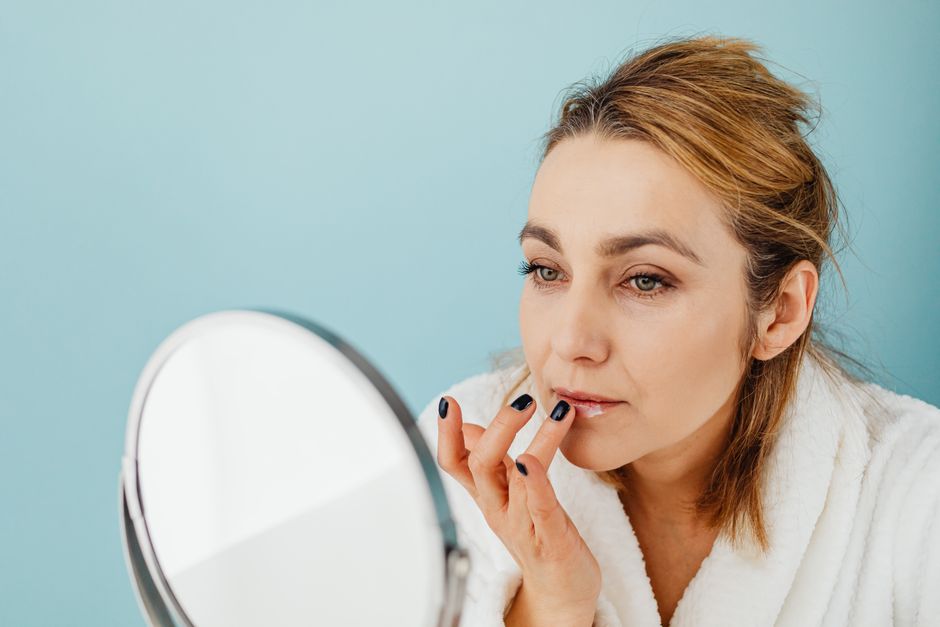
Seeing your lips turn black or dark brown is alarming, especially when you have never smoked a cigarette in your life. You might immediately worry about serious illness, but the reality is often more straightforward. Darkening of the lips, known medically as lip hyperpigmentation, has several causes, and smoking is only one of them. In many cases, the cause is harmless and easily fixed. In others, it points to an underlying condition that needs a doctor’s attention. This article breaks down the real reasons your lips may be changing color and what to do about it.
What Causes Lips To Darken Without Smoking?
Your lips get their pink color from blood vessels close to the surface and a thin layer of skin. When that color changes to brown, gray, or black, it usually means something is affecting the pigment-producing cells called melanocytes. These cells can become overactive and produce more melanin, the same pigment that colors your skin.
Unlike the rest of your skin, lips do not have a thick protective layer. They are more exposed and more sensitive to irritation. This makes them prone to hyperpigmentation from everyday habits and environmental factors.
The most common non-smoking causes include certain medications, allergic reactions to lip products, sun damage, and a condition called melasma. Less common causes involve hormonal disorders, nutritional deficiencies, or genetic conditions. Some causes are completely harmless, while others require medical treatment.
Could It Be An Allergic Reaction To Lip Products?
Lip balms, lipsticks, and glosses contain a range of chemicals, fragrances, and preservatives. Some people develop an allergic reaction called contact dermatitis. This causes inflammation, which can trigger melanin production as the skin heals. Over time, repeated reactions darken the lips permanently.
Certain ingredients are more likely to cause this than others. Fragrances, lanolin, and propolis (found in some beeswax products) are common culprits. So are essential oils like peppermint, cinnamon, and eucalyptus, which are often added to lip balms for a cooling sensation.
If you suspect a product is the problem, stop using it for two to four weeks and watch for changes. Switch to a fragrance-free, dye-free balm with minimal ingredients. Look for products labeled “hypoallergenic” or designed for sensitive skin. If the color fades after you stop using the product, the reaction was likely the cause.
Is Sun Damage Darkening Your Lips?
Lips receive a lot of sun exposure throughout a lifetime, and most people never apply sunscreen to them. The lower lip in particular gets direct sunlight whenever you are outside. Over years of exposure, this adds up.
Sun exposure triggers melanocytes to produce more pigment as a protective response. This is the same process that gives you a tan, but on the lips it shows up as uneven dark patches. The medical term for this is solar lentigo, or sun spots on the lips.
Unlike skin elsewhere on the body, lips produce very little melanin to begin with. They have fewer melanocytes and less natural protection. This makes them more vulnerable to UV damage and the resulting hyperpigmentation.
Prevention is straightforward. Use a lip balm with SPF 30 or higher every day, even in winter or on cloudy days. Reapply every two hours if you are outdoors. This not only prevents darkening but also reduces your risk of lip cancer, which is more common on the lower lip than the upper.





Why Are Your Lips Turning Black And I Don’T Smoke: Medication Side Effects
Several prescription medications list lip and skin hyperpigmentation as a known side effect. This is not an allergic reaction. It is a direct chemical effect of the drug on melanin production.
Antimalarial drugs like chloroquine and hydroxychloroquine can cause blue-black or gray discoloration of the lips and mouth. This is a well-documented effect, particularly with long-term use. The discoloration may appear on the lips, the roof of the mouth, or the gums.
Certain antibiotics, especially minocycline used for acne, can cause pigmentation changes. Chemotherapy drugs and some medications for heart rhythm problems have also been linked to lip discoloration. Even some over-the-counter products containing benzocaine, used for toothache or cold sores, can cause darkening with repeated use.
If you take any medication regularly and notice your lips changing color, check the patient information leaflet. Speak to your doctor or pharmacist before stopping any prescribed drug. In most cases, the discoloration fades after the medication is stopped, but it can take months to fully resolve.
Hormonal Changes And Medical Conditions
Hormones influence melanin production. This is why some women notice darker lips during pregnancy or while taking birth control pills. Melasma, a condition that causes brown patches on the face, can also affect the lips. It is triggered by estrogen and progesterone, along with sun exposure.
Addison’s disease is a more serious cause. This rare condition occurs when the adrenal glands do not produce enough cortisol and aldosterone. One of its hallmark signs is hyperpigmentation of the lips, gums, and the inside of the cheeks. The pigmentation often appears as blotchy brown or blue-black patches.
Other symptoms of Addison’s disease include extreme fatigue, weight loss, low blood pressure, and salt cravings. If you have lip darkening along with any of these symptoms, see a doctor promptly. A simple blood test can confirm or rule out the condition.
Hemochromatosis, a condition where the body absorbs too much iron, can also cause a bronze or gray-brown skin tone that affects the lips. This is less common but worth mentioning to your doctor if you have other symptoms like joint pain or fatigue.
Nutritional Deficiencies That Darken Lips
Your skin and lips need certain vitamins and minerals to stay healthy. Deficiencies can change their appearance, though this is less common than other causes.
Vitamin B12 deficiency is the most frequently linked nutritional cause of lip hyperpigmentation. B12 plays a role in melanin regulation, and low levels can cause dark patches on the lips and inside the mouth. This is more common in vegetarians and vegans who do not supplement, and in older adults who have trouble absorbing B12 from food.
Iron deficiency anemia can also cause changes in the lips, though it more commonly causes pale lips rather than dark ones. Folate deficiency has been linked to hyperpigmentation in some case reports.
If you have other signs of deficiency, such as persistent fatigue, weakness, or tingling in your hands and feet, ask your doctor for a blood test. Do not self-supplement with high doses of vitamins without knowing your levels. Too much of certain vitamins, particularly B6, can cause nerve damage.
When Should You See A Doctor About Dark Lips?
Some causes of lip darkening are harmless. Others are not. You should see a doctor if the darkening appears suddenly, spreads quickly, or is accompanied by other symptoms.
Seek medical attention promptly if you have any of these warning signs:
- Darkening that develops rapidly over days or weeks
- Dark patches that bleed, crack, or form a sore that will not heal
- Pigmentation inside your mouth or on your gums
- Fatigue, unintentional weight loss, or dizziness
- A mole-like spot that changes shape, size, or color
A dermatologist can examine your lips and determine the cause. They may use a dermatoscope, a special magnifying instrument, to look at the pigment pattern. In some cases, they may recommend a biopsy, where a small sample of tissue is taken and examined under a microscope. This is the only way to definitively rule out certain conditions.
If you have a dark spot on your lip that has changed appearance, do not wait to have it checked. While most lip lesions are benign, early detection matters for the few that are not.
Treatment Options For Lip Hyperpigmentation
Treatment depends entirely on the cause. There is no single remedy that works for every type of lip darkening.
If a product or medication caused the darkening, stopping it is usually enough. The lips will gradually return to their normal color over several weeks or months. If sun damage is the cause, consistent SPF use will prevent further darkening, but existing pigment may not fade completely on its own.
For persistent hyperpigmentation, a dermatologist may offer treatment options. These include topical lightening agents like hydroquinone, but these are prescription-strength and must be used under medical supervision. Laser therapy and chemical peels have been used with some success, but results vary and there is a risk of making pigmentation worse if not done correctly.
Over-the-counter “lip lightening” products are widely sold online. The evidence for their effectiveness is limited. Some contain harsh ingredients that can irritate the lips and worsen the problem. No clinical evidence currently confirms that these products work for most people. Save your money and see a dermatologist instead.
Frequently Asked Questions
Can lip darkening be a sign of cancer?
Yes, but it is rare. A dark spot on the lip that changes shape, bleeds, or fails to heal should be examined by a doctor to rule out melanoma or other skin cancers.
Does dehydration cause dark lips?
Dehydration can make lips look dry and dull, but it does not cause true darkening or black discoloration. Persistent darkening has a different cause.
How long does it take for lips to return to normal color?
If the cause was a lip product or medication, color usually fades within weeks to a few months after stopping the trigger. Sun damage and hormonal causes may take longer or be permanent.
Are lip darkening remedies on social media safe?
Most are not tested and some contain irritating ingredients like lemon juice or baking soda that can damage lip skin. No clinical evidence supports these remedies, and they can make pigmentation worse.
