
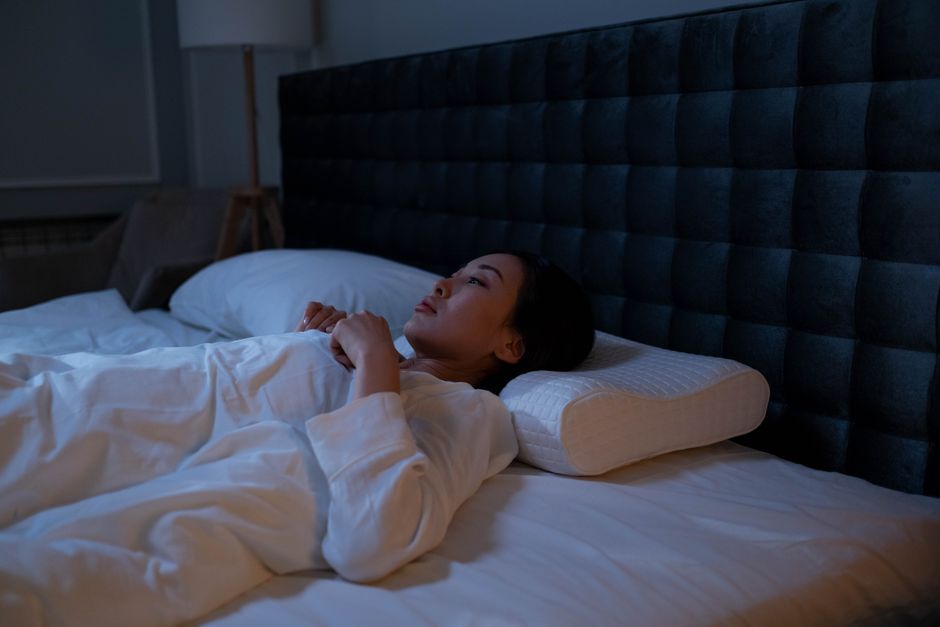
No, sleeping with a fan on cannot paralyze you. There is no medical evidence that fan use during sleep causes paralysis, nerve damage, or any loss of muscle function. The idea appears to come from a misunderstanding of a real condition called Bell’s palsy, which causes facial weakness and is sometimes blamed on cold air or drafts. That blame is not supported by the evidence.
Fans are common in bedrooms, especially in warm weather. They are also widely used to mask noise and improve airflow. The fear that a fan could leave you unable to move is not grounded in how the body works or in what clinical research shows.
Where Does the Fear of Fan Paralysis Come From?
The fear traces back to a real condition: Bell’s palsy. This is a sudden weakness or paralysis of the muscles on one side of the face. It can look alarming. One side of the mouth may droop, an eye may not close fully, and a person may struggle to smile or frown evenly.
Bell’s palsy happens when the facial nerve, which controls the muscles of facial expression, stops working properly. The exact cause is not fully understood. The leading theory involves inflammation of the nerve, often after a viral infection. The herpes simplex virus is the most commonly discussed trigger, though this is not settled for every case.
Cold air and drafts have long been blamed for Bell’s palsy in folk medicine. Some people also blame air conditioning, open windows, or sleeping near a fan. The problem is that this belief has not held up when researchers have looked at it. Studies have not found a reliable link between cold exposure and Bell’s palsy.
So the fan story is a case of a real condition being attached to a common household item. The condition is real. The fan connection is not.
Can Sleeping With A Fan On Paralyze You?
No. A fan moves air. It does not damage nerves, block blood flow to the brain, or switch off muscle control. Paralysis happens when something disrupts the pathway between the brain and muscles, such as a stroke, spinal cord injury, or a nerve disorder. Cool moving air does not do any of these things.
There is one important distinction. Bell’s palsy is sometimes described as facial paralysis, and the word “paralysis” can make it sound like the whole body is affected. It is not. Bell’s palsy affects the muscles of facial expression on one side. It does not cause paralysis of the arms, legs, or body.
Even in Bell’s palsy, the fan is not the cause. Most people with Bell’s palsy begin to recover within a few weeks, and many recover fully, though some have lasting weakness. That recovery pattern is about the nerve, not about bedroom temperature.
If you wake up with one-sided facial weakness, drooping, or trouble closing an eye, see a doctor promptly. Those symptoms can also be a sign of a stroke, which is a medical emergency. Getting checked quickly matters, and it has nothing to do with whether a fan was running.
Is Sleeping With a Fan Actually Bad for You?
For most healthy adults, sleeping with a fan is not harmful. The main issues are comfort and air quality, not paralysis.
Moving air can dry out your nose, mouth, and eyes. Some people wake with a dry throat or irritated eyes when a fan blows directly on their face all night. Pointing the fan away from your face, or using a gentle setting, usually helps.
A fan can also stir up dust. If you have allergies or asthma, a dusty fan blowing air across the room can make symptoms worse. Cleaning fan blades and filters regularly is a simple fix.
For infants, safety guidance is different and worth knowing. Current recommendations for reducing the risk of sudden infant death syndrome (SIDS) focus on placing babies on their backs to sleep, on a firm surface, without soft bedding. Some research has looked at fan use and room ventilation in infant sleep environments, but the evidence is not strong enough to make fan use a standard recommendation. The established guidance is about sleep position and a safe sleep surface. If you have questions about your baby’s sleep environment, ask your pediatrician.
For older adults or people with certain health conditions, a fan is generally fine, but very high heat is a separate concern. Fans can help with comfort, but in extreme heat they are not a substitute for cooling the room or seeking a cooler space. During heat waves, follow local public health guidance.





What Actually Causes Paralysis?
Paralysis has specific causes, and none of them involve a fan. Understanding them helps put the fear to rest.
Paralysis happens when the connection between the brain and muscles is disrupted. Common causes include:
- Stroke — when blood flow to part of the brain is blocked or a blood vessel bleeds, often causing weakness on one side of the body.
- Spinal cord injury — damage to the spinal cord from trauma, which can affect movement below the injury.
- Nerve disorders — conditions that damage peripheral nerves, such as Guillain-Barré syndrome.
- Neurological diseases — conditions such as multiple sclerosis that can affect nerve signaling.
- Severe infections or tumors — in some cases, these can press on or damage nerves.
Notice what is missing: cold air, drafts, and fans. Temperature and airflow are not on the list of causes. The body regulates its own temperature, and cool air on the skin does not reach deep enough to affect nerve function.
Does Cold Air Cause Bell’s Palsy?
The evidence does not support cold air as a cause of Bell’s palsy. This is one of those beliefs that has been repeated so often it feels true, but research has not confirmed it.
What researchers do think is that Bell’s palsy is linked to inflammation of the facial nerve, often after a viral infection. The herpes simplex virus is the most studied candidate. Some cases may have other triggers, and in many cases the exact cause is never identified.
Cold exposure has been studied as a possible trigger, and the results have not been consistent or convincing. Some people report that symptoms started after being in cold wind, but reports like that are not proof of cause. People get Bell’s palsy in warm weather and indoors too.
This matters because blaming a fan can delay the right response. If facial weakness appears, the priority is to get medical attention quickly, not to rearrange the bedroom.
How Can You Sleep Comfortably With a Fan Safely?
Comfort is the real goal here, and a few simple habits make fan use easier on the body.
- Aim the fan at a wall or ceiling so air circulates without blowing directly on your face.
- Use the lowest setting that keeps you comfortable.
- Keep the fan clean to reduce dust and allergens in the air.
- If you wake with dry eyes or a dry throat, try a humidifier or move the fan farther away.
- In very hot weather, use the fan alongside other cooling steps rather than relying on it alone.
If you have asthma, allergies, or another respiratory condition, pay attention to how a fan affects your symptoms. A clean fan on low is usually fine, but everyone is different. If symptoms worsen, adjust or talk to your doctor.
None of these steps are about preventing paralysis. They are about sleeping well and breathing comfortably. That is the honest reason to think about how you use a fan.
The Bottom Line on Fans and Paralysis
Sleeping with a fan on cannot paralyze you. The fear comes from a misunderstanding of Bell’s palsy, a facial nerve condition that has not been shown to be caused by cold air or drafts. Paralysis has specific causes, and moving air is not one of them.
Fans can dry out your air passages or stir up dust, so a little attention to placement and cleaning goes a long way. If you ever notice sudden facial weakness, drooping, or trouble speaking or moving, treat it as urgent and get medical help right away. That advice is about recognizing a real emergency, not about the fan on your nightstand.
Frequently Asked Questions
Can sleeping with a fan on paralyze you?
No. There is no medical evidence that a fan causes paralysis, and moving air does not damage nerves or block signals between the brain and muscles.
Can cold air from a fan cause Bell’s palsy?
The evidence does not support cold air as a cause of Bell’s palsy, which is thought to involve nerve inflammation often after a viral infection. Blaming a fan is not supported by research.
Is it bad to sleep with a fan blowing on your face?
It is not dangerous, but it can dry out your eyes, nose, and throat and stir up dust. Pointing the fan away from your face usually solves this.
What should you do if you wake up with facial paralysis?
See a doctor right away, because sudden facial weakness can be Bell’s palsy or a sign of a stroke, which is an emergency. Quick medical care matters more than anything about your fan.
